
Pilates Workout at Home: Full Routine for Strength and Tone
If you’re looking for a quick Pilates workout that strengthens your core, tones your legs, and improves balance, these exercises are a great place to start. They target your abs, hips, and glutes. I have been taking Pilates classes for 8 years, and these are some great exercises I have learned throughout the years for those looking to improve posture, overall body alignment, and overall health.
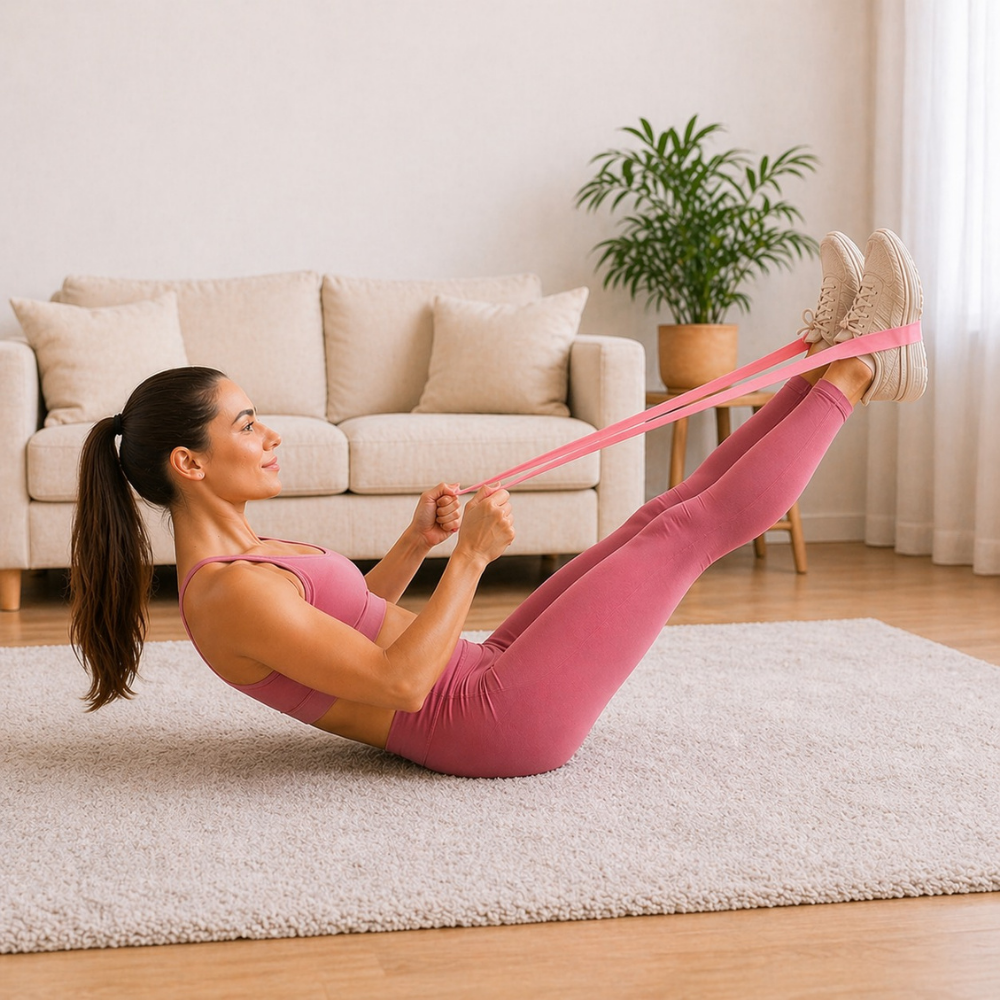
Full Body Pilates Workout at Home Routine
Hundred With Resistance Band
The Pilates Hundred is one of the most recognizable Pilates exercises, known for warming up the body while activating the deep abdominal muscles. Adding a resistance band increases the challenge for your core and legs.
How to Do the Exercise
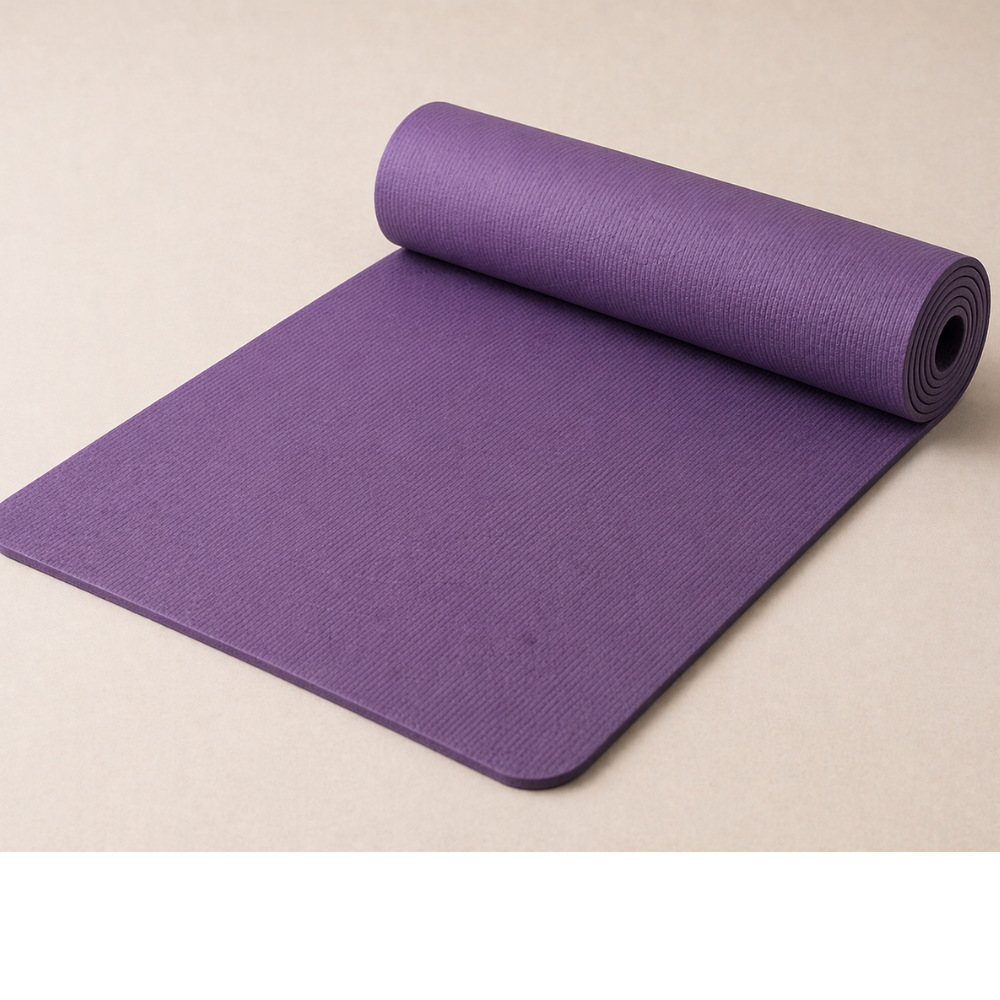
Lie on your back on a mat.
Place your feet in the loops of the resistance band.
Hold the ends of the band firmly in both hands.
Lift your legs to about a 45-degree angle.
Raise your head, neck, and shoulders off the mat.
Extend your arms forward, keeping tension in the band.
Begin pumping your arms up and down in small, controlled movements.
Inhale for 5 arm pumps, then exhale for 5 pumps.
Continue until you reach 100 pumps.
Sets and Repetitions
Beginner: 1 set of 50 pumps
Intermediate: 1 set of 100 pumps
Advanced: 2 sets of 100 pumps
For beginners:
If you are just starting, keep your head down, if your neck is uncomfortable, and bend your knees slightly if keeping your legs straight feels too hard. Focus on your breathing and move at a steady pace, rather than trying to go fast.
For advanced:
If you want a greater challenge, lower your legs closer to the floor and hold the band tighter ,to add more resistance. Keep your legs fully extended with your toes pointed to make the exercise more demanding and to engage your muscles more deeply.
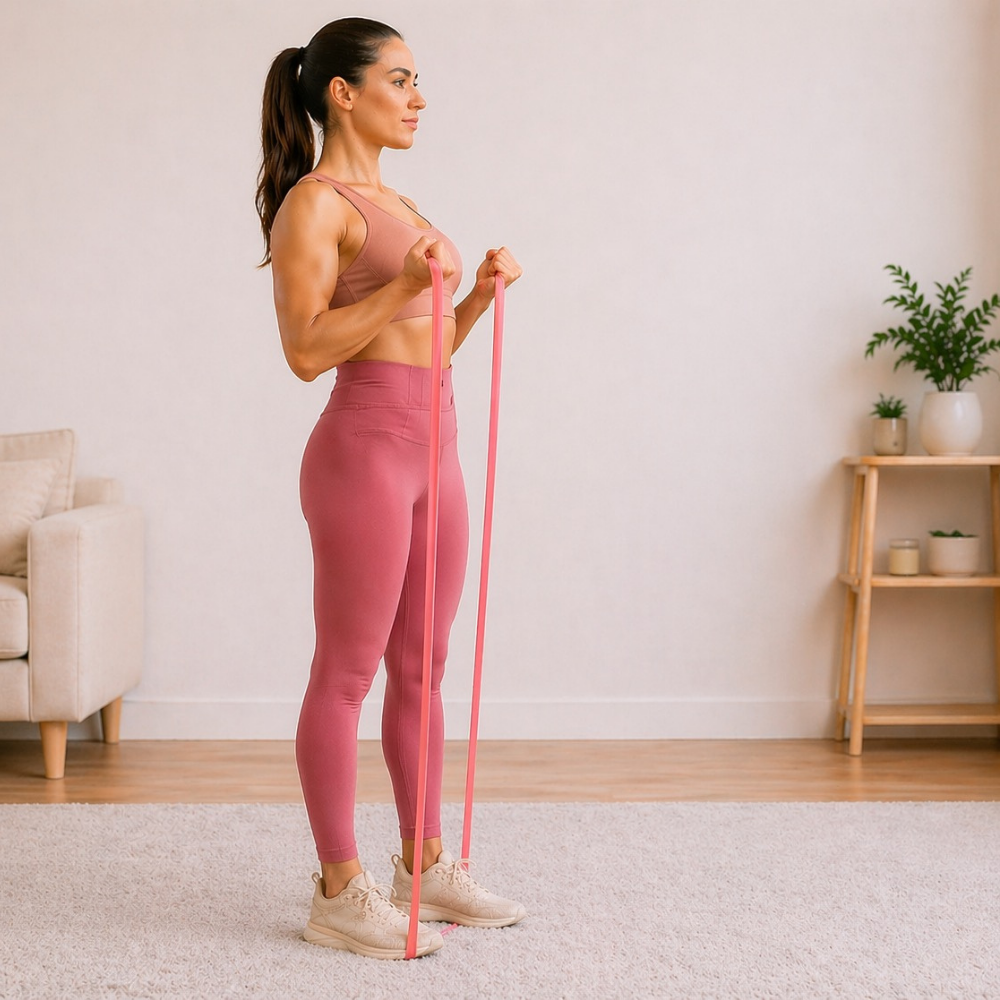
Resistance Band Bicep Curl
The Resistance Band Bicep Curl is a simple but effective way to strengthen your arms while maintaining proper posture and core engagement.
How to Do the Exercise
Stand with your feet hip-width apart.
Step on the center of a resistance band.
Hold the handles (or ends) of the band in each hand.
Keep your arms straight at your sides with palms facing forward.
Engage your core and keep your shoulders relaxed.
Slowly bend your elbows, curling your hands toward your shoulders.
Pause briefly at the top.
Lower your arms back down slowly with control.
Sets and Repetitions
Beginner: 2 sets of 10-12 reps
Intermediate: 3 sets of 12-15 reps
Advanced: 3 sets of 15-20 reps
For beginners:
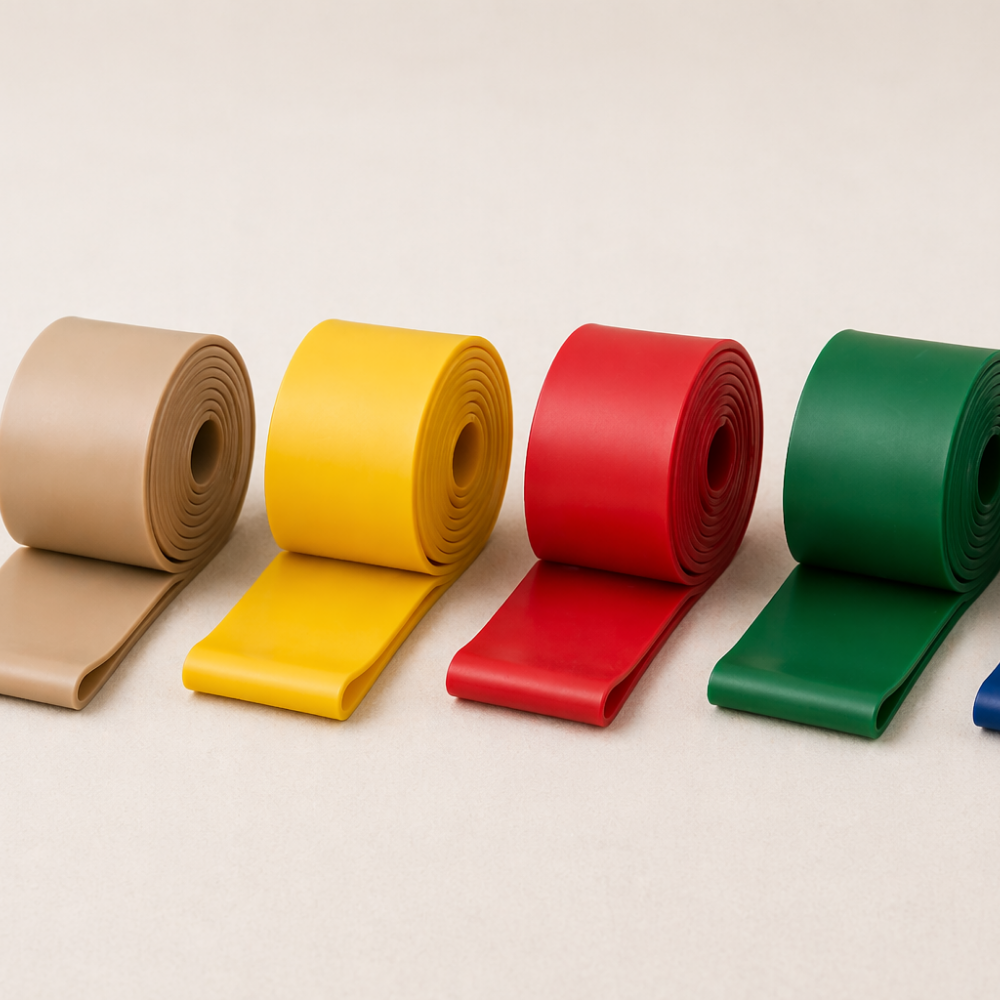
Use a light resistance band so the movement feels manageable. Keep your elbows close to your sides to maintain proper form, and move slowly so you stay in control of the exercise.
For advanced:
Use a heavier resistance band to increase resistance. Add a 2-3 second hold at the top of each curl to keep your muscles working longer. You can also perform alternating arm curls to increase the time your muscles stay under tension.
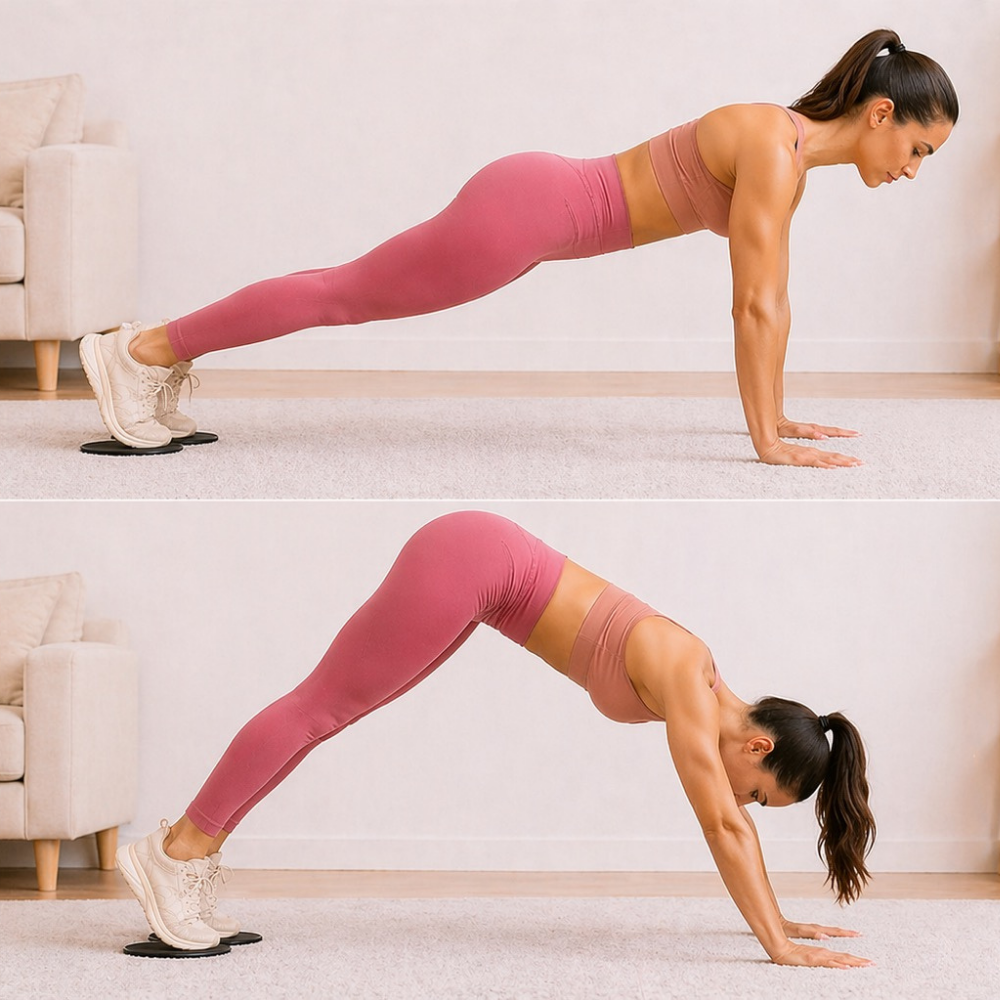
Plank to Pike With Gliders
The Plank to Pike strengthens the abdominals, shoulders, and hip flexors while improving balance and control. Adding sliders increases the intensity and requires more core stability.
How to Do the Exercise
Begin in a high plank position with your hands under your shoulders.
Place gliders under your feet.
Keep your body in a straight line from head to heels.
Engage your core and slowly slide your feet toward your hands.
Lift your hips upward into a pike position, forming an inverted “V” shape.
Pause briefly at the top.
Slowly slide your feet back to the starting plank position.
Maintain control throughout the entire movement.
Sets and Repetitions
Beginner: 1 set of 6-8 reps
Intermediate: 2 sets of 10 reps
Advanced: 3 sets of 12 reps
For beginners:
Bend your knees slightly if lifting into a full pike feels too difficult. You can also practice holding a plank without sliding first to build strength and confidence before adding the full movement.
For advanced:
Keep your legs fully straight throughout the movement to engage your core more deeply. Add a 2-second hold at the top of the pike to build strength and control. You can also increase the number of reps.
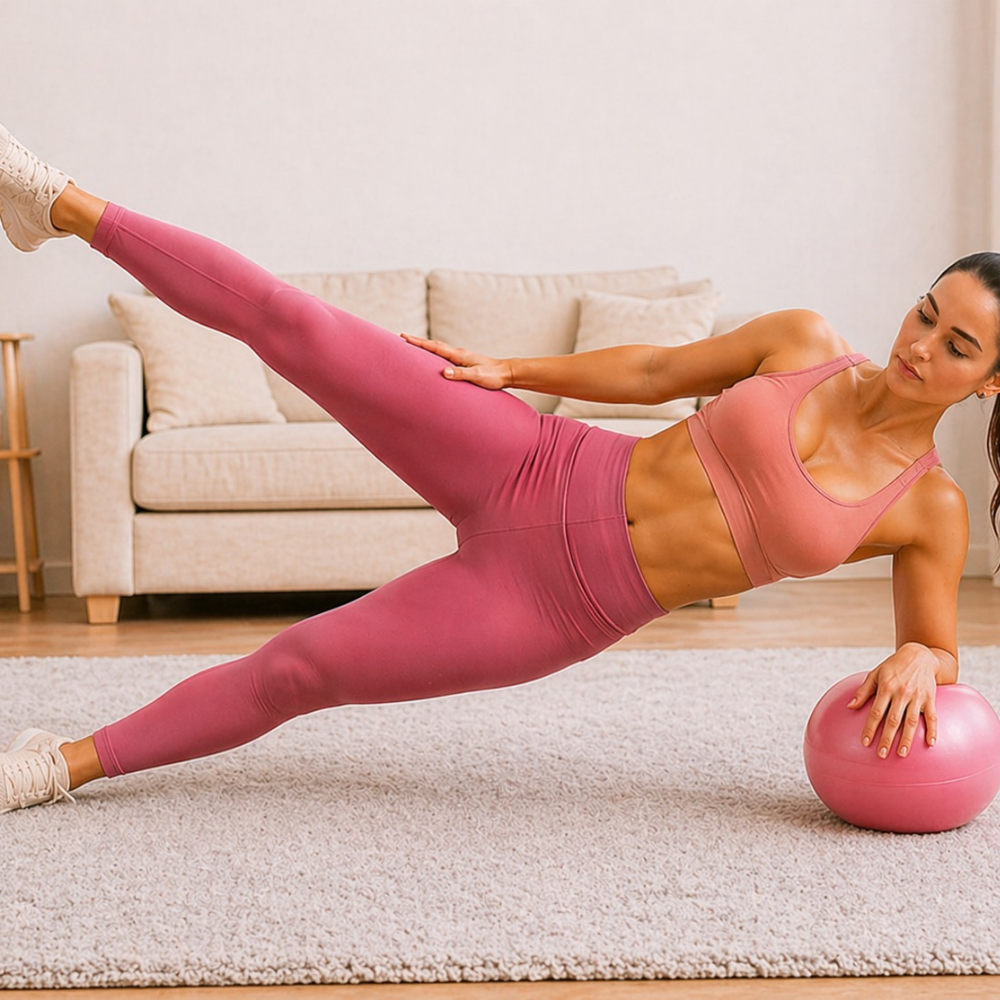
Side Plank Leg Lift With Pilates Ball
The Side Plank Leg Lift combines core stability with hip strength, making it one of the most effective full-body Pilates moves.
How to Do the Exercise
Lie on your side with your forearm under your shoulder.
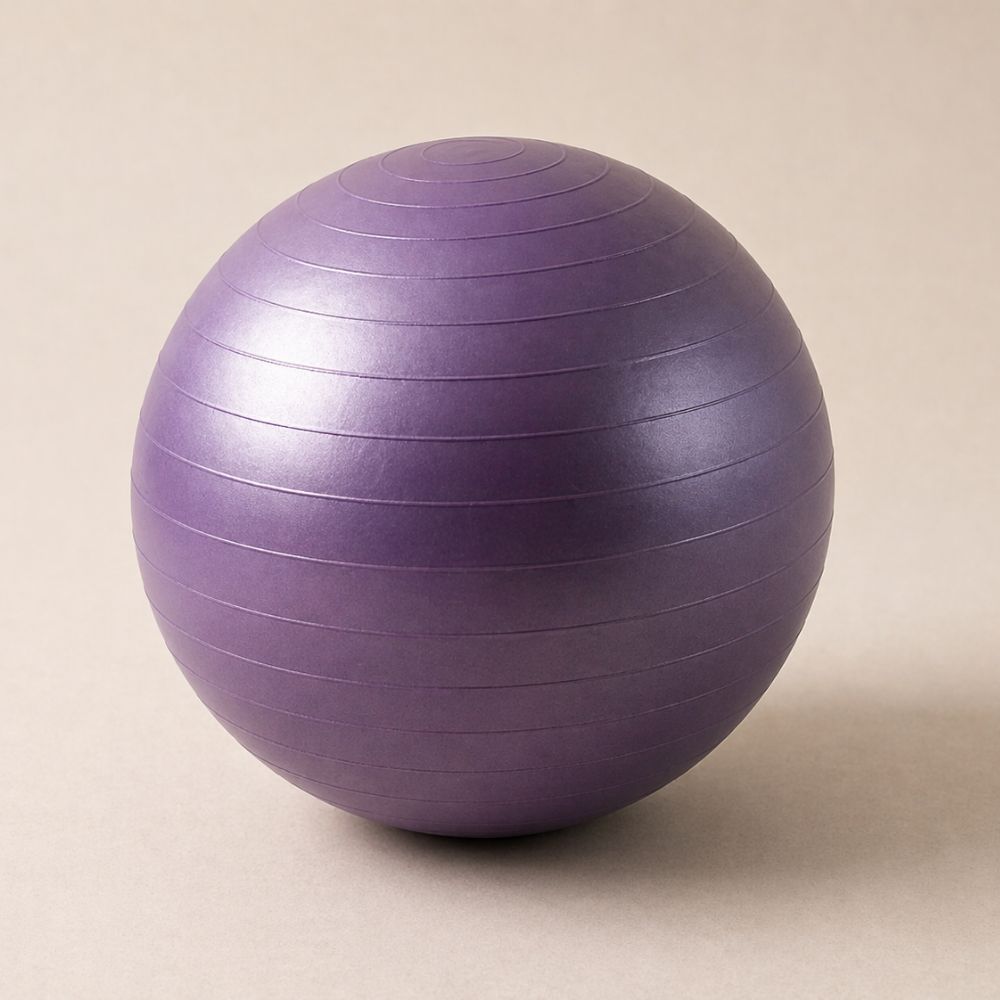
Place a small Pilates ball or a small BOSU ball under your supporting hand.
Stack your legs and lift your hips into a side plank.
Keep your body in a straight line.
Lift your top leg slowly upward.
Lower it back down with control.
Maintain balance throughout the movement.
Repeat, then switch sides.
Sets and Repetitions
Beginner: 1 set of 8 reps per side (no ball)
Intermediate: 2 sets of 12 reps per side
Advanced: 2 sets of 15–20 reps per side
For beginners:
If using the ball feels too difficult, do the side plank with your bottom knee bent to make the exercise easier. You can also skip the ball entirely and focus on your balance first. Keep your attention on holding your hips lifted so your body stays strong and stable throughout the movement.
For advanced:
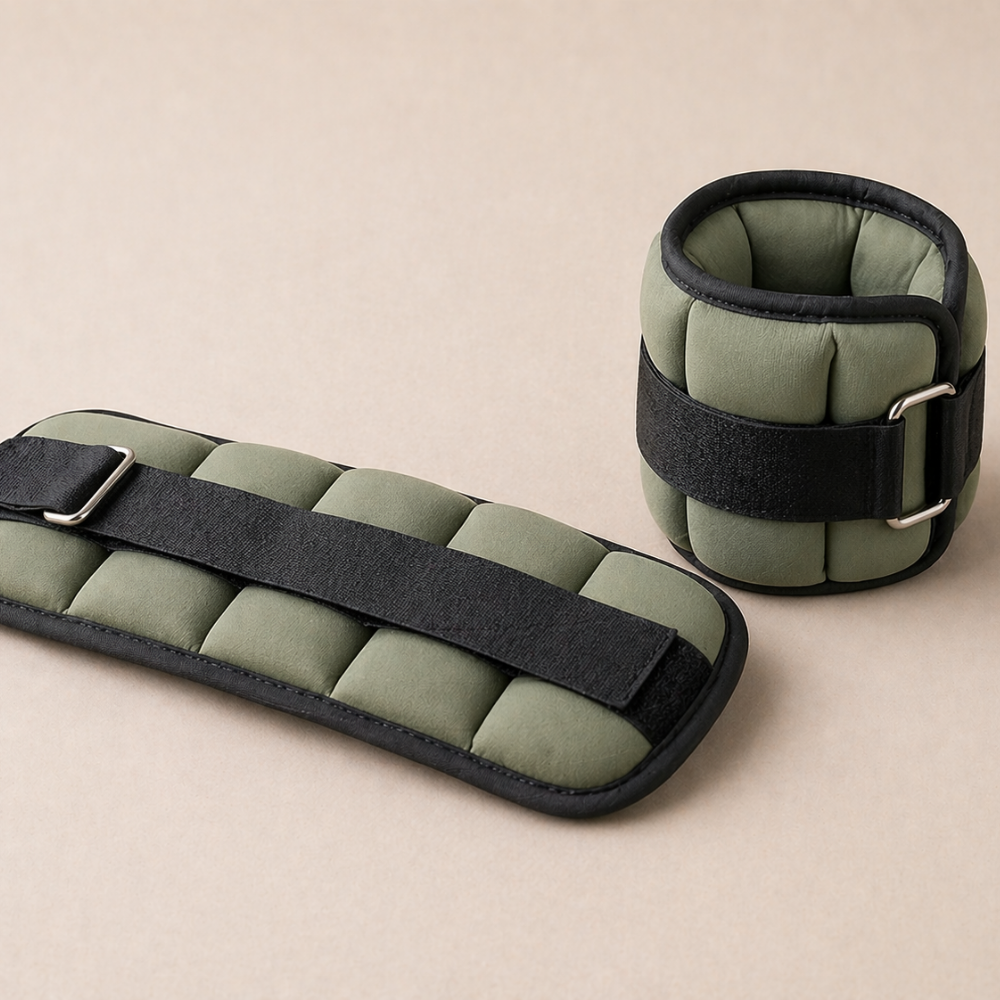
Add ankle weights to increase resistance. Hold your leg at the top of each lift for 2 seconds, and do small pulses at the top to increase intensity and keep your muscles fully engaged.
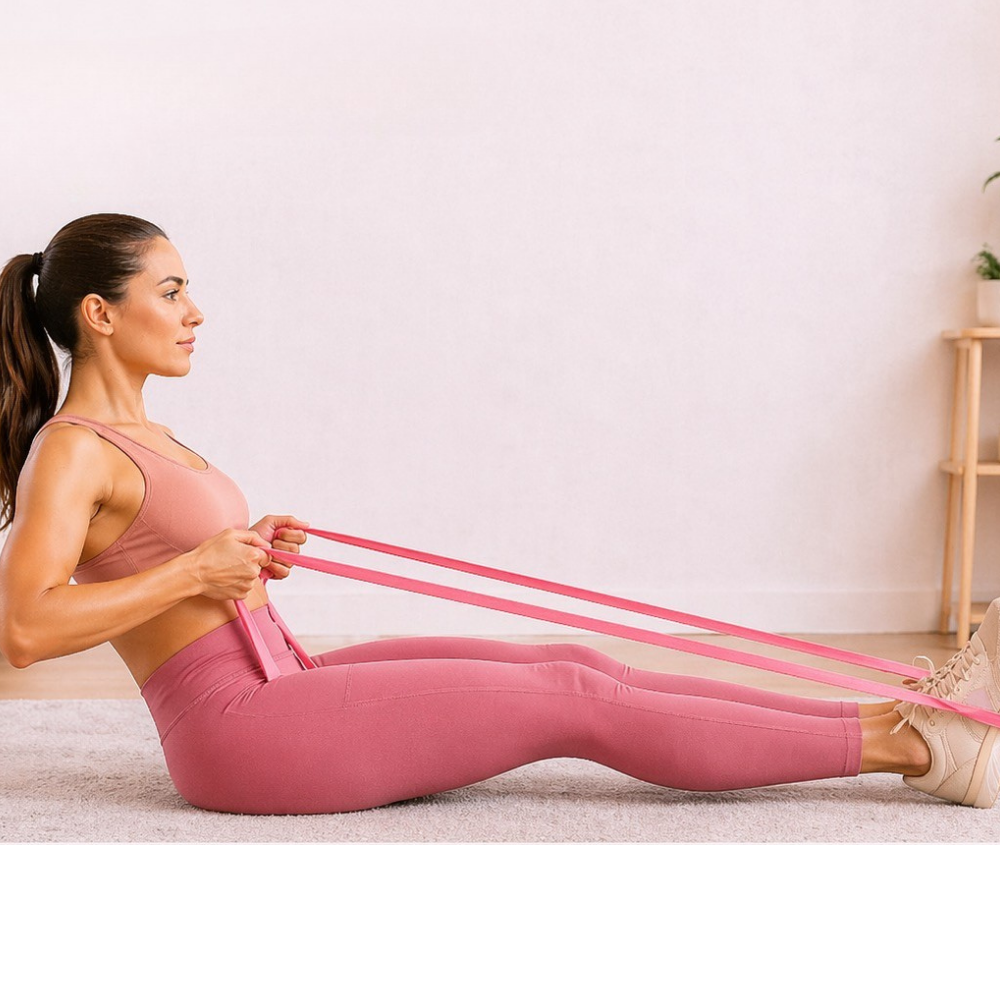
Seated Row With Resistance Band
The Seated Row With a Band is a fantastic move to add to your pilates at home workout. It targets the upper back, shoulders, and arms. It’s especially helpful for improving posture, particularly if you spend long hours sitting at a desk.
How to Do the Exercise
Sit on the floor with your legs extended straight in front of you.
Loop the resistance band around the soles of your feet.
Hold one end of the band in each hand.
Sit tall with your spine straight and shoulders relaxed.
Extend your arms forward to create gentle tension in the band.
Pull the band toward your torso by bending your elbows.
Keep your elbows close to your sides as you pull.
Squeeze your shoulder blades together at the back.
Slowly extend your arms back to the starting position.
Repeat with controlled movement.
Sets and Repetitions
Beginner: 2 sets of 10 reps
Intermediate: 3 sets of 12 reps
Advanced: 3 sets of 15 reps
For beginners:
You can sit with your legs slightly bent if your hamstrings feel tight to make the position more comfortable. Keep your chest lifted and don't round your back.
For advanced:
Hold the row position for 2-3 seconds before releasing. Use a stronger resistance band to add more resistance.
Resistance Band Leg Kickbacks
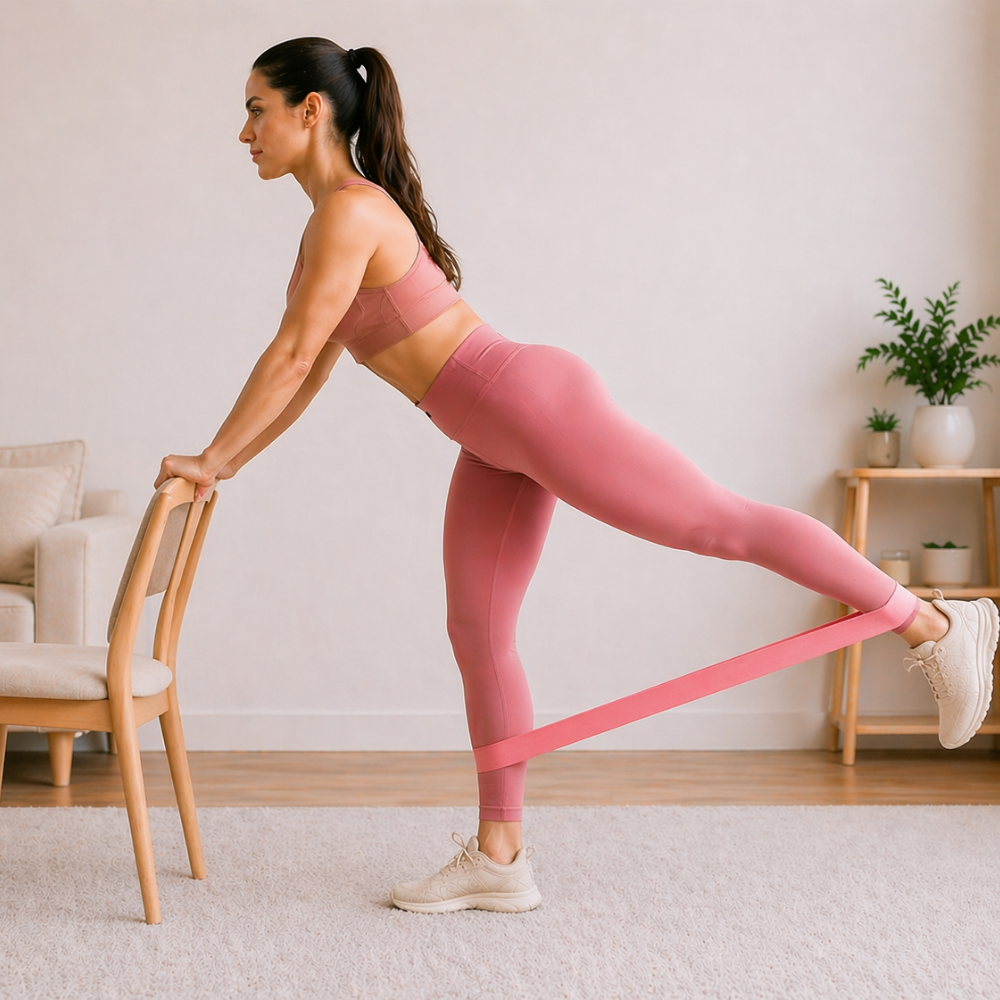
Leg Kickbacks With a Band are excellent for strengthening and improving lower-body stability. This move targets your glutes and hamstrings.
How to Do the Exercise
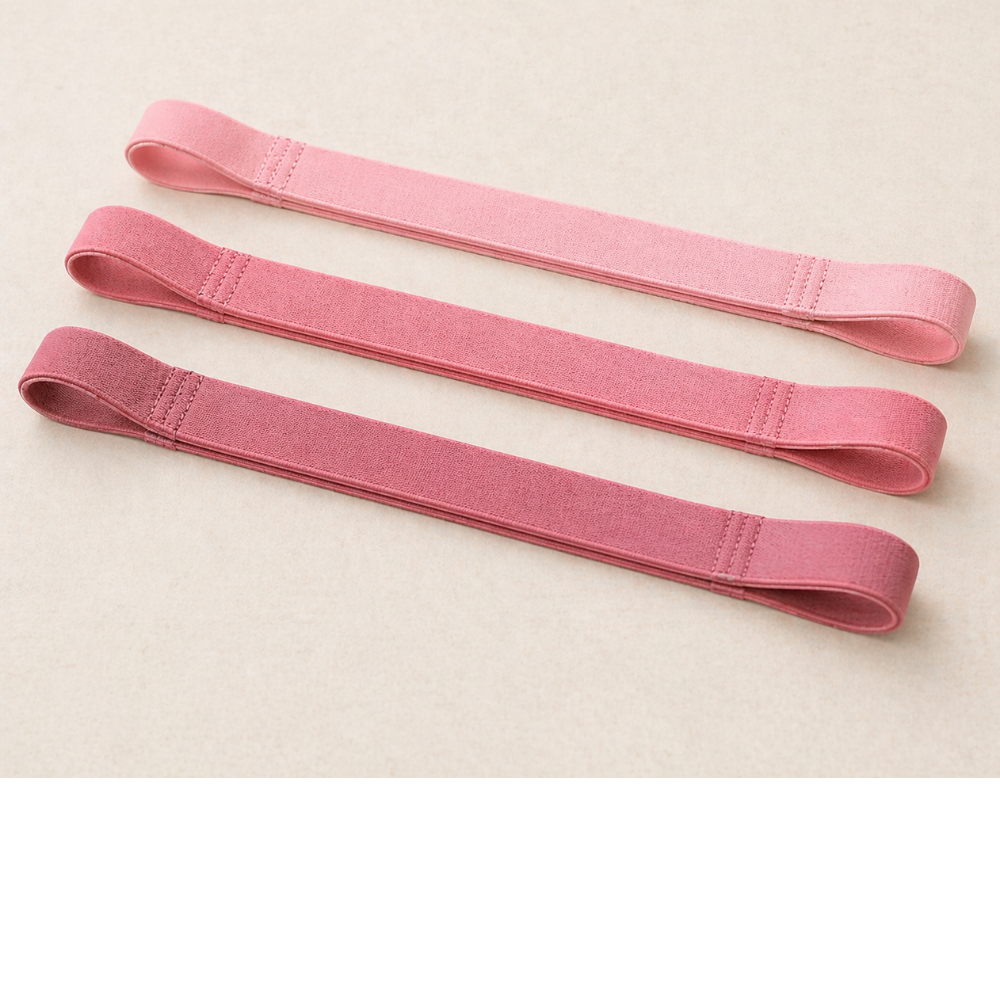
Place a resistance band around your ankles.
Stand tall with your feet hip-width apart.
Hold onto a chair or wall for balance if needed.
Shift your weight onto one leg.
Extend the opposite leg straight behind you.
Keep your core engaged and your torso upright.
Lift your leg backward against the resistance.
Pause briefly at the top of the movement.
Slowly return your leg to your starting position.
Repeat, then switch sides.
Sets and Repetitions
Beginner: 1-2 sets of 10 reps per leg
Intermediate: 2 sets of 12 reps per leg
Advanced: 3 sets of 15 reps per leg
For beginners:
Keep your hips square and avoid leaning forward to properly engage your muscles. Use a light resistance band to make the exercise more manageable while you build strength.
For advanced:
Add 3-5 small pulses after each repetition and use a heavier resistance band to increase resistance and intensity.
Side Leg Lifts With Resistance Band
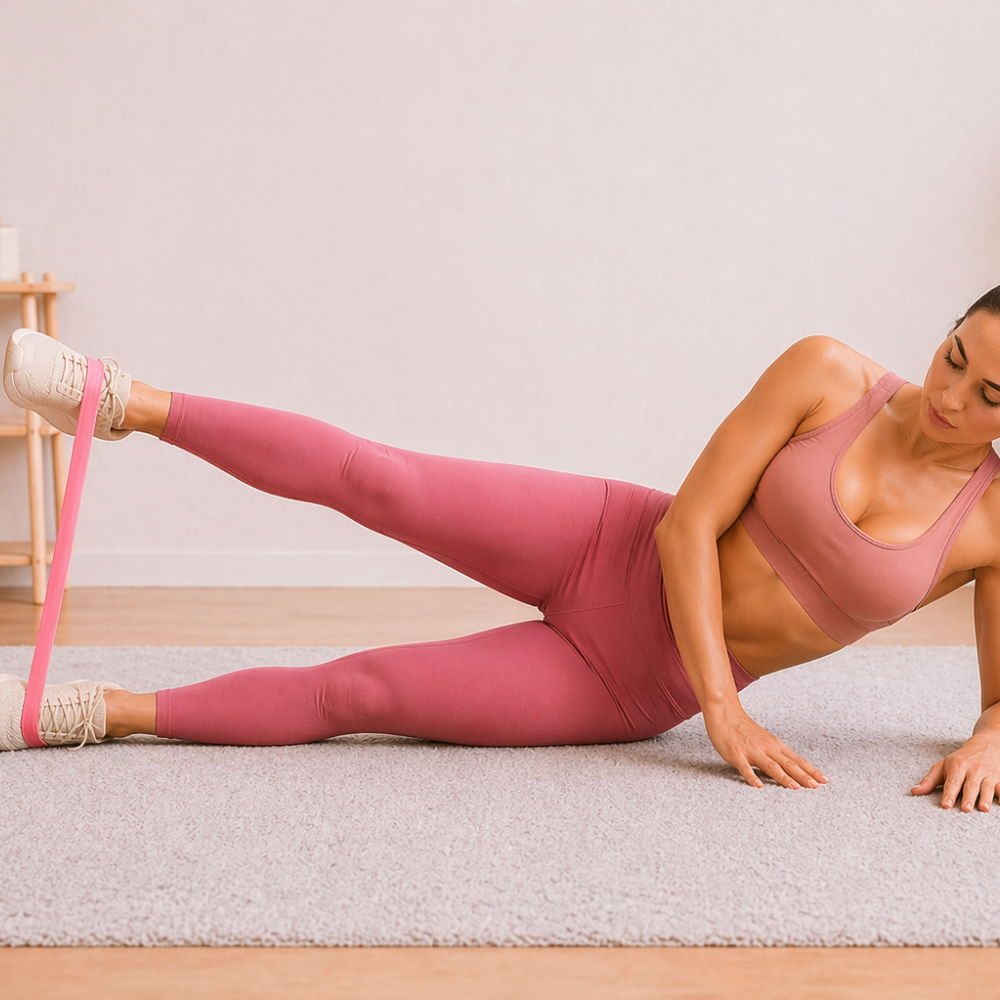
The Side Leg Lift is excellent for strengthening the outer thighs and glutes while improving hip stability.
How to Do the Exercise
Lie on your side with your legs stacked.
Loop the resistance band around your legs, positioned just above your ankles.
Support your head with your bottom arm.
Keep your body in a straight line from head to heels, engaging your core for stability.
Slowly lift your top leg upward against the resistance.
Pause briefly at the top.
Lower your leg slowly with control.
Repeat, then switch sides.
Sets and Repetitions
Beginner: 1 set of 10-12 reps per side
Intermediate: 1 set of 15 reps per side
Advanced: 2 sets of 20 reps per side
For beginners:
Keep your movements slow and controlled, and use a lighter resistance band so you can focus on proper form. The goal is to build strength gradually.
For advanced:
Pulse twice at the top of each lift to increase muscle engagement. Use a heavier resistance band to add more resistance and intensity.
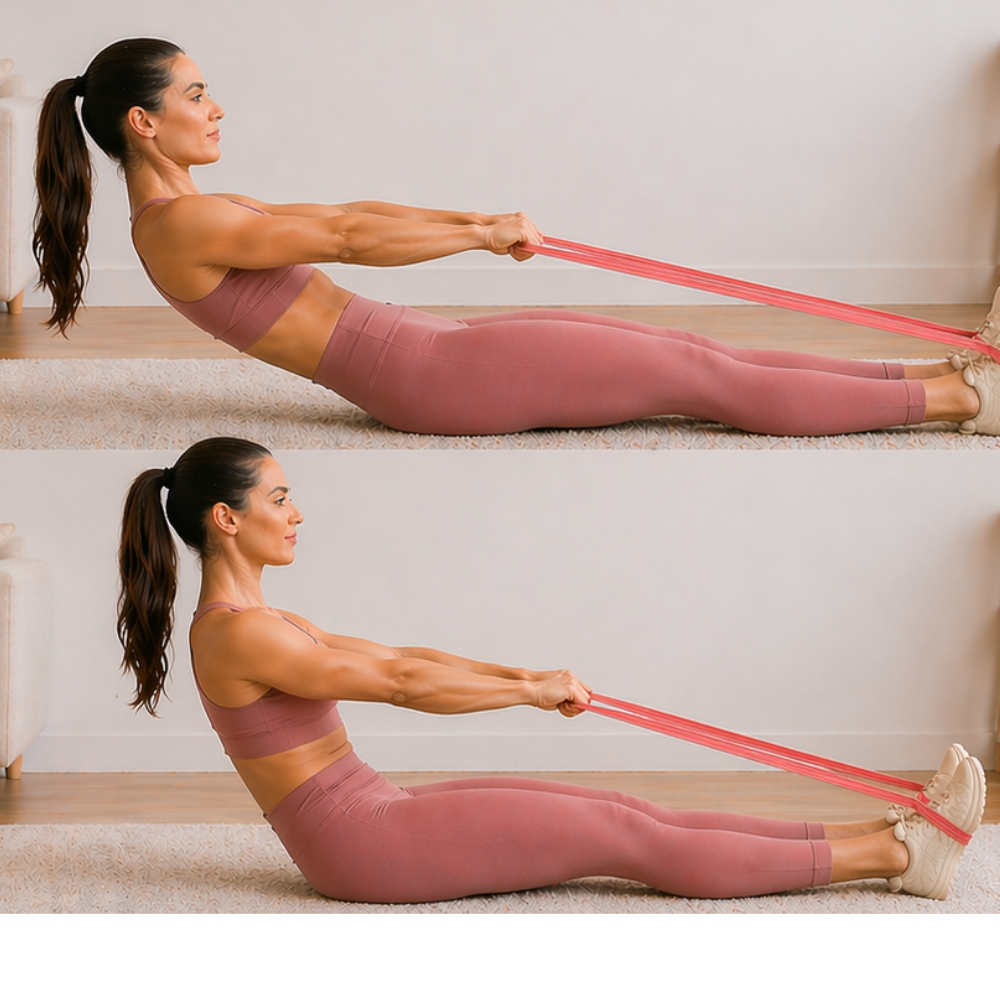
Pilates Band Roll Up
The Band Roll Up is a classic Pilates-style core exercise that strengthens the abdominals while improving spinal flexibility.
How to Do the Exercise
Lie flat on your back on a mat with your legs extended straight.
Place your feet in the loops of the resistance band.
Hold one end of the band in each hand.
Extend your arms overhead or straight toward your feet.
Inhale to prepare, engaging your core muscles.
As you exhale, slowly lift your head and shoulders off the mat.
Continue rolling your spine upward one vertebra at a time.
Use the band gently to assist as you reach toward your toes.
Pause briefly at the top in a seated position.
Slowly roll back down to the mat with control.
Repeat the movement smoothly.
Sets and Repetitions
Beginner: 2 sets of 8 reps
Intermediate: 3 sets of 10 reps
Advanced: 3 sets of 12 reps
For beginners:
Focus on rolling up slowly and with control rather than using momentum.
For advanced:
Keep your legs fully straight throughout the movement.
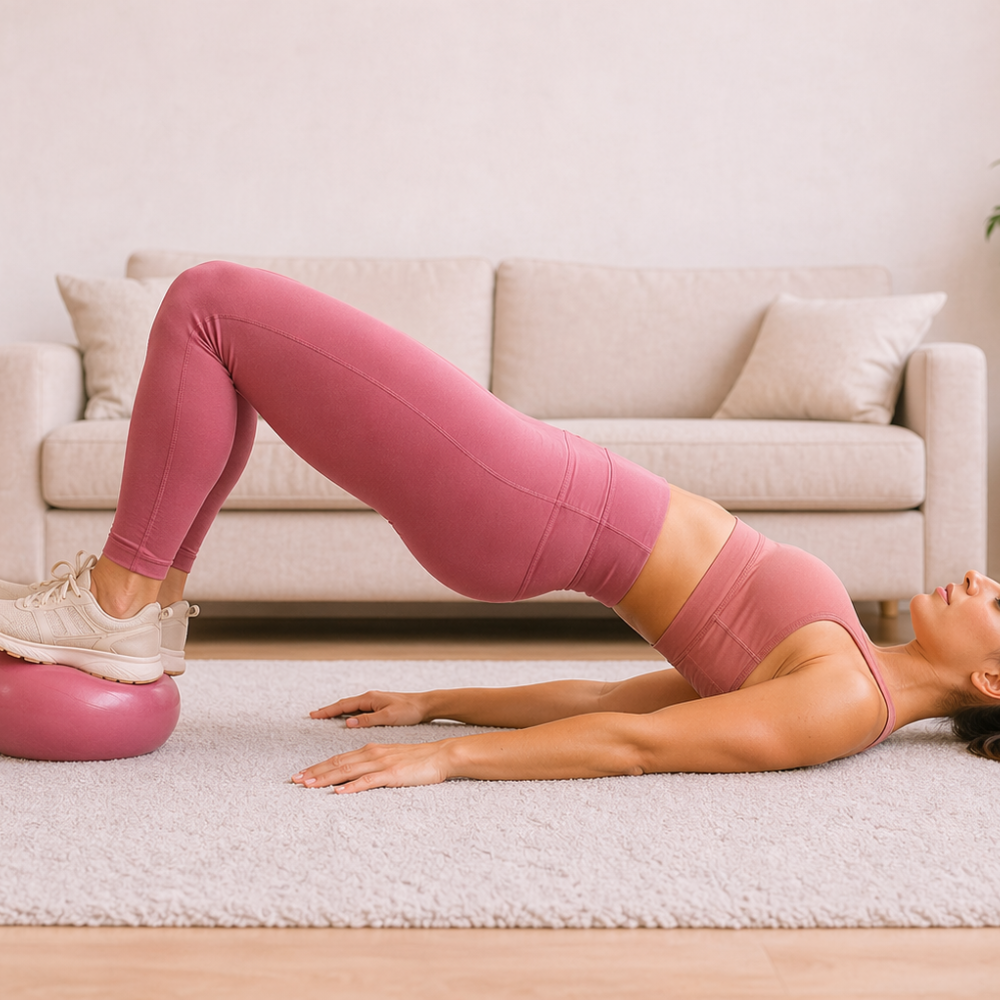


Ab workout to strengthen your core, sculpt your waist, and tone lower abs. Includes beginner to advanced at-home variations with bands, weights, or no equipment.