
How to Make Lemon Balm Tea: Benefits and Recipes
I’ve been hearing about and using lemon balm on and off for years. It is a very familiar herb in my family since it was another of my grandma’s staples. She used to have a big round stone planter on the terrace where she would grow lemon balm or, as she used to call it in Spanish, toronjil.
Known scientifically as Melissa officinalis, this gentle lemon-scented herb is quite popular among the natural herbs community. The lemon balm plant surprisingly comes from the mint family, but it does have a light citrus aroma, hence the name “lemon balm,” and it’s quite easy to grow.
It has been used since Greek and Roman times to aid digestion and emotional balance. Herbalists often refer to it as a “calming nervine,” meaning it helps soothe the nervous system naturally.
You can use it to make tea, cook with it, add it to salads, and use it in natural beauty recipes designed to cleanse or help soothe irritated skin. And as many of us rediscover natural remedies and herbs to help us feel and look our best from the inside out, today we’re sharing everything you need to know about lemon balm.
I’ll also cover the potential benefits of lemon balm in tea, how and when to drink it, and how it compares to other herbal tea recipes you may already be familiar with. Whether you’re new to lemon balm or already familiar with it, this is everything you need to know.
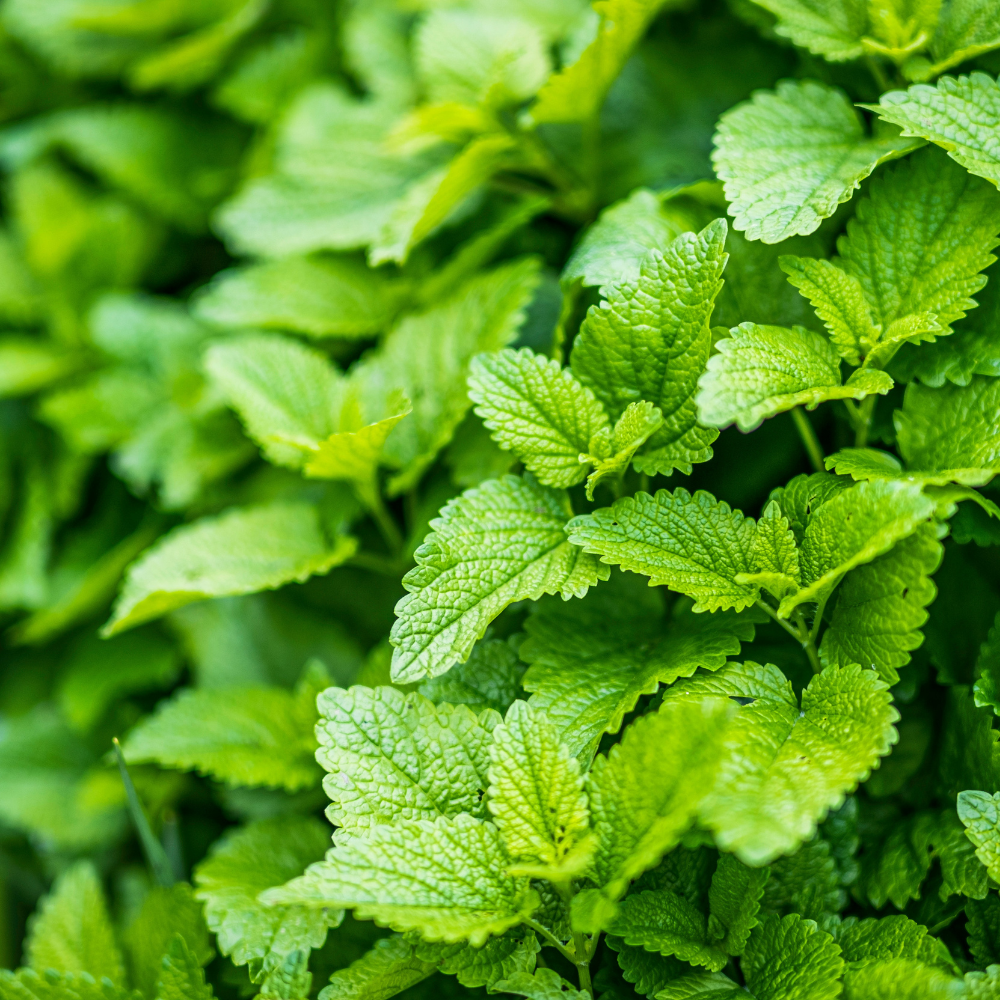
What Are Lemon Balm Benefits?
One of the best health benefits of lemon balm is its ability to calm the nervous system. It is often used to help reduce feelings of stress, mental fatigue, and anxiety. My grandma used to say that one of the benefits of lemon balm tea is that it works wonders when you feel overwhelmed or on the verge of emotional exhaustion. It helps bring emotional equilibrium.
Many people often describe it as a plant that “lifts the mood while calming the mind,” which is why it is often used during periods of emotional overwhelm.
And as part of the equilibrium it brings, it is not only mental but also physical. Lemon balm is also known for its mild antispasmodic properties, meaning it may help relax tight or tense muscles.
It has traditionally been used to alleviate headaches, menstrual discomfort, and general body tension, and, of course, to aid digestion.
Have you noticed that when you are stressed, feeling jumpy, or experiencing body discomfort, you are more likely to have digestive problems? Because stress and digestion are closely linked, lemon balm’s calming effect on the nervous system may also indirectly support gut comfort.
Well, lemon balm also helps support digestion by relaxing muscles, including stomach muscles.
Drink a cup of lemon balm tea after your meal or an hour before to help with bloating, indigestion, gas, or a nervous stomach.
And with a calmer body, digestive system, nervous system, and mind, of course, comes better sleep, another well-known benefit of lemon balm.
Yes, the most well-known lemon balm tea benefit of all is that traditionally, lemon balm has also been used during cold and flu season for its antiviral and antioxidant properties. My grandma used to make us tea with lemon balm, honey, and lime juice to soothe sore throats and cold-related congestion.
I have also learned from people who have used lemon balm topically for skin health, crushing the leaves and adding them to homemade beauty toners or DIY scrubs to help reduce irritation and redness and soothe inflamed skin.
What You’ll Need for Your Lemon Balm Tea Recipe
Lemon Balm Tea Ingredients
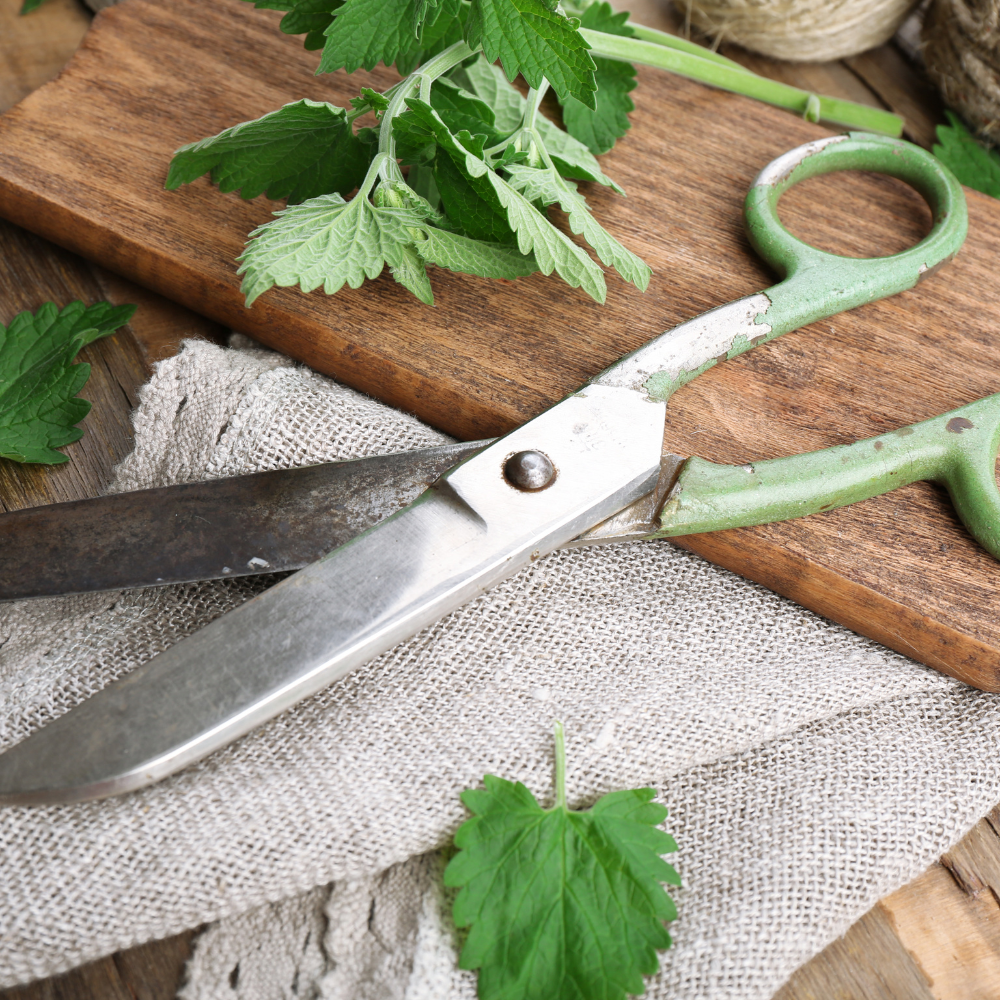
Lemon balm leaves: Lemon balm tea is one of the best herbal infusions you can make at home, and it can be prepared with either fresh or dried leaves, depending on the season and what you have on hand.
In spring and summer, use fresh lemon balm leaves straight from the plant, about 5 to 6 fresh leaves or one sprig per cup.
In the winter, when fresh herbs are less available, switch to dried lemon balm. We use this loose-leaf lemon balm tea or these lemon balm tea bags.
Drying Lemon Balm Leaves for Tea
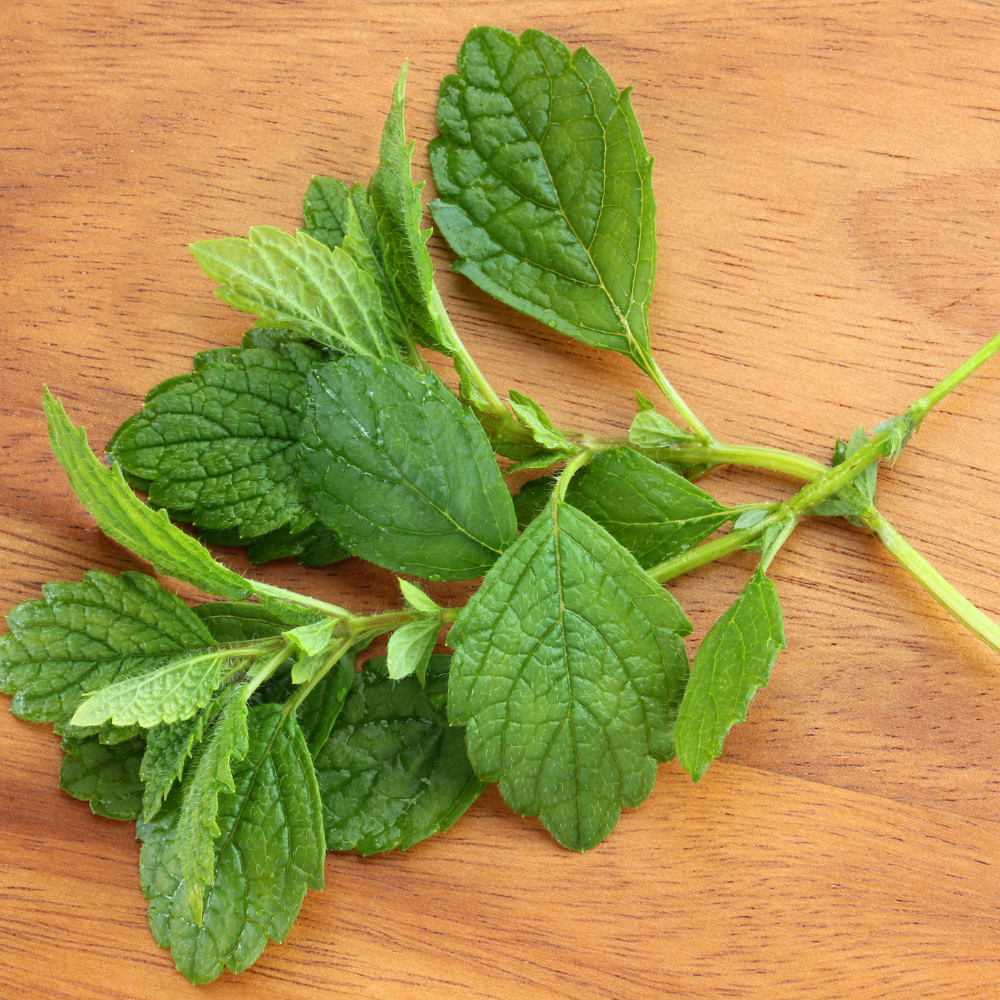
If you want to dry some of your fresh Lemon balm leaves to enjoy later in the year, drying lemon balm for tea is very simple and a great way to preserve the herb for the colder months.
Start by gently washing the fresh leaves and patting them completely dry.
Place the leaves in a single layer on a clean kitchen towel, drying rack, or baking sheet, and leave them in a cool, dry place away from direct sunlight. Let them air dry for several days until the leaves feel crisp and crumble easily between your fingers.
Once fully dried, store the leaves in an airtight jar or container away from heat and moisture. You can then use them throughout the winter to make homemade lemon balm tea.
How to Make Lemon Balm Tea (Warm or Iced)
Heat the Water
Bring your water to a boil, then remove from heat and let it sit for about 1 minute to slightly cool before pouring it over the herbs.
Wash and Prepare the Leaves
While the water is cooling, gently wash the lemon balm leaves to remove any dust or residue. Pat them dry lightly.
Then, lightly crush the leaves between your hands to release their natural oils and aroma. My grandma used to gently crush them; you can do the same, or simply roll them between your palms to awaken the citrus scent.
Steep the Lemon Balm
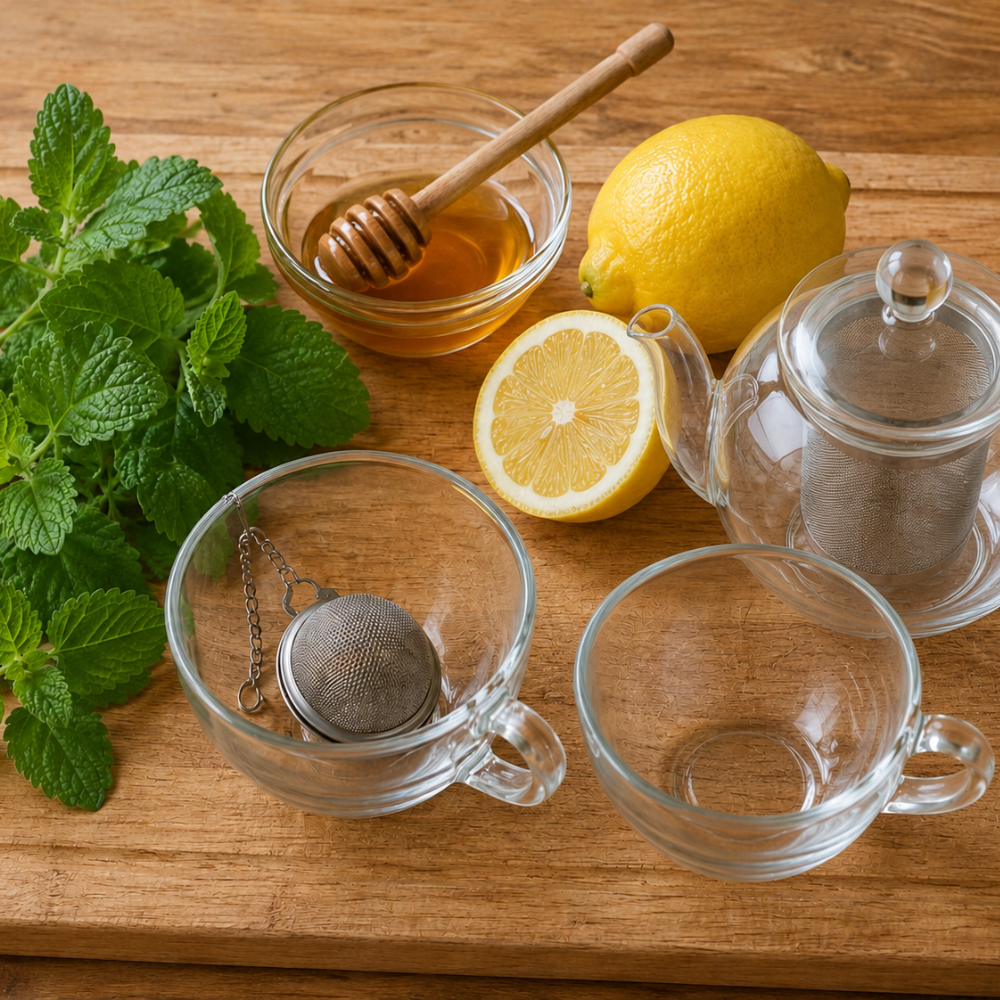
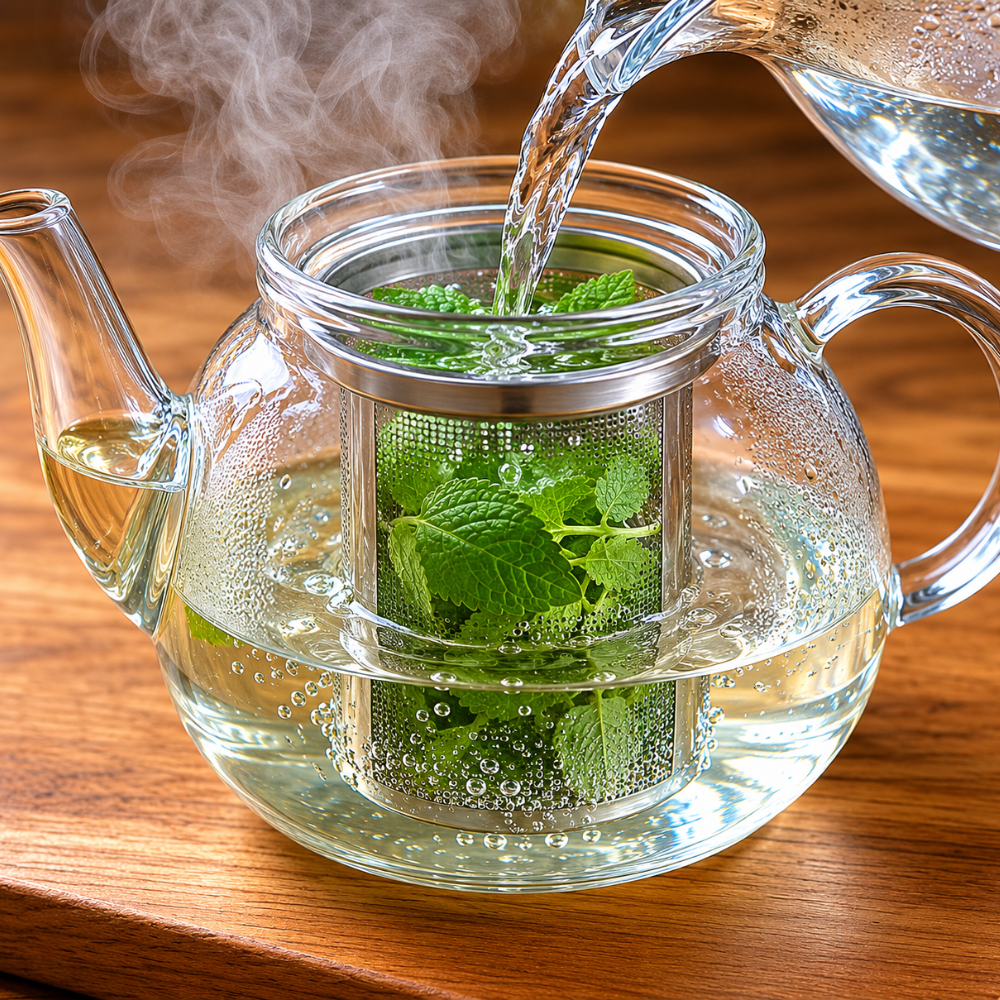
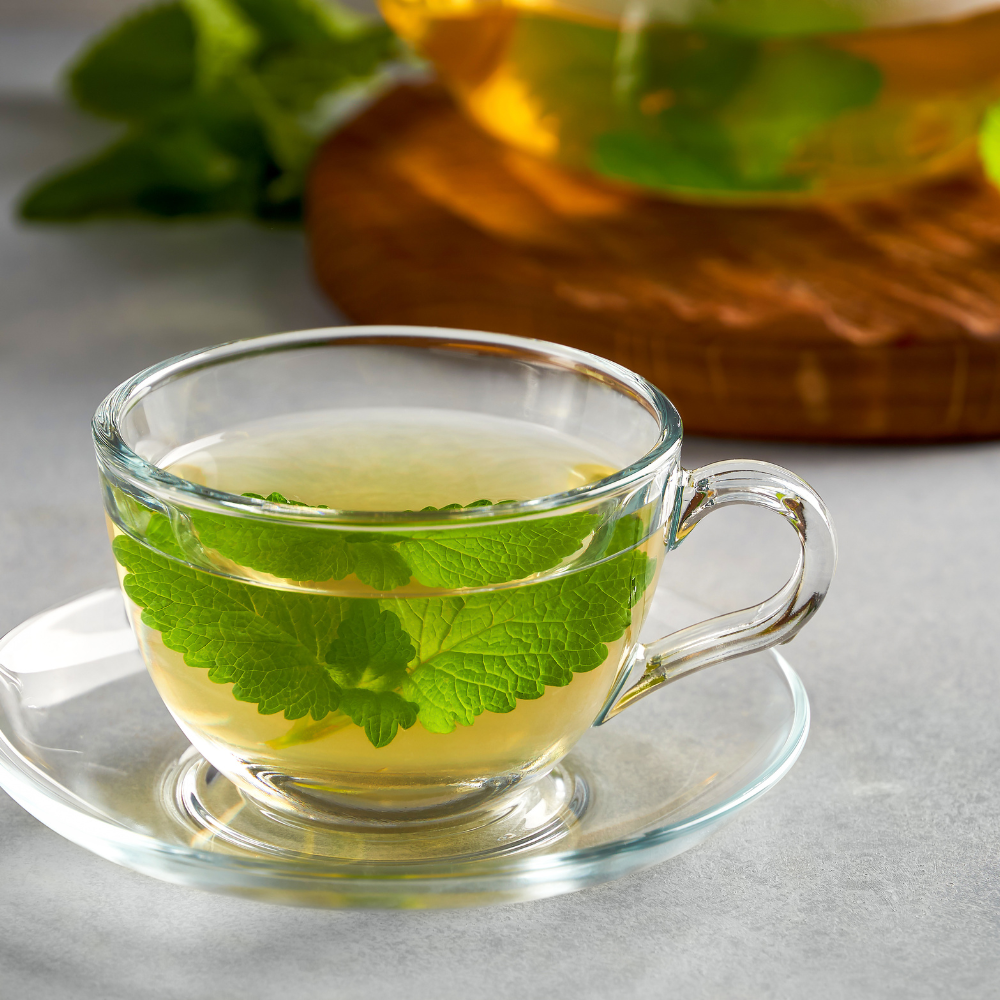
Place the crushed fresh leaves, dried lemon balm loose leaves, or tea bag into a mug or heat-safe teapot. We use this teapot that comes with removable infuser. Pour the hot water over the leaves, making sure they are fully submerged.
Cover and let it steep for 5-7 minutes. My grandma would avoid boiling the leaves directly.
Strain the Tea
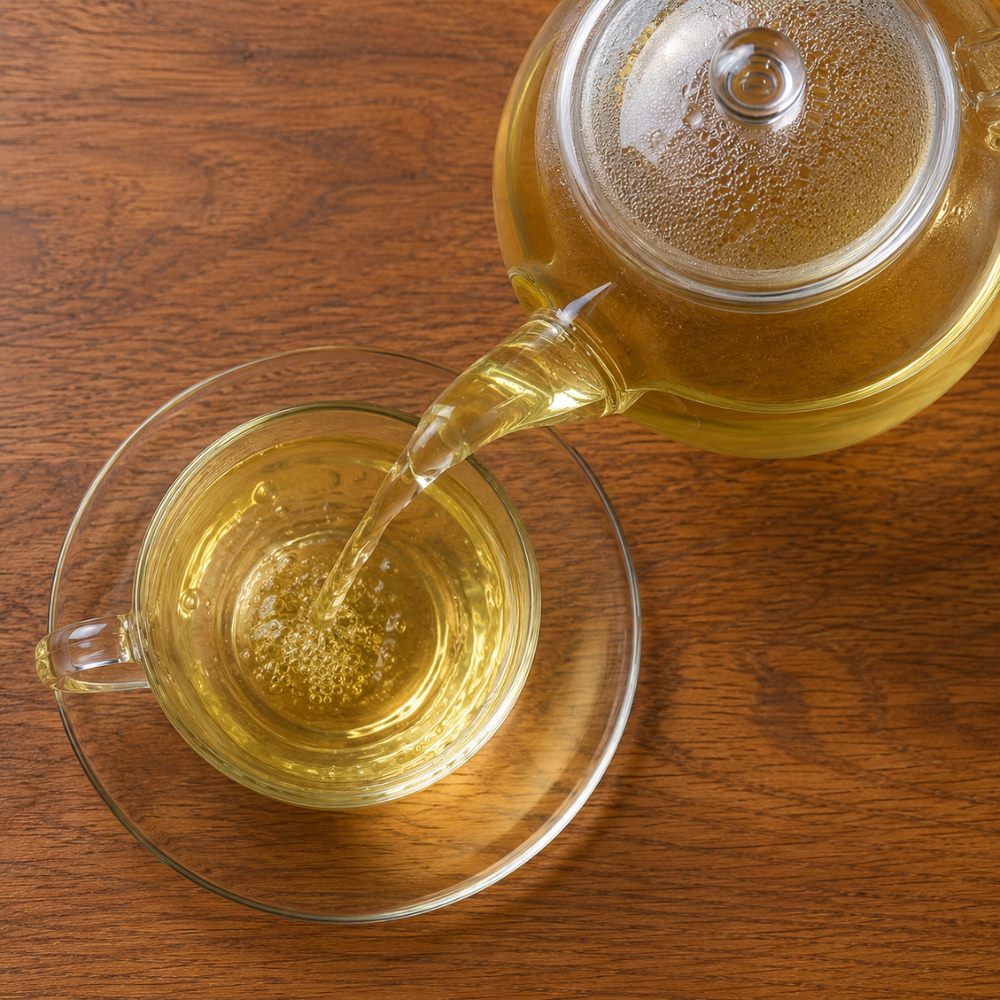
Strain the leaves or remove the infuser, and pour the infused tea into your serving cup, jar, or pitcher.
Add Lemon and Sweetener
Add a squeeze of fresh lime or lemon juice or a few lemon slices. Stir in honey to taste.
Enjoy
Enjoy your lemon balm tea warm, or let it cool completely and pour over ice with lemon slices for a refreshing iced lemon balm tea.
Tips for Making the Perfect Cup of Lemon Balm Tea
Fresh vs. Dried Lemon Balm
Fresh Lemon balm leaves offer a light, bright, citrusy flavor that feels especially fresh in spring and summer. Dried lemon balm, on the other hand, has a more concentrated aroma and deeper herbal taste. If you want a stronger infusion or don’t have access to fresh leaves, dried lemon balm works beautifully.
Don’t Over-Steep
Avoid over-steeping. Steeping lemon balm for too long can make the tea taste slightly bitter.
Experiment with Ratios
These recipes are simply a guide. Feel free to adjust the amount of lemon balm depending on how strong you like your tea.
3 Lemon Balm Tea Recipes to Enjoy Through the Day
Lemon Balm and Moringa or Green Tea
Inspired by one of my favorite DIY herbal tea blends, this lemon balm and moringa or green tea blend is perfect to drink in the morning. The lemon balm, combined with the natural energy boost of moringa or green tea, helps you start the day feeling balanced, calm, and energized.
Ingredients:
1 tsp dried Lemon balm
1 tsp moringa leaves or 1 green tea bag
1 cup hot water
Honey (optional)
How to Make It:
Combine dried lemon balm with moringa leaves or green tea in a cup.
Pour hot water over the mixture.
Cover and let it steep for 4-6 minutes.
Strain, if needed, and add honey.
Ginger and Lemon Balm Tea
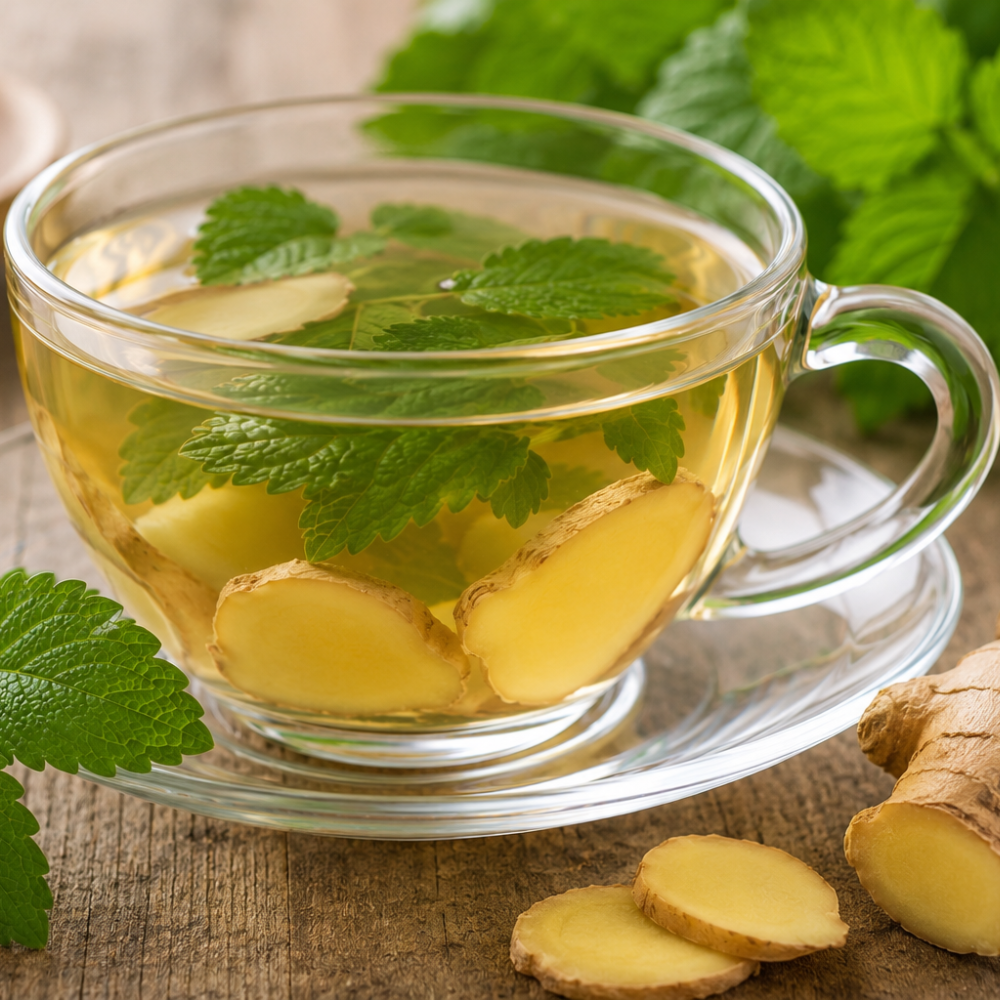
This Ginger and lemon balm herbal tea supports digestion and inflammation.
Ingredients:
1 small handful fresh lemon balm leaves
1-2 slices fresh ginger
1 to 2 cups water
1 tsp honey (optional)
Juice of ¼ lemon (optional)
How to Make It:
Bring your water to a boil, add fresh ginger slices, and simmer for 3-5 minutes, then remove from heat.
Add fresh lemon balm leaves.
Cover and let it steep for 6-7 minutes.
Strain out the ginger slices and lemon balm leaves before serving.
Mint and Lemon Balm Iced Tea
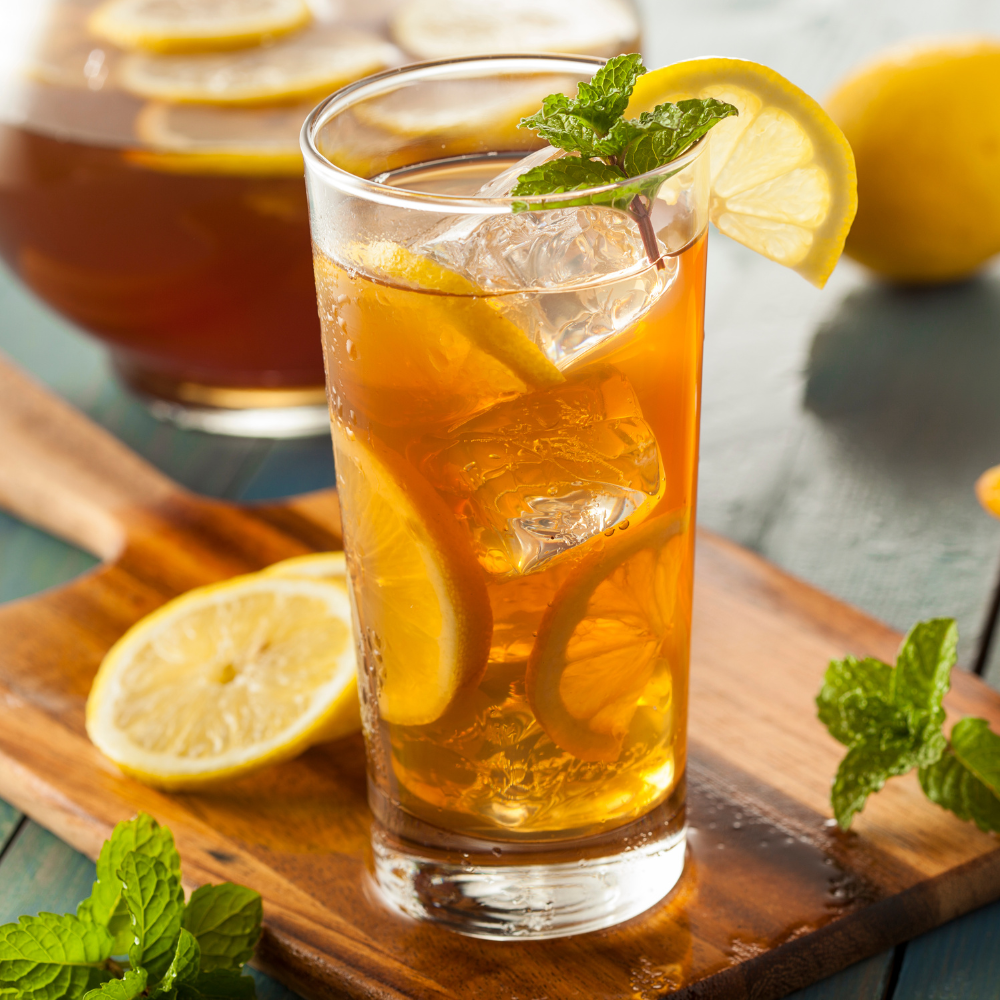
This mint and lemon balm iced tea is a refreshing herbal drink, and one of our favorites to enjoy on hot summer afternoons.
Ingredients:
1 small handful fresh mint leaves
1 small handful fresh Lemon balm leaves
2 cups water
1 tsp honey (optional)
Juice of ¼ lemon (optional)
Ice, for serving
How to Make It:
Boil water, then remove from heat.
Add fresh mint leaves and lemon balm leaves.
Cover and let it steep for 7-8 minutes.
Strain the herbs and allow the tea to cool to room temperature.
Pour over a tall glass filled with ice cubes.
Stir well, and enjoy chilled.
Looking for a more traditional iced tea recipe? Check our mint tea guide.
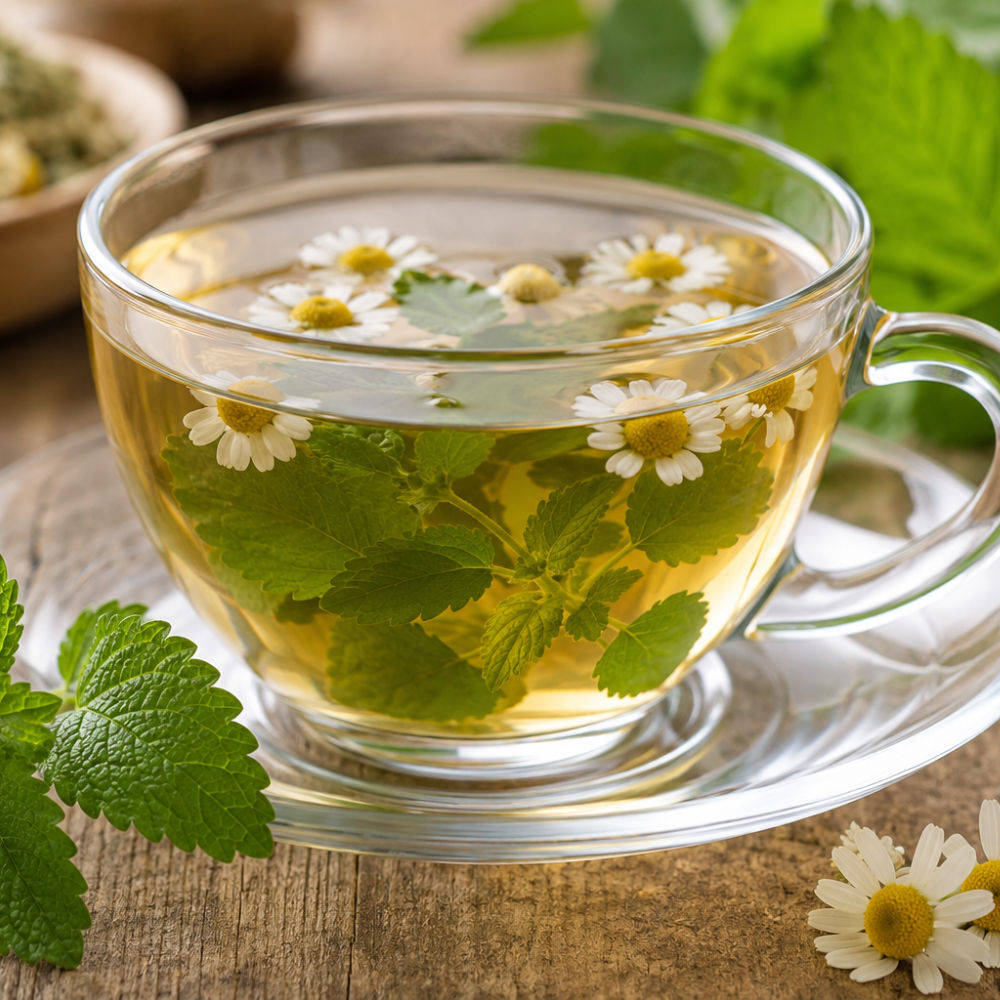
Lemon Balm and Chamomile Tea
This lemon balm and chamomile tea is good to drink in the evening to relax and unwind.
Ingredients:
1 small handful fresh Lemon balm leaves
1 tbsp loose-leaf dried chamomile flowers or 1 chamomile tea bag
2 cups water
1 tsp honey (optional)
How to Make It:
Bring water to a boil, then remove from heat.
Add fresh lemon balm leaves and loose-leaf dried chamomile flowers or a chamomile tea bag.
Cover and let it steep for 10 minutes.
Strain and pour your lemon balm tea into your cup.
Add honey and drink warm.
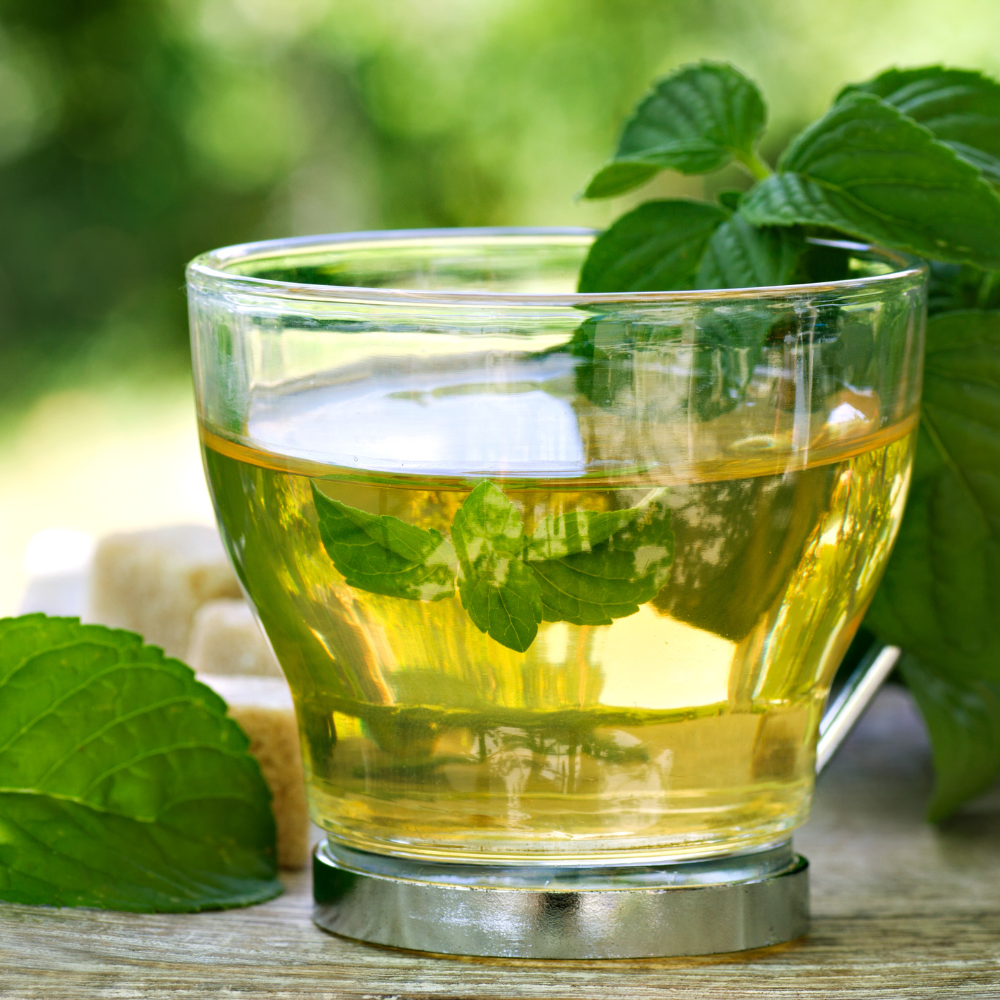
We hope you enjoy learning more about Lemon balm, its benefits, and how to make lemon balm tea. Whether you’re making a warm cup before bed or an iced tea for hot afternoons, these lemon balm tea recipes will help you feel your best from the inside out and bring more calm and balance to your daily routine.
And if you enjoyed these lemon balm tea ideas, save them to your Pinterest board so you can easily come back to them whenever you need a calming cup of tea.
For more herbal tea recipes, wellness drinks, and cozy homemade remedies, explore our Wellness section. You’ll also find iced tea recipes, seasonal drinks, and some of my grandma’s favorite infused and detox waters.
To stay updated when new recipes and wellness articles are posted, subscribe below to our email list and join our list of friends and family.
Besitos,
Laura

Easy flavored iced coffee recipes to make at home, including honey cinnamon latte, vanilla oat milk latte, Vietnamese iced coffee, matcha espresso, and dirty horchata.