
How to Make Dandelion Tea: Homemade Herbal Tea Recipe & Variations
While living in Ireland, I learned how to make dandelion tea. It’s a simple, herbal drink that’s surprisingly common in both Ireland and England. In spring especially, you’ll often see dandelions growing freely in fields, gardens, and along hedgerows.
Dandelion tea is made by steeping the flowers, leaves, or roots of the plant in hot water. This herbal infusion is naturally caffeine-free, and its flavor reflects the part of the plant used for the tea itself.
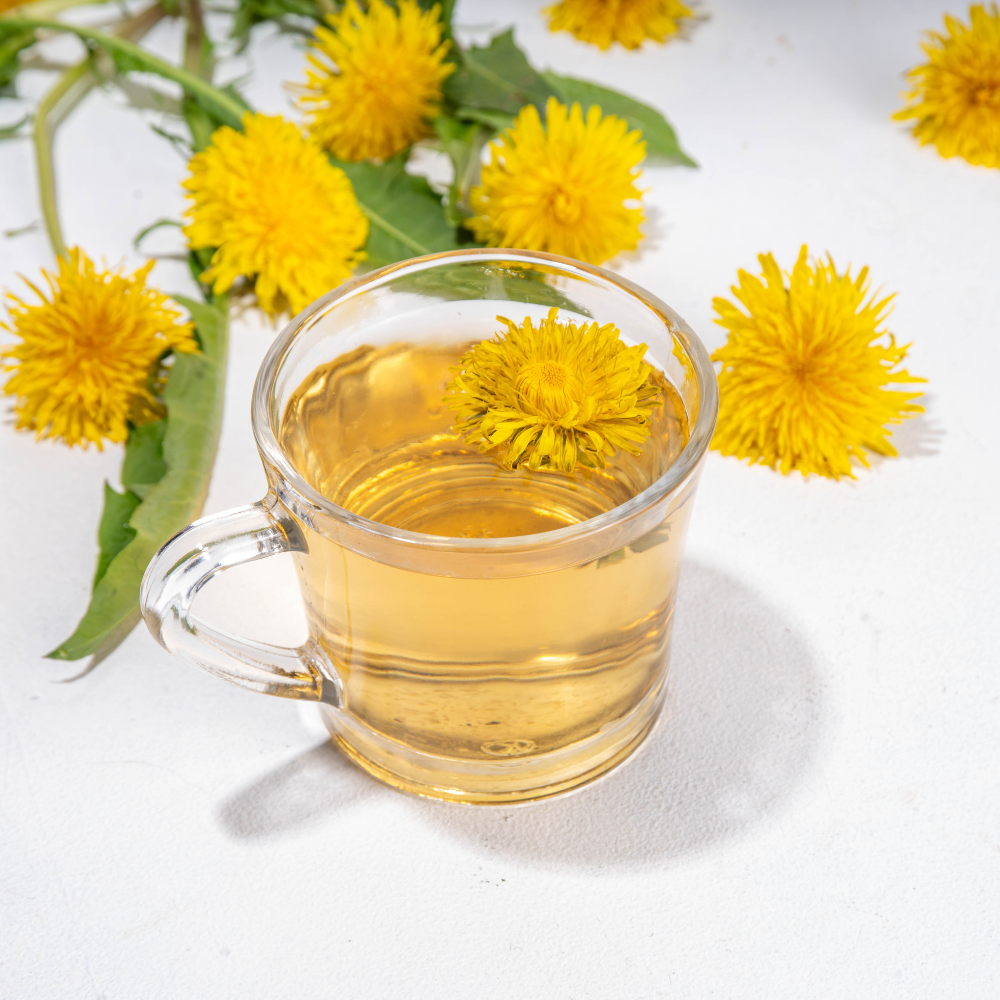
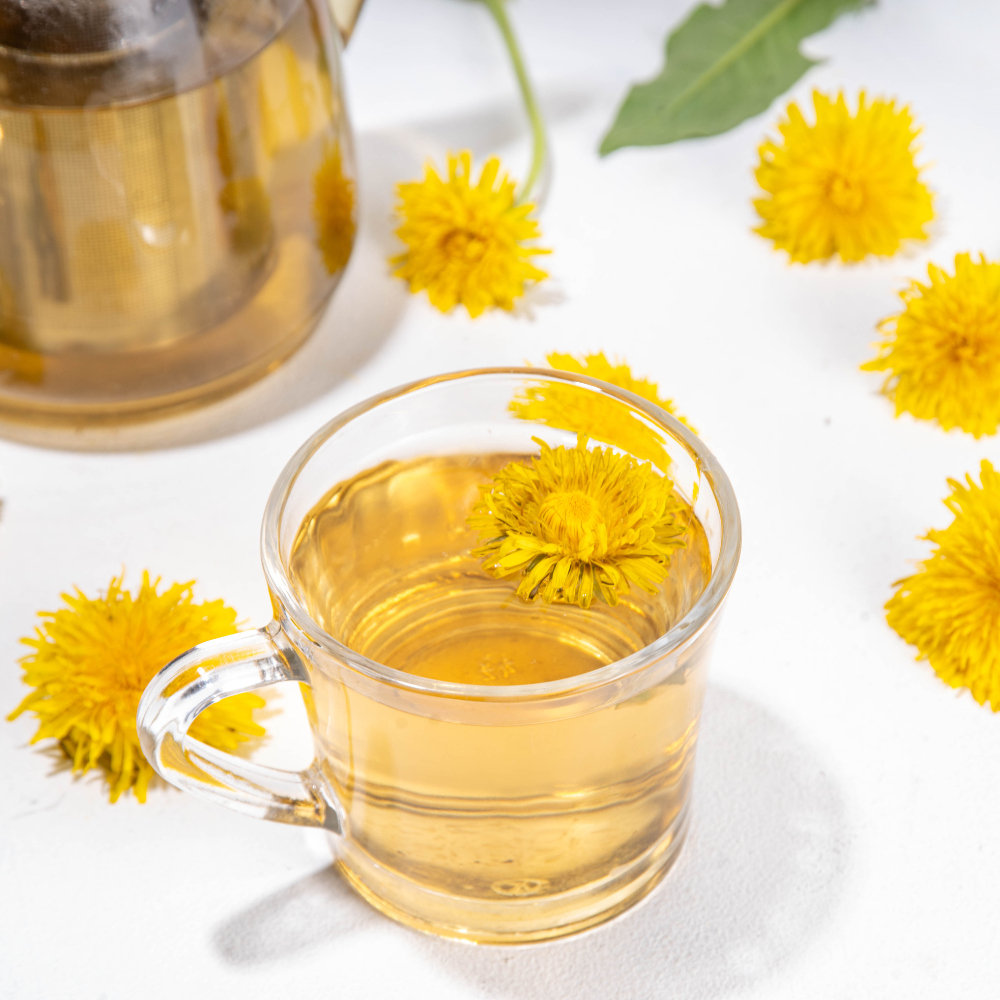
Over the years, I have made it in different ways, light and delicate using fresh petals, or deeper and more roasted when using the roots, sometimes blended with lemon and a touch of honey. It’s one of my favorite tea recipes that can be easily enjoyed across the seasons, warm in the winter or iced with lemon wedges in the summer.
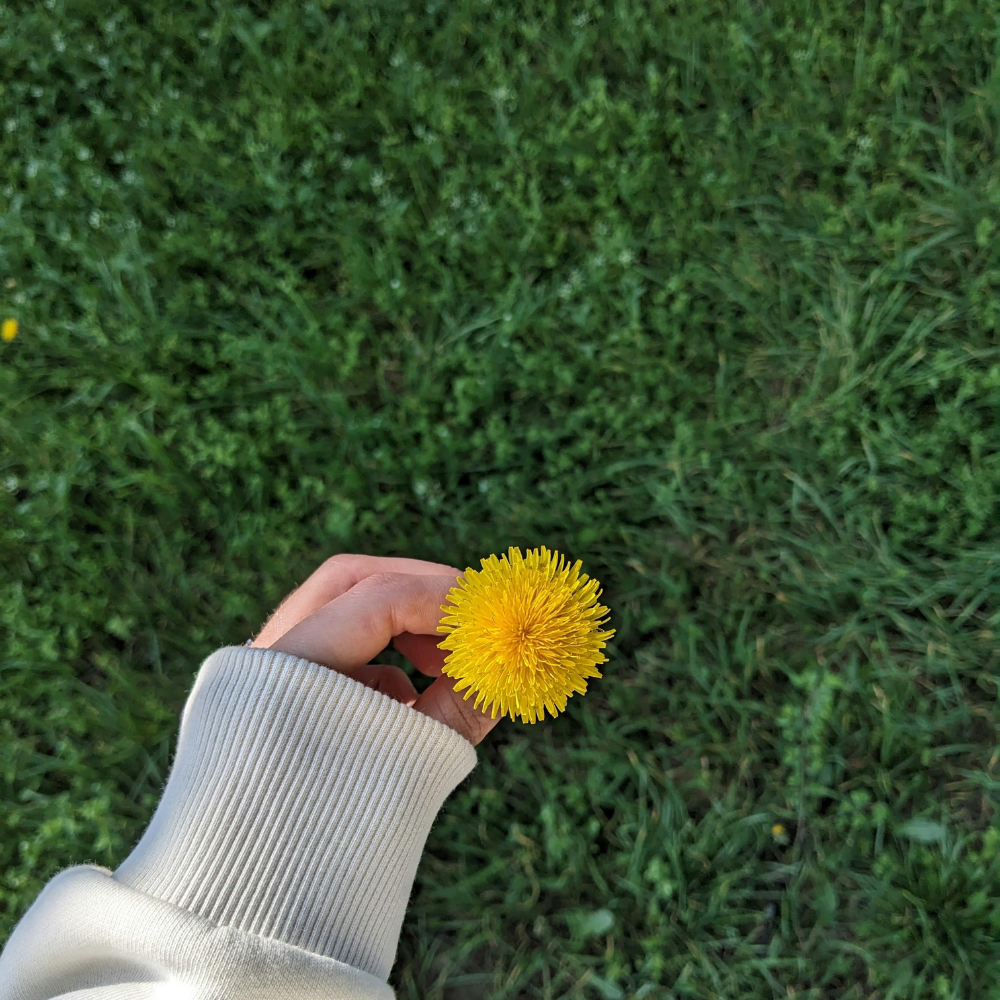
In this guide, I’ll walk you through how to make fresh dandelion tea at home, including how to prepare the flowers or roots, how long to steep it for different strengths, and simple ways to adjust the flavor to your liking. If you don’t have access to fresh flowers, you can also use loose leaf dandelion tea and follow the same variations below.
Ingredients for Fresh Dandelion Tea
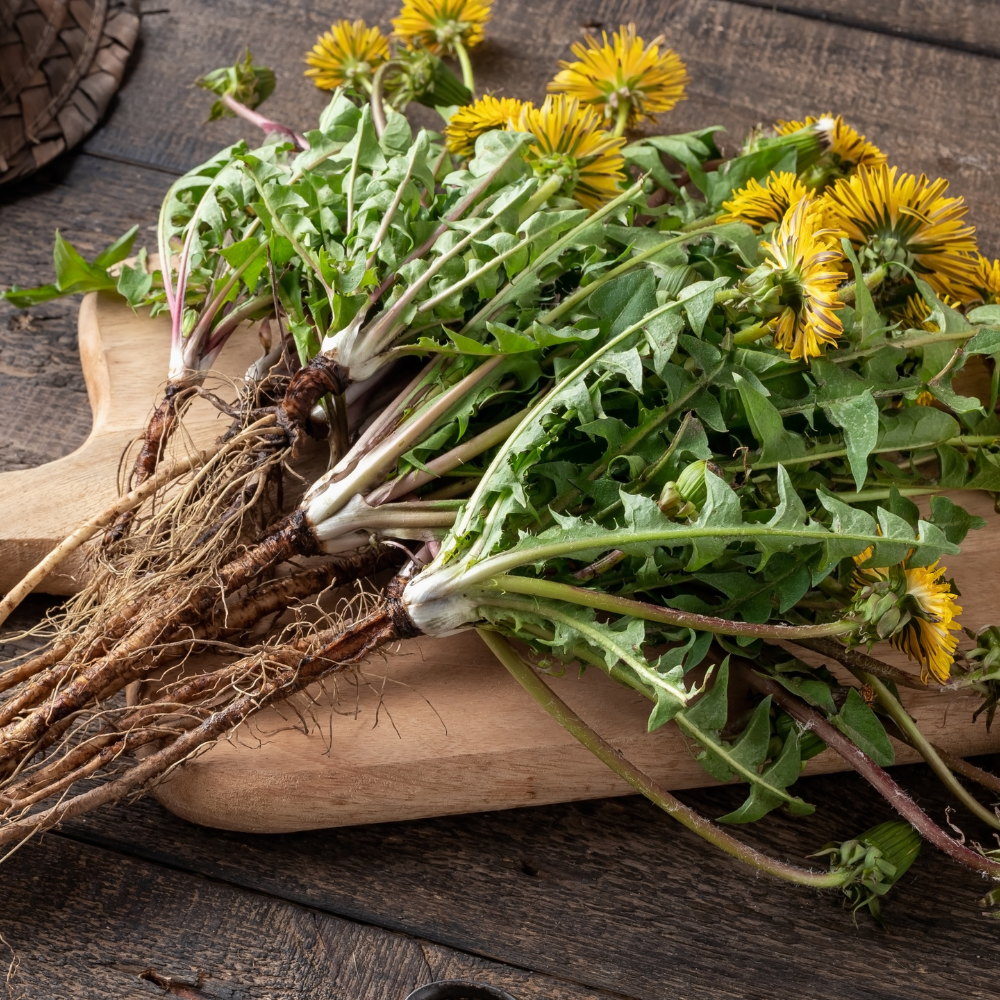
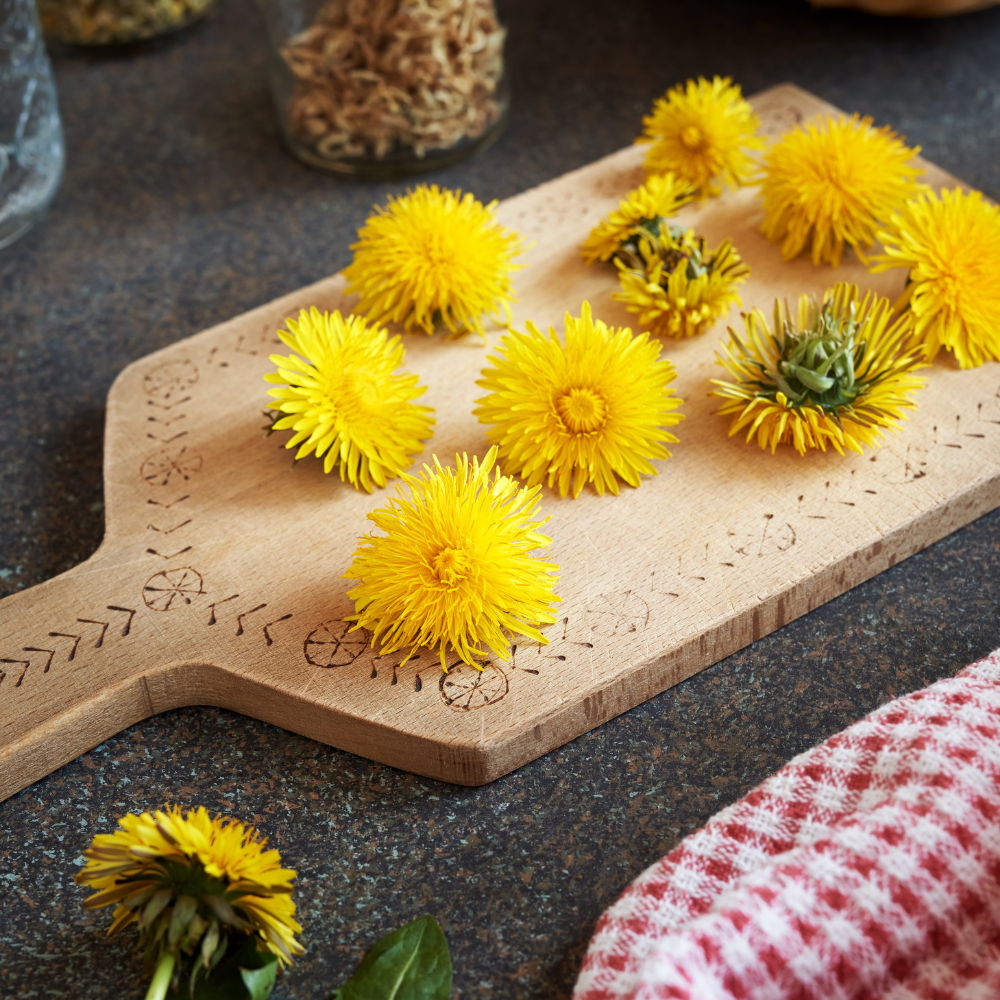
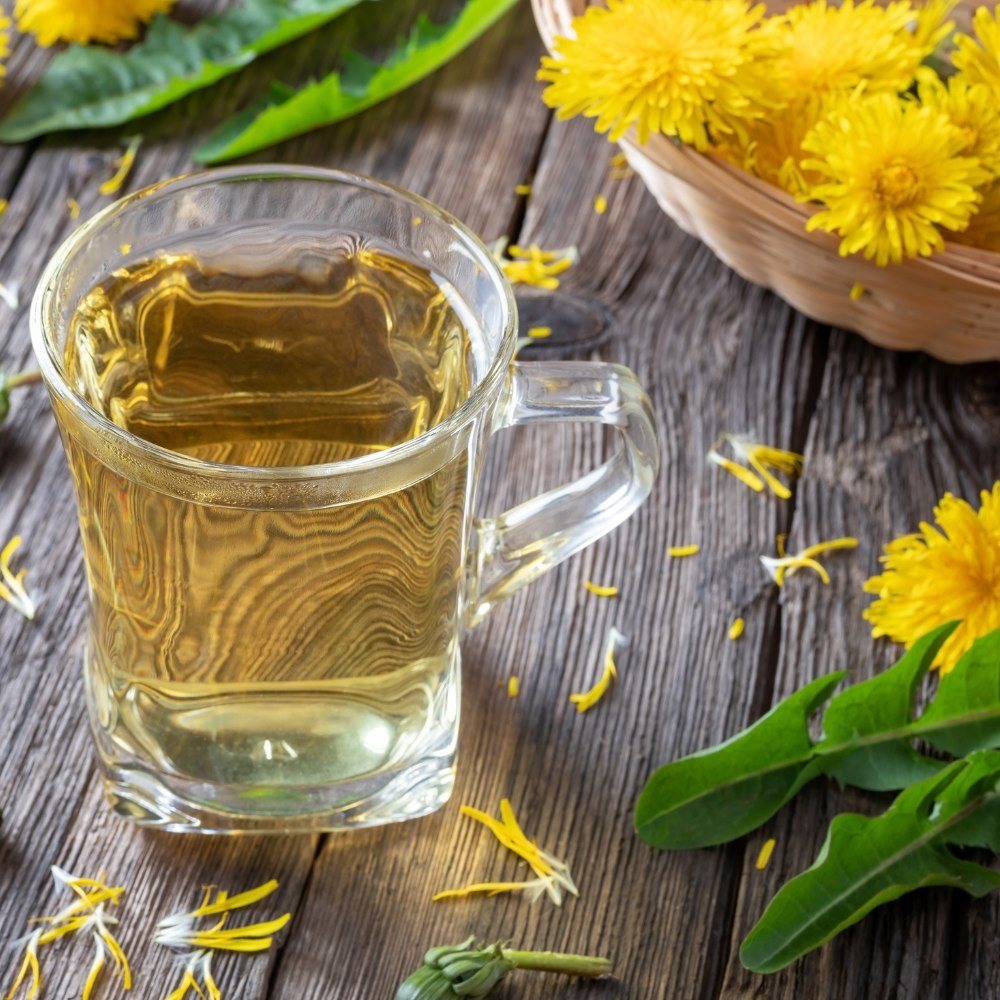
Dandelion leaves, flowers, or roots: Some people prefer using the roots, but I tend to use the bright yellow petals. Avoid the green base of the flower, as it can add bitterness to the tea.
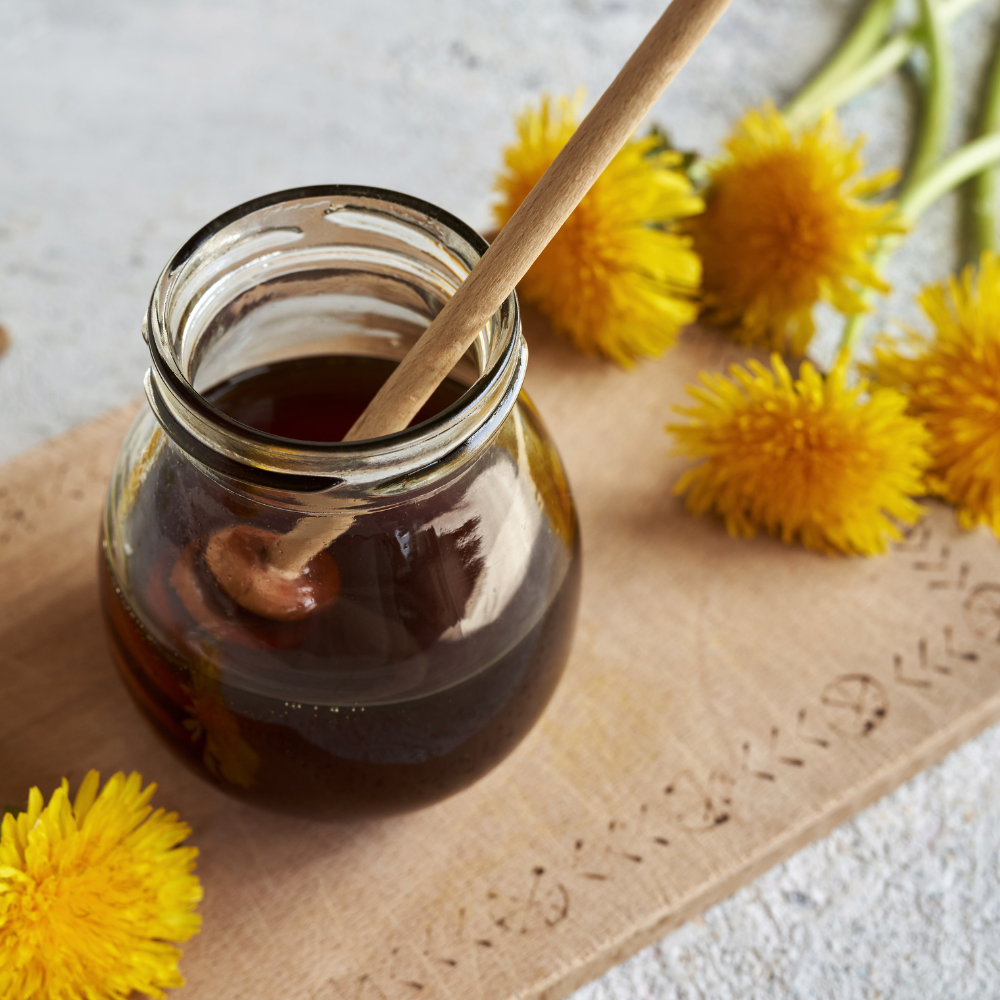
Honey (optional): A small amount can help balance the natural bitterness, especially when using the roots, without overpowering the herbal flavor. Add it after steeping so you can adjust to taste.
Lemon (optional): A squeeze of fresh lemon brightens the flavor and helps soften the tea.
How to Make Fresh Dandelion Tea
Preparing Fresh Dandelion
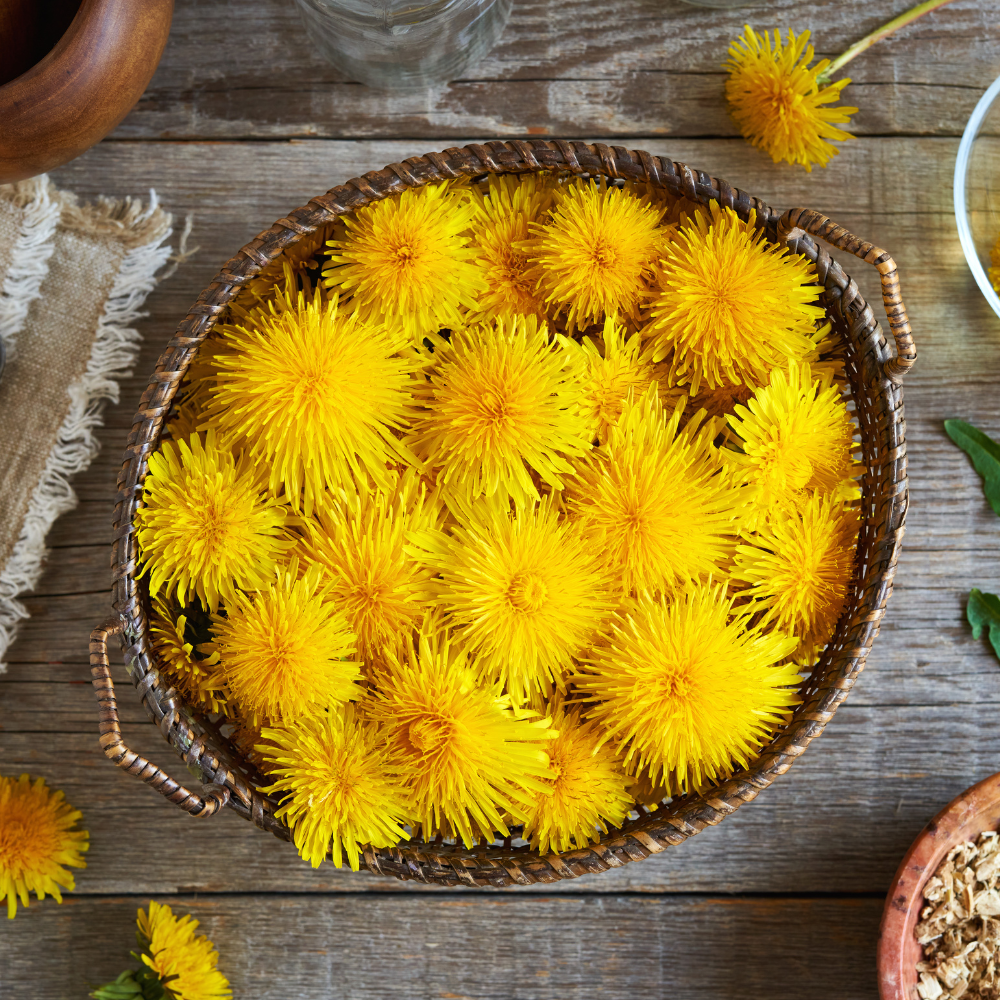
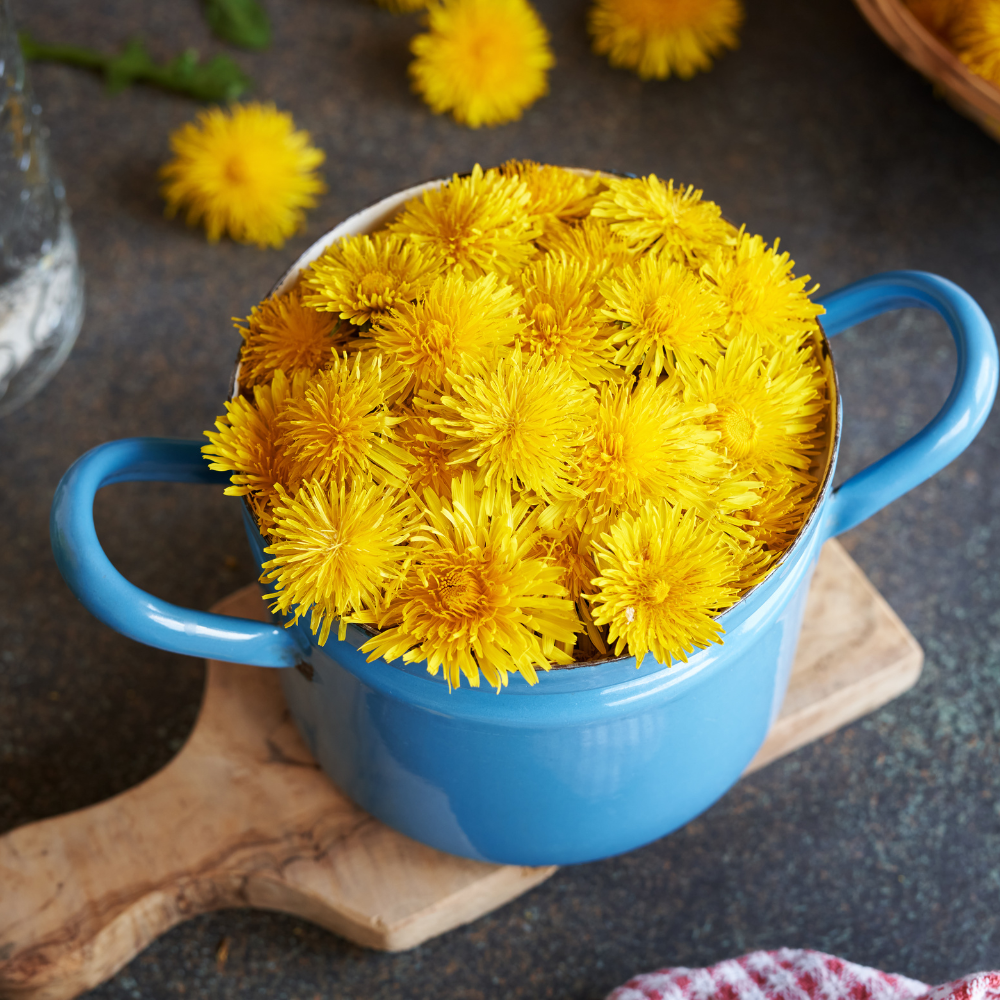
When using wildflowers, start by soaking the whole flower thoroughly in cold water with baking soda or a splash of white vinegar. Pat them dry or use a clean towel to dry them. Then, separate the yellow petals and the center of the flower and put them in a separate bowl, avoiding the green base and any bits underneath.
If you choose to make dandelion root tea instead, rinse the roots thoroughly to remove any dirt, grit, or insects. Dandelion roots often hold soil in their crevices, so take your time here.
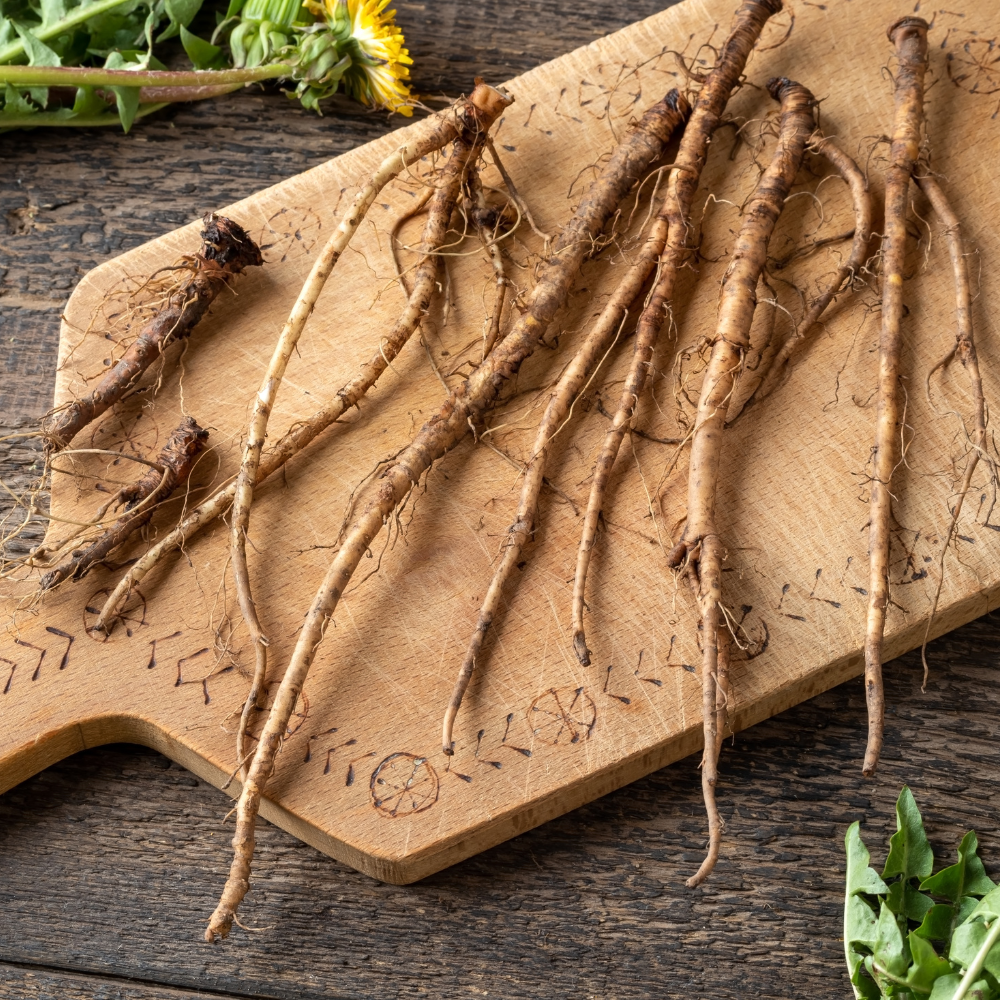
Scrub the roots well and chop them into small pieces to help release more flavor during brewing. You can also lightly roast them in the oven at 375°F for about 10 to 15 minutes for a richer, coffee-like depth.
A general guideline is:
1 to 2 handfuls of fresh petals or leaves, or 1 to 2 teaspoons of chopped root, per 2 cups of water.
Brewing Dandelion Tea on the Stove
Add 2 cups of water to a small saucepan and bring it to a gentle boil. Once the water is hot, add your prepared dandelion flowers or roots.
Reduce the heat and let it simmer slowly. A gentle simmer helps draw out the plant’s natural flavor.
Around 5 minutes for a light, mild infusion
10 to 20 minutes for a stronger, more robust brew
Once finished, remove from the heat and let it sit briefly to deepen the flavor, if desired. Strain into a mug and enjoy.
Add lemon or honey after brewing, adjusting to taste.
Dandelion Tea Variations
Once you’ve learned the basics of making dandelion tea, it’s easy to start adapting it with other herbs, roots, and natural flavors. You can mix dandelion with other fresh, tea-friendly ingredients to create different flavor profiles or enhance the overall health benefits. You can also use loose-leaf dandelion tea and combine it with fresh ingredients. Some of my favorite combinations are:
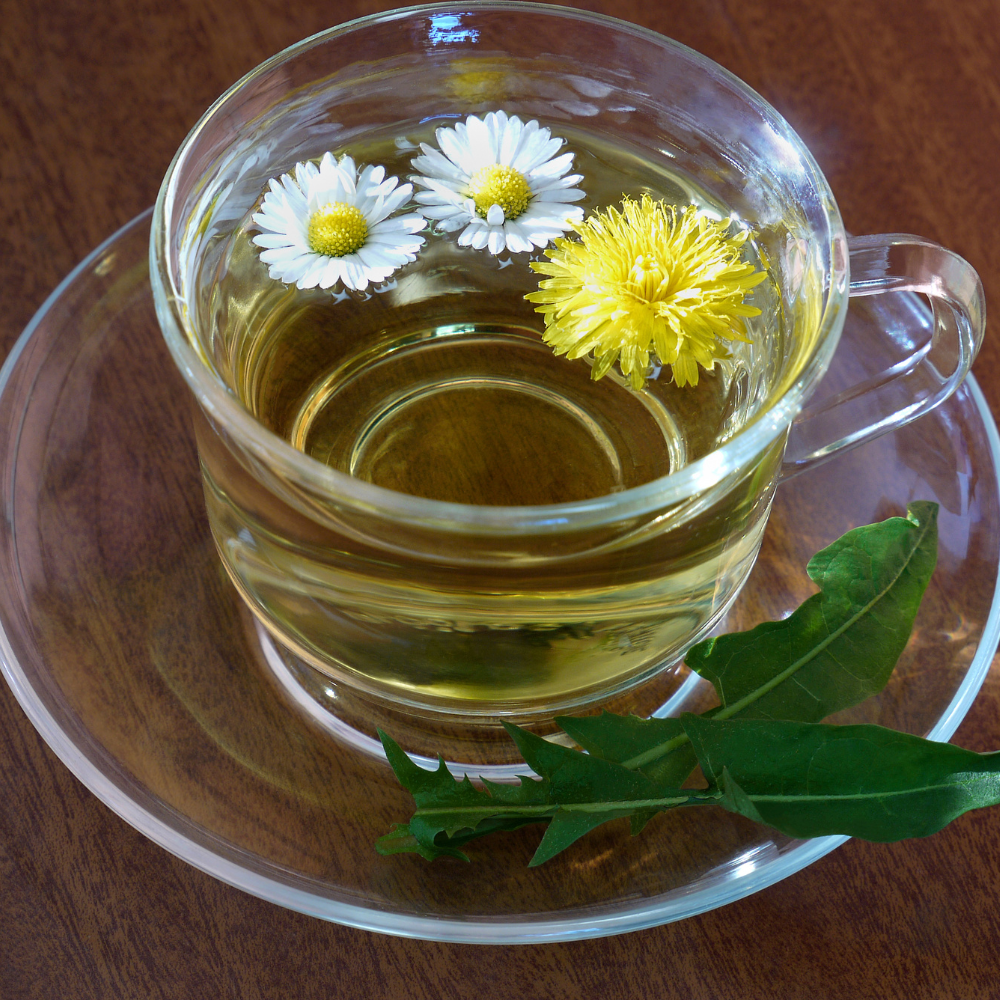
Dandelion & Chamomile Herbal Tea
This is a floral tea combination that is one of my favorites for a calming, evening ritual, perfect before bed for a relaxing and grounding moment.
To make it: Add chamomile flowers (fresh or dried) and dandelion petals or leaves to a pot of hot water. Simmer gently for 10-15 minutes. Strain and finish with honey and a little lemon if desired.
Lemongrass & Dandelion Root Tea
Lemongrass brings a clean citrus flavor that pairs really well with dandelion.
To make it: If using fresh lemongrass, lightly bruise a stalk to release its oils, then combine it with pre-roasted dandelion roots in hot water. Let it simmer for 5-8 minutes, strain, and enjoy a smooth, fragrant cup.
Mint & Dandelion Tea
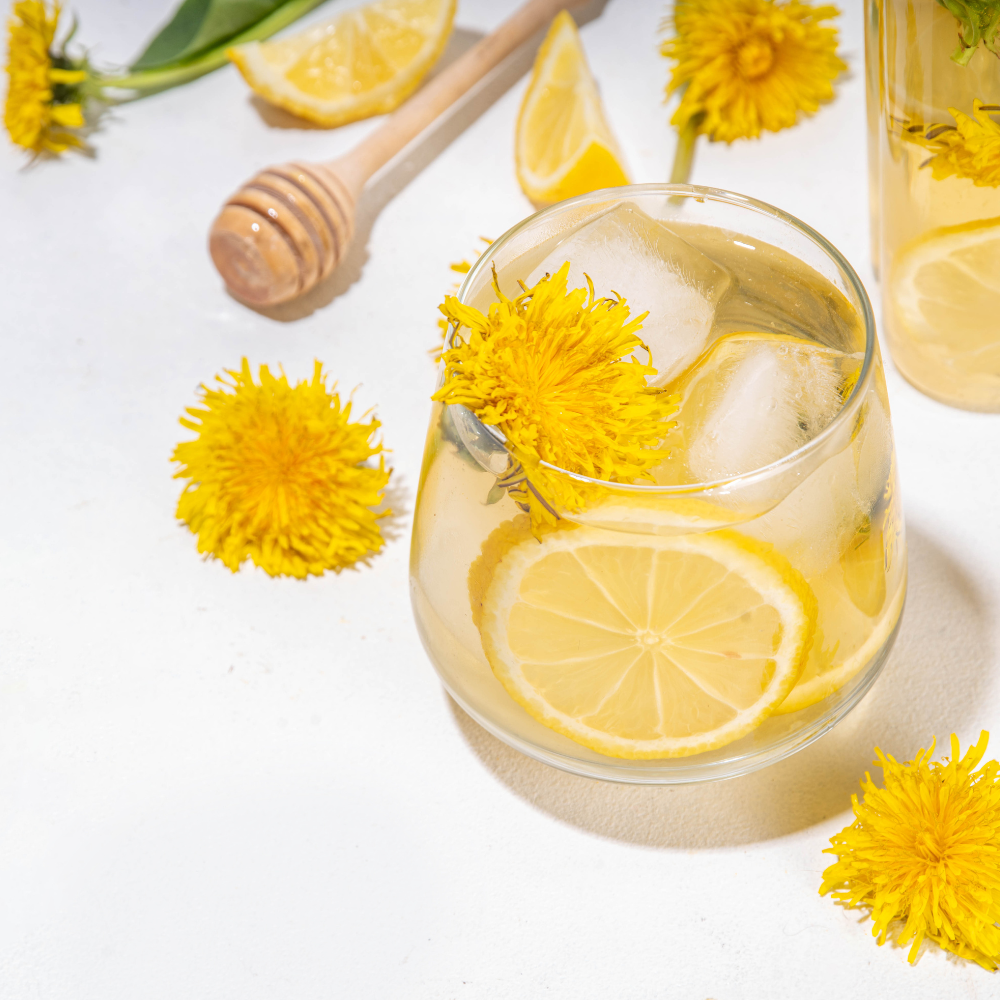
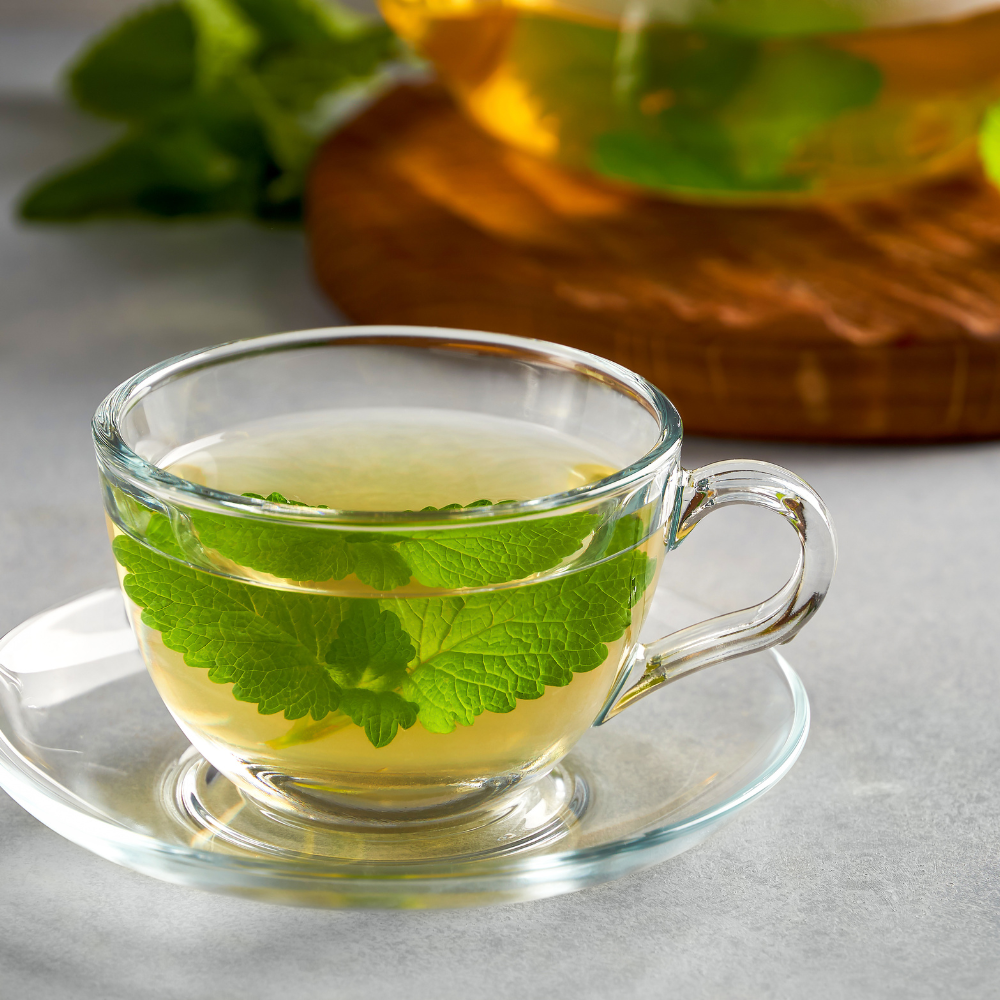
You’ll love this variation! It can be served hot or over ice. Mint softens the flavor of the tea and adds a cooling finish.
To make it: Prepare dandelion tea in boiling water as usual. Add a handful of lightly crushed fresh mint leaves during the last few minutes of simmering. Strain and enjoy warm, or chill and pour over ice for a more refreshing drink.
Fruit & Dandelion Tea
If I had my own farm, I’d love to grow everything naturally and blend wild ingredients freely. I’ve tried mixing fresh dandelion petals with dried berry loose-leaf tea, and it’s delicious, especially served iced in the summer months. Another more accessible variation is combining it with hibiscus flowers (fresh or dried) or apple slices, which I love making during the fall.
Health Benefits of Dandelion Tea
Dandelion tea has long been used as a traditional herbal infusion across different cultures.
It’s commonly associated with digestive support and liver health, and is traditionally used to help ease feelings of fullness or bloating after meals. Many people also include it in their morning routine as a way to feel a bit more settled and refreshed.
Dandelion is naturally rich in plant compounds and good to drink when the body feels run-down or sluggish.
Fresh Dandelion Tea vs Tea bags or Loose Leaf Tea
Pre-packaged dandelion tea is convenient, but using fresh leaves or roots creates a very different experience. The flavor tends to be fuller, more complex, and noticeably more vibrant when made from freshly prepared plant material.
Whether you’re drinking it for daily wellness, digestion, or simply as a caffeine-free alternative, making it fresh allows you to adjust each cup to your own preference rather than relying on a standard pre-blended mix.
That said, if you don’t have access to fresh dandelion, loose leaf dandelion tea or tea bags are still great options and can offer many of the same traditional benefits.

Dandelion Tea
Homemade dandelion tea made by steeping fresh flowers or roots in hot water. Naturally caffeine-free and easy to customize with honey or lemon.
Ingredients
- 1-2 handfuls fresh dandelion flowers, leaves, or roots (or 1-2 tsp dried loose-leaf dandelion tea)
- 2 cups water
- 1 tsp honey (optional)
- 1 tsp fresh lemon juice (optional)
Instructions
- Rinse thoroughly to remove dirt or debris. Separate the yellow petals and avoid the green base.
- Add 2 cups of water to a small saucepan and bring the yellow petals to a gentle boil.
- Reduce heat and simmer for 5 to 10 minutes
- Strain into a mug or leave as is for a stronger infusion.
- Stir in honey or lemon to taste.
Notes
- Use roots for a deeper, earthy, coffee-like flavor. If using roots, clean them thoroughly, cut into small pieces, and roast in the oven at 375°F for about 10 minutes. Then follow the same brewing steps as you would for the flowers.
- Can be served hot or chilled over ice for a refreshing variation.
Nutrition Facts
Calories
12Fat
0 gSat. Fat
0 gCarbs
3 gFiber
0 gNet carbs
3 gSugar
3 gProtein
0 gSodium
13 mgCholesterol
0 mgNutrition information is automatically calculated and should be used as an estimate. Use your own calculations when needed.










Easy flavored iced coffee recipes to make at home, including honey cinnamon latte, vanilla oat milk latte, Vietnamese iced coffee, matcha espresso, and dirty horchata.