
Pomodoro Sauce Recipe | Authentic Italian Tomato Sauce
One delicious recipe that has followed me through every chapter of my life is pomodoro sauce. Long before I ever knew its name, its Italian roots, or how to make it myself, I watched my mom and grandma prepare this simple tomato sauce in the kitchen, and I know I’m not the only one. For many of us, the sight of olive oil warming on the stove, garlic gently sizzling, and canned tomatoes simmering together feels instantly comforting and familiar.
It wasn’t until my early twenties, when I first moved to NYC, that I learned the name of this classic Italian pomodoro sauce and began cooking it on my own, slightly deviating from the tomato sauce my family made growing up, which included onions and oregano. That version is also delicious, and I may share that recipe another day.
After the first time I made it myself, no matter where life has taken me, from New York apartments to European kitchens, this authentic pomodoro sauce recipe has remained a constant. It’s the sauce I turn to when I want something grounding, nostalgic, and deeply satisfying. Today, I’m sharing the version I return to again and again.
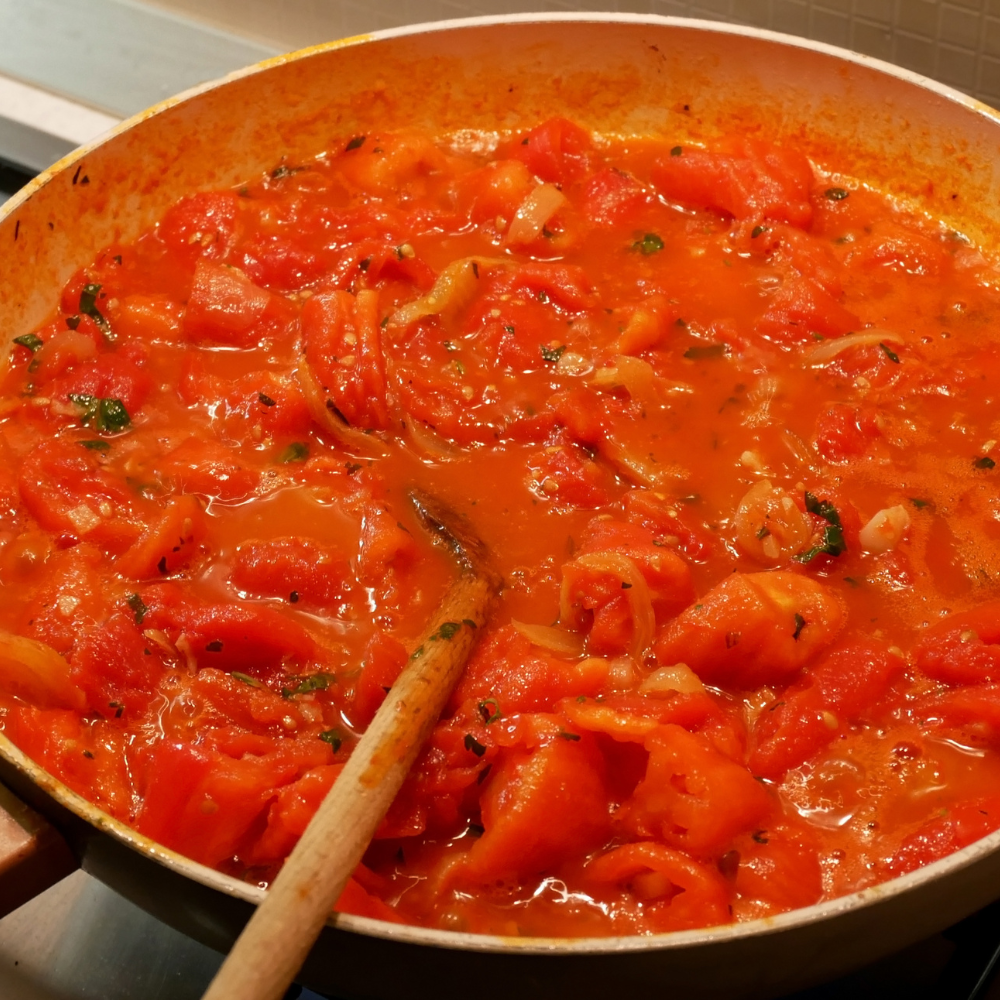
What Is Pomodoro Sauce?
Pomodoro sauce is a classic Italian tomato sauce made with just a handful of ingredients: canned or fresh tomatoes, olive oil, garlic, and fresh basil. The word pomodoro means tomato in Italian, and the sauce celebrates simplicity above all else.
Unlike heavier tomato sauces that simmer for hours, traditional pomodoro sauce cooks relatively quickly, keeping the flavor bright, fresh, and clean. It’s one of the most versatile sauces in Italian cooking and the foundation for countless dishes.
How to Make Pomodoro Sauce (Step-by-Step)
Ingredients for Classic Pomodoro Sauce (And Why Each One Matters)
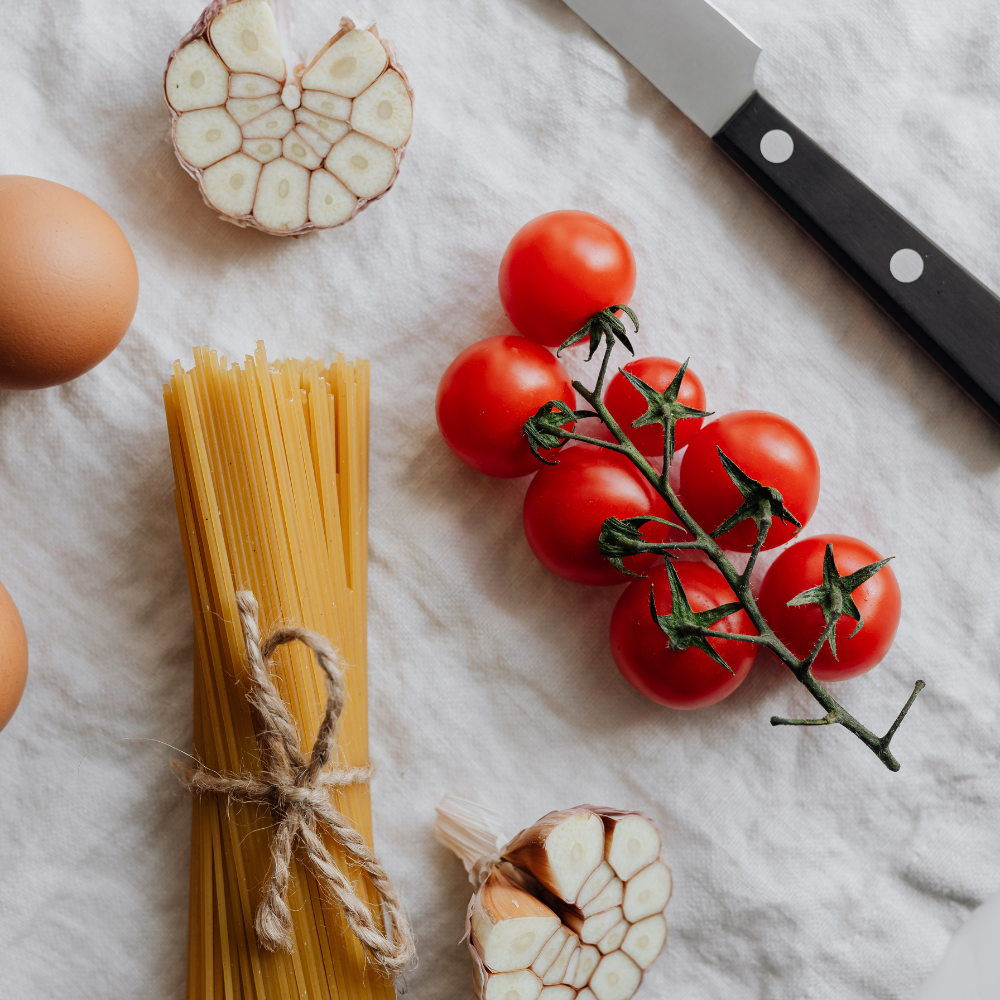
A truly great pomodoro sauce recipe relies on simplicity. With so few ingredients, every ingredient plays an important role in building flavor and texture. These are the ingredients we use to make Italian pomodoro sauce.
Extra Virgin Olive Oil
Extra virgin olive oil is the foundation of pomodoro sauce. It creates a rich, silky base that carries flavor throughout the sauce while adding subtle fruitiness and depth. In classic Italian cooking, olive oil isn’t just a cooking fat; it’s a seasoning.
High-quality extra virgin olive oil enhances the tomatoes, softens the sharpness of garlic, and gives the sauce its smooth, glossy finish. The better the olive oil, the more flavorful and well-rounded your pomodoro sauce will be.
Garlic Cloves
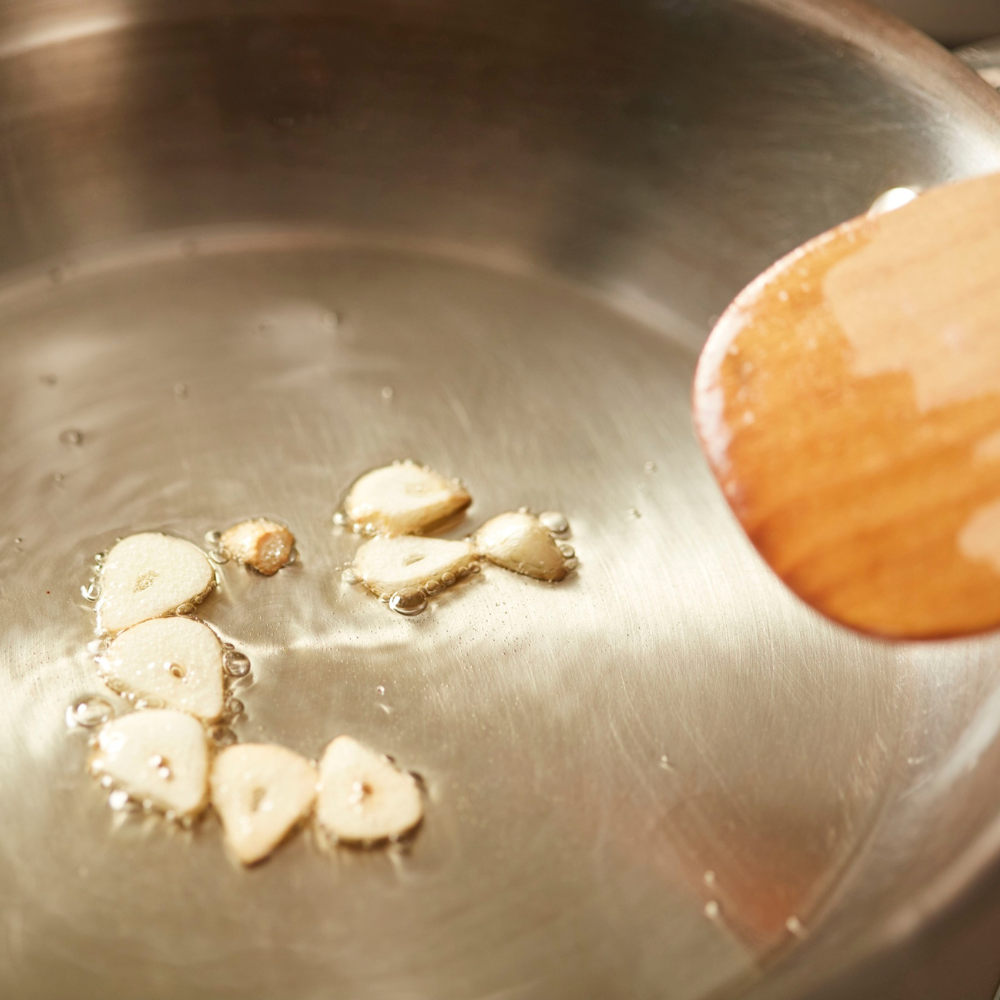
Garlic adds gentle warmth to pomodoro sauce without overpowering the tomatoes. Lightly smashing the cloves to slowly release their flavor into the olive oil, creating a fragrant base. This technique keeps the sauce balanced and clean, letting the tomatoes remain the star while still delivering that unmistakable Italian kitchen aroma.
Whole San Marzano Tomatoes or Fresh Vine Tomatoes
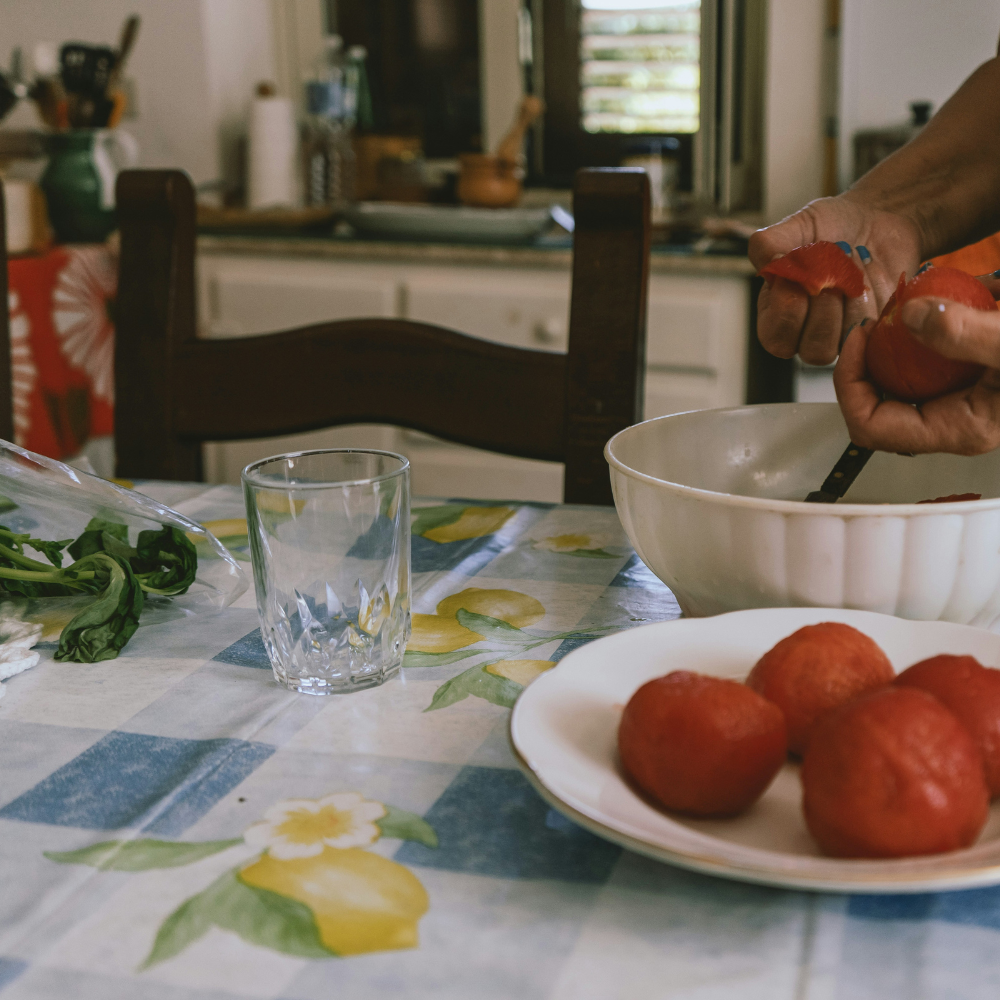
Tomatoes are the heart of pomodoro sauce. San Marzano tomatoes are known for their natural sweetness, low acidity, and tender texture, making them ideal for classic pomodoro sauce. If using fresh vine or ripe Roma tomatoes, blanching and peeling them first helps maintain a clean, bright flavor while allowing the sauce to thicken naturally as it simmers.
Fresh Basil Leaves
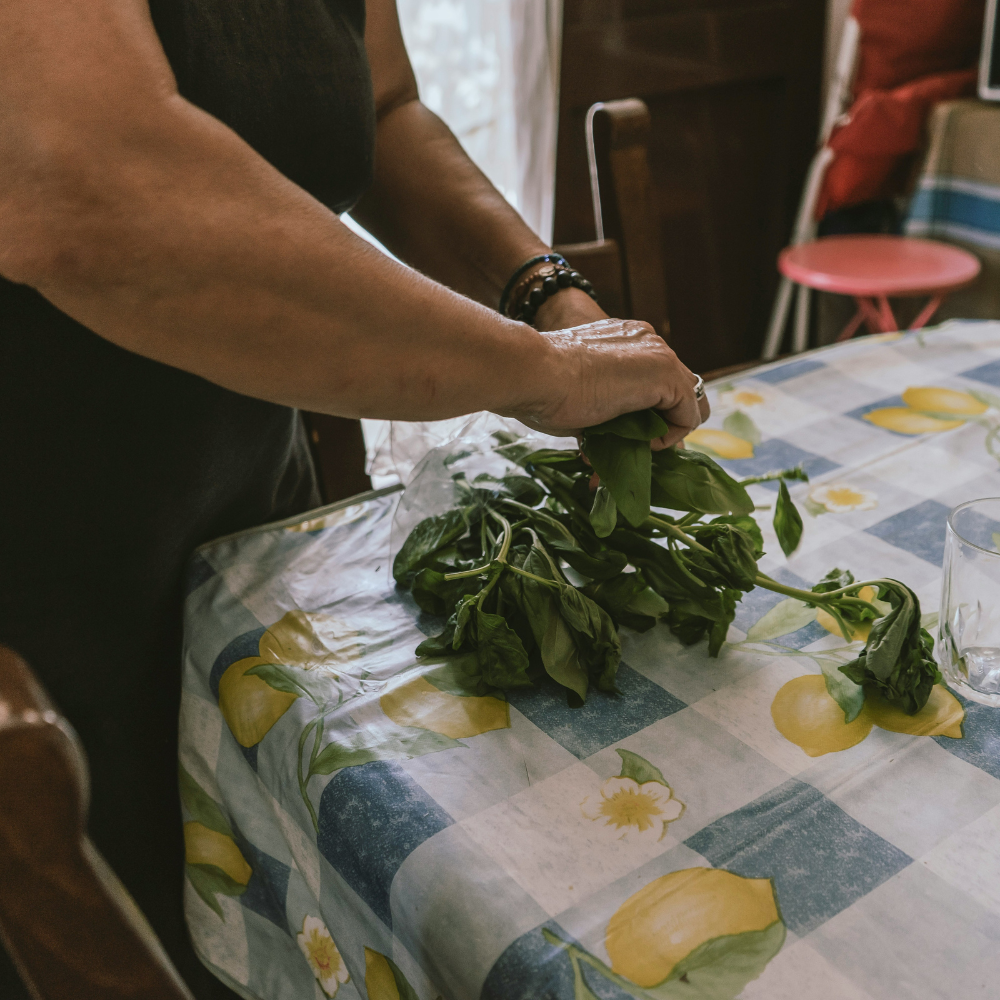
Fresh basil adds brightness to pomodoro sauce. Added at the very end, basil releases its aromatic oils without losing color or flavor. It adds a light herbal note that lifts the richness of the tomatoes and olive oil, giving the sauce its signature fresh finish. Tearing basil by hand rather than chopping helps preserve its delicate flavor.
Salt
Salt is an essential ingredient of pomodoro sauce. Adding salt gradually allows you to adjust the seasoning as the sauce reduces, ensuring the final flavor is savory, well-seasoned, and never flat.
Pinch of Sugar
My grandma and mom have always added a small pinch of sugar when needed to balance the flavors. It’s not meant to make the pomodoro sauce sweet. Some tomatoes, especially canned ones, can taste more acidic depending on the season or brand.
A touch of sugar gently softens those sharp edges, allowing the natural tomato flavor to taste rounder and more harmonious. This step is completely optional, but it can make a noticeable difference in achieving a perfectly balanced sauce.
How to Make Pomodoro Sauce
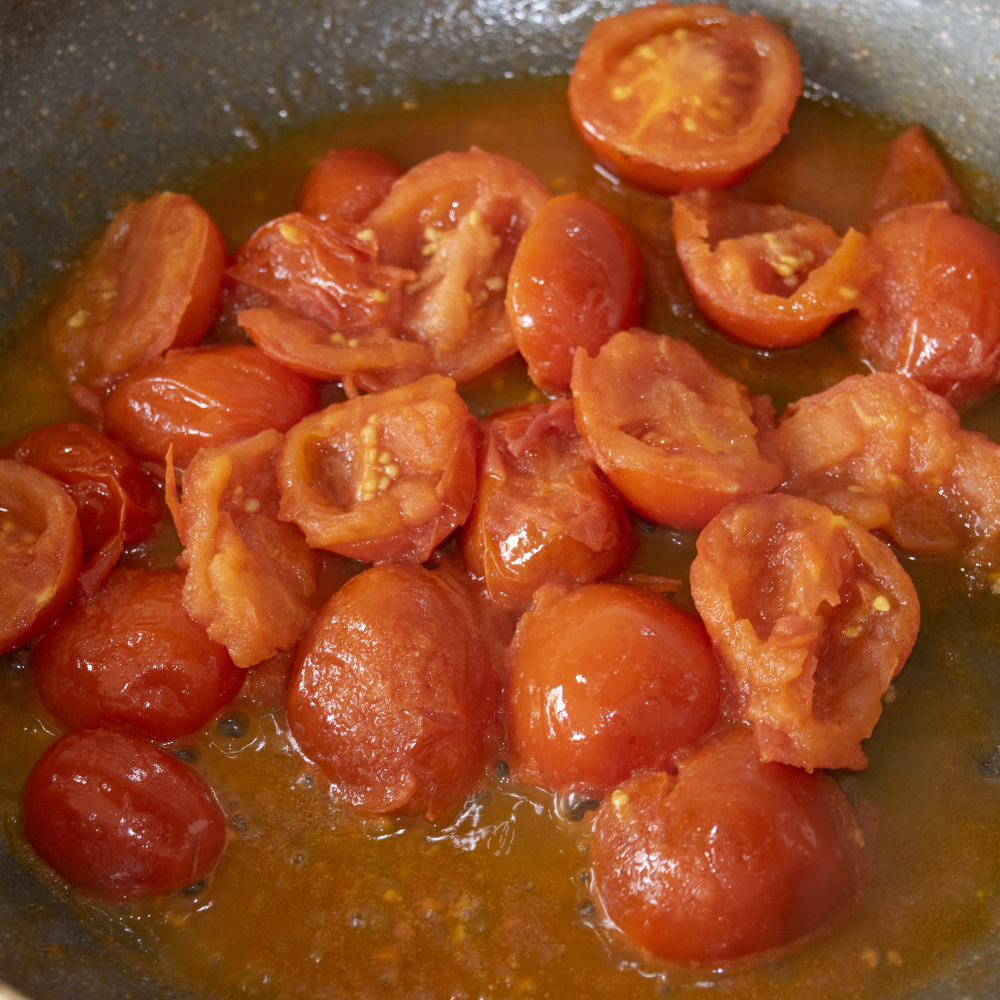
First, in a large pot or wide pan, warm the olive oil over medium heat. Add the garlic cloves and cook gently until fragrant, about 40-50 seconds. Do not brown the garlic, only golden. This sauce should never taste bitter.
Gently crush your Marzano tomatoes with your hands, and add the canned tomatoes to the pan. Stir to coat them in the oil and garlic. When using fresh tomatoes, ripe Roma or vine tomatoes are delicious. Blanch, peel, and crush the tomatoes, then simmer for a few minutes longer to remove excess moisture.
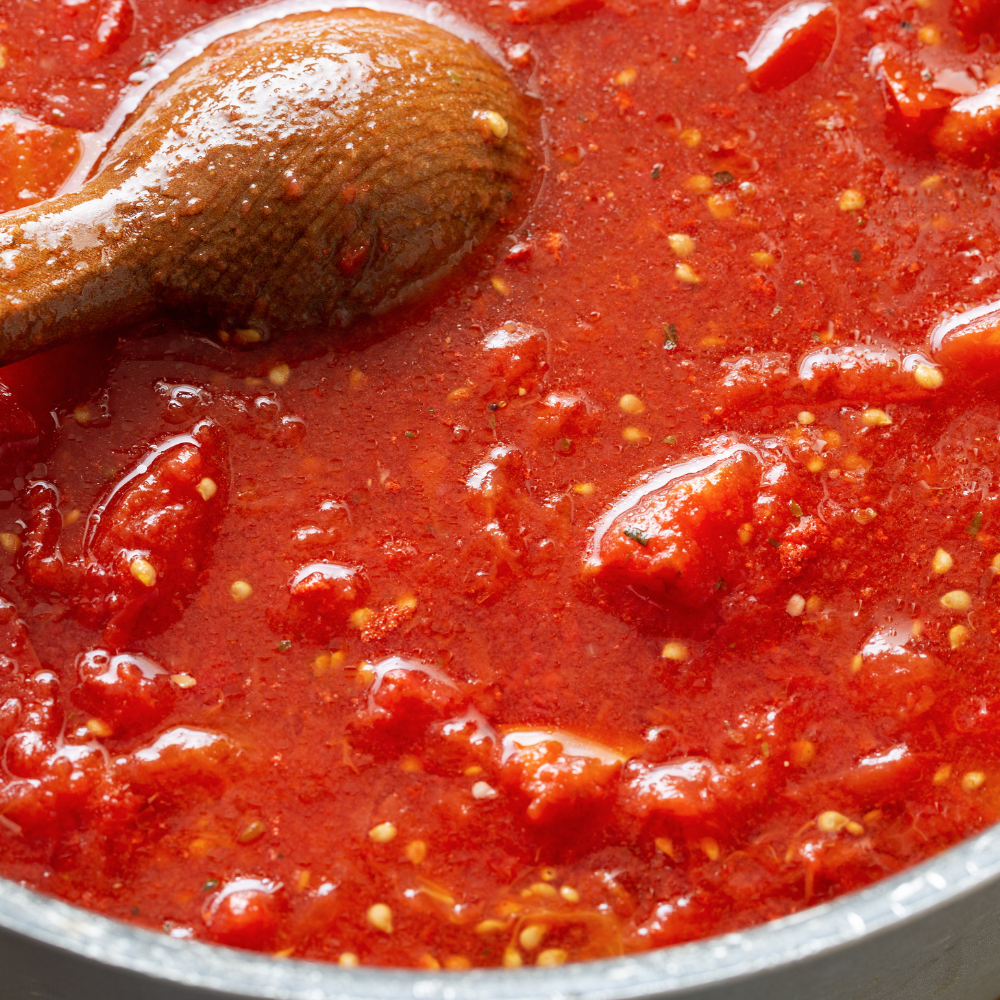
Next, reduce the heat to medium-low and simmer the sauce uncovered for 35-40 minutes, stirring occasionally. The sauce should thicken slightly while keeping a fresh, vibrant tomato flavor.
Season with a pinch of sugar and, of course, salt to taste. Remove the garlic cloves and stir in torn fresh basil leaves just before serving.

Pomodoro Sauce
Ingredients
- 2 tablespoons extra virgin olive oil
- 3 garlic cloves, lightly crushed
- 2 (28 oz) can whole San Marzano tomatoes or crushed fresh vine tomatoes
- Salt to taste
- Small pinch of sugar
- Fresh basil leaves, torn by hand
Instructions
- Pour the olive oil into a wide saucepan and warm it over medium heat. Add the garlic and cook briefly until aromatic, taking care not to let it brown.
- Break up the tomatoes by hand and add them to the pan along with their juices. Stir gently to combine.
- Lower the heat and let the sauce cook uncovered, stirring occasionally, until it thickens slightly and the flavors come together, about 35-40 minutes.
- Taste and season with salt, adding a small pinch of sugar only if needed. Remove and discard the garlic.
- Finish the sauce by folding in fresh basil just before serving.
Notes
- If using fresh tomatoes, cook the sauce a few extra minutes to reduce excess liquid.
- Pomodoro sauce should remain light and tomato-forward; extended cooking is not recommended.
Tips for the Best Pomodoro Sauce
Use San Marzano tomatoes whenever possible.
Keep the ingredient list minimal.
Avoid overcooking for more than 45 minutes. Pomodoro sauce should stay light.
Add basil at the end for maximum freshness. You can also add some leaves while cooking, especially if using fresh tomatoes.
Olive oil is a key ingredient in this sauce. The better olive oil you use, the better the sauce will taste. These are some of our favorites to use:
Entimio Cortese Organic Italian Extra Virgin Olive Oil
Pomodoro Sauce vs Marinara Sauce
Pomodoro sauce and marinara sauce are different in both ingredients and purpose. Pomodoro sauce is simpler and lighter, relying on just a few core ingredients to highlight the natural flavor of ripe tomatoes.
Marinara sauce, on the other hand, is more heavily seasoned. It commonly includes onions, herbs such as oregano, and sometimes red pepper flakes.
How to Use Pomodoro Sauce
This sauce pairs beautifully with these simple recipes:
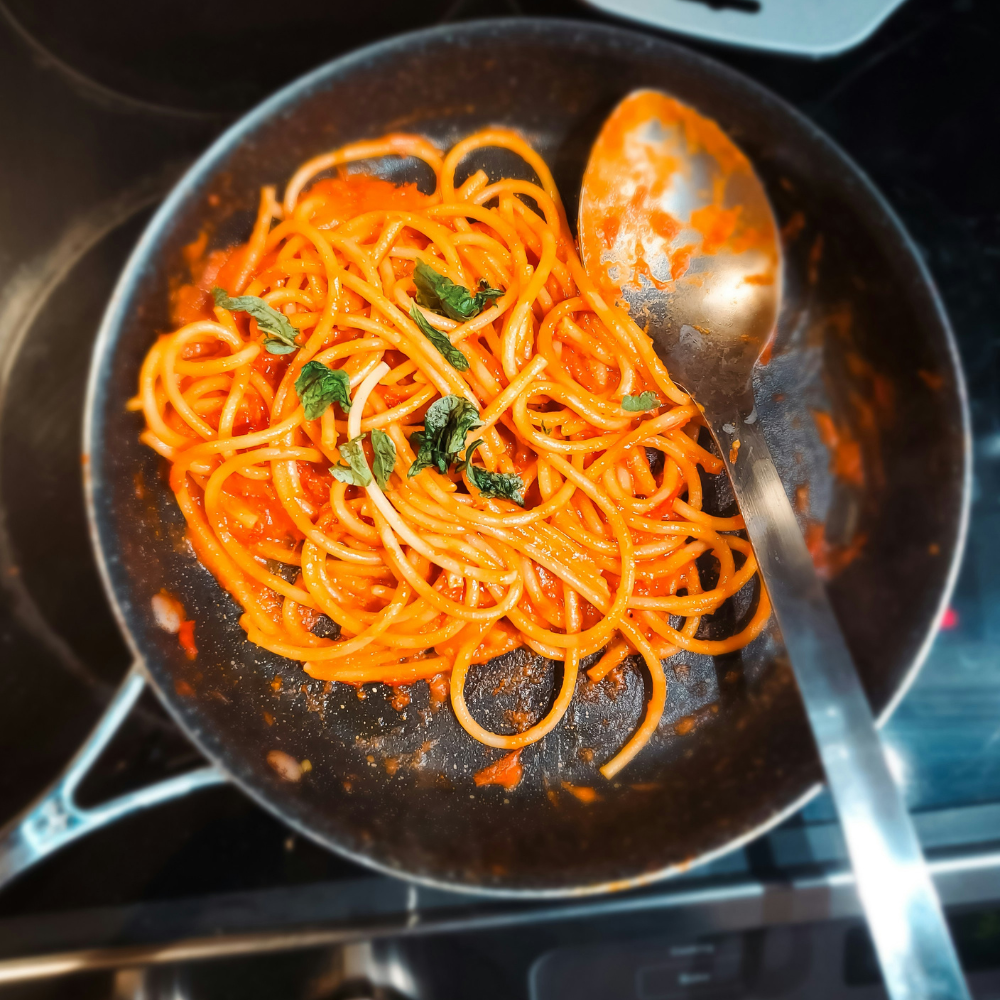
Spaghetti, rigatoni, or penne for pasta al pomodoro
Homemade pizza
Chicken or eggplant parmesan with parmesan cheese
Gnocchi
Crusty bread for dipping
It’s the kind of sauce that works just as well for a quiet weeknight dinner as it does for entertaining.
Storage & Make-Ahead Tips
Refrigerator: Store up to 5 days in an airtight container
Freezer: Freeze for up to 3 months in portioned containers
Like many tomato sauces, pomodoro tastes even better the next day.
Frequently Asked Questions
-
Yes. Pomodoro sauce is rich in antioxidants, made with heart-healthy olive oil, and naturally low in calories.
-
You can, but for traditional pomodoro sauce, simplicity is the key. I really recommend trying first with just tomatoes, garlic, oil, and basil. Even onions can slightly change the flavor of an authentic pomodoro sauce.
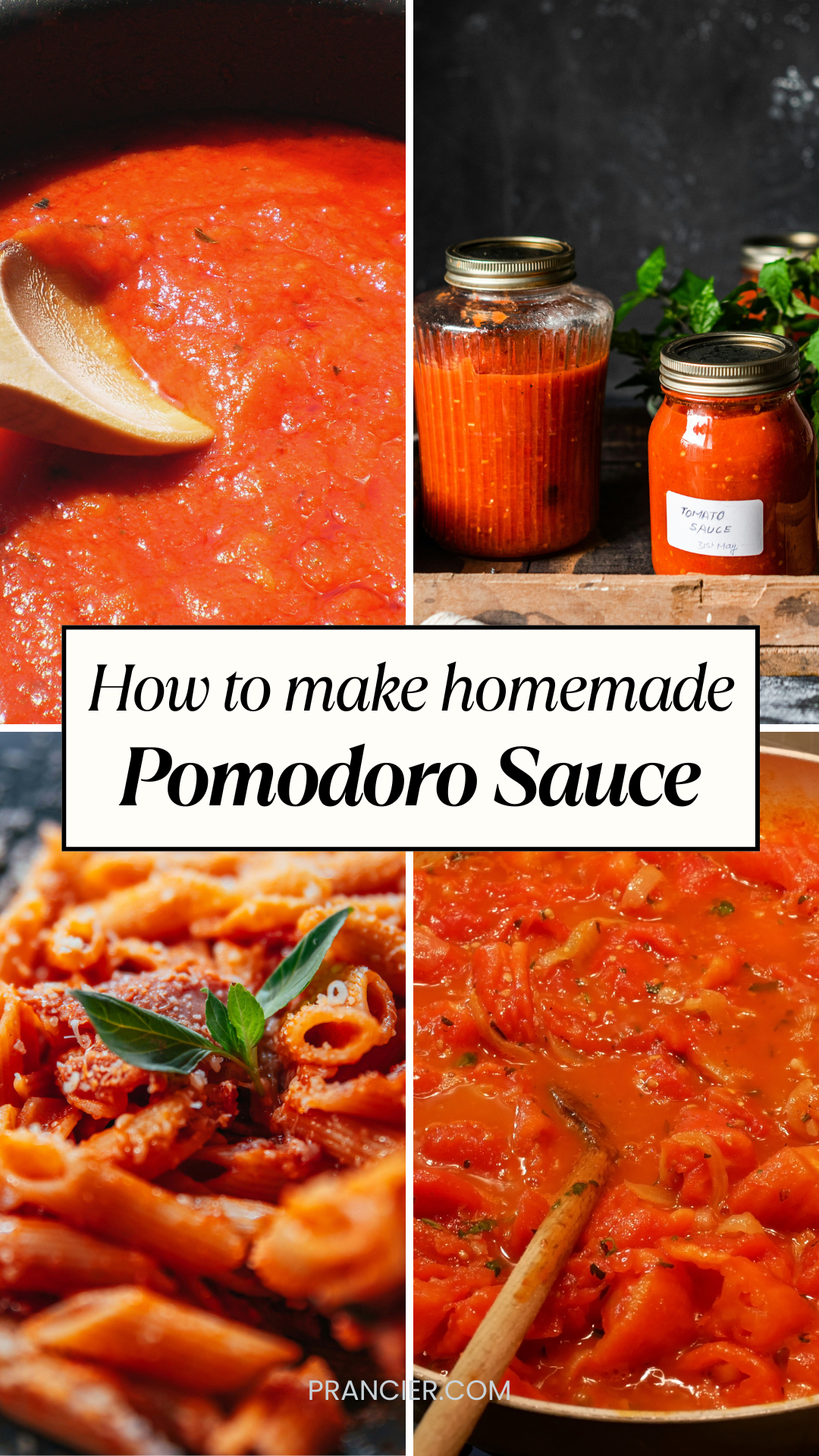
We hope you enjoyed this classic pomodoro sauce recipe as much as we do. If you make it, we’d love to hear how you served it or any personal twists you added. Share your thoughts in the comments below.
For more timeless, feel-good recipes and simple food made with intention, explore our Wellness section. You’ll find everything from carrot ginger soup to delicious Italian soups that bring comfort to everyday cooking.
If you loved this pomodoro sauce, save or pin the recipe for later. And to stay inspired, subscribe below for new recipes, kitchen tips, and lifestyle ideas delivered straight to your inbox.
Besitos from the kitchen,
Laura





Easy flavored iced coffee recipes to make at home, including honey cinnamon latte, vanilla oat milk latte, Vietnamese iced coffee, matcha espresso, and dirty horchata.