
How to Make Ginger Tea | Fresh Ginger Tea Recipes
Now that winter is in full swing, I find myself drinking fresh ginger tea almost every day. Learning how to make ginger tea is one of the simplest and most comforting recipes you can learn, and it’s surprisingly versatile enough to enjoy year-round.
You can enjoy the same recipe warm or poured over ice, depending on the season.
Fresh ginger tea is made by steeping or simmering fresh ginger root in hot water. Unlike teas made from dried leaves, it gets its flavor and benefits straight from the ginger root.
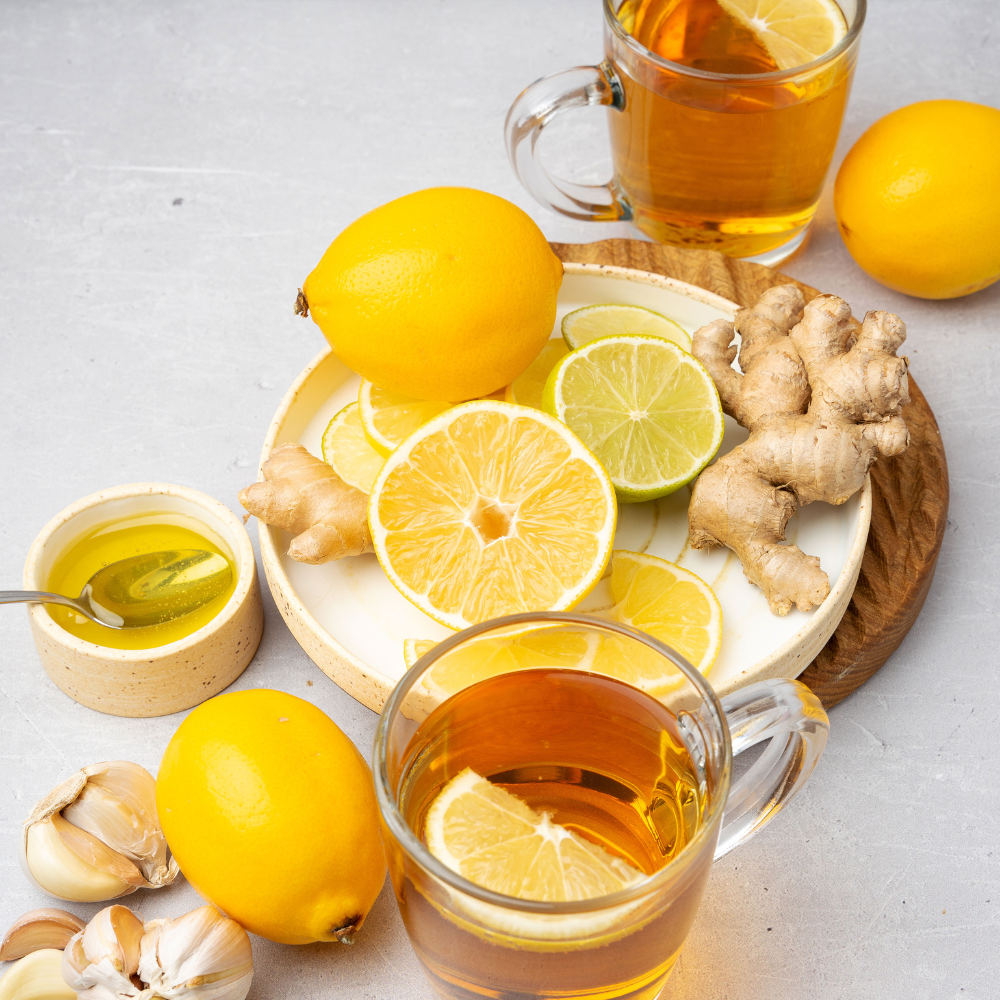
Over the years, I’ve made ginger tea in many ways: strong with a pinch of black pepper for extra warmth, lightly sweetened with honey for gentle evening sipping, infused with lemon and a touch of cayenne when I was under the weather, or poured over ice with fresh mint leaves during the summer months.
Fresh ginger tea tastes warm and slightly spicy, with subtle citrus notes. You can brew it mild or bold, and add lemon, honey, cinnamon, or other fruits and spices.
So, what better recipe to share than fresh ginger tea? In this guide, I’ll show you exactly how to make fresh ginger tea, with tips for adjusting the strength, selecting natural sweeteners, and experimenting with seasonal ingredients.
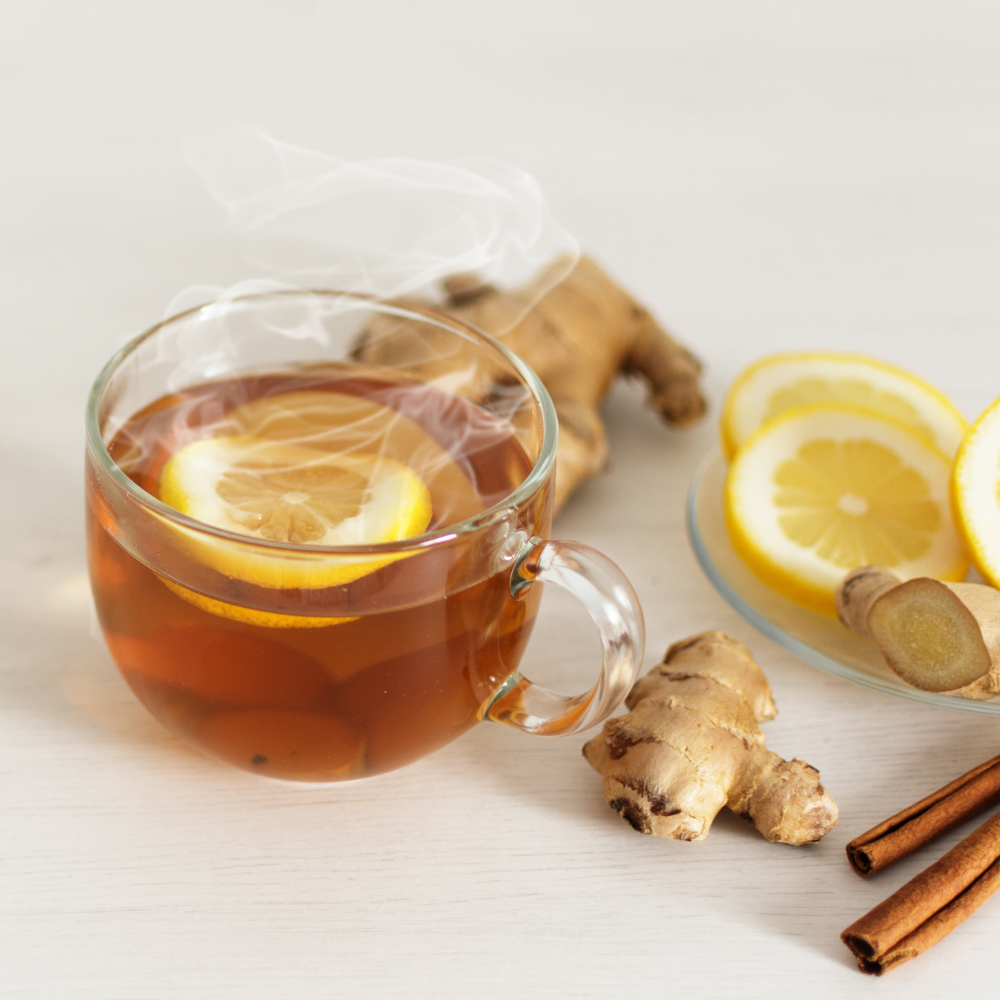
Ingredients for Fresh Ginger Tea Recipe
Ginger: You can slice, grate, or chop the raw ginger. We chop it into chunks and lightly smash it to bring out the oils and make a stronger, spicier tea.
Honey: I like to use raw honey as a sweetener. It adds gentle sweetness and pairs well with ginger’s spice. Add honey after brewing so you can taste and adjust the sweetness to your preference.
Lemon: Adding a squeeze of fresh lemon juice brightens the tea's flavor.
How to Make Ginger Tea
Always try to buy organic ginger roots at the store. You don’t want any synthetic pesticides in your tea.
Preparing the Fresh Ginger Root Tea
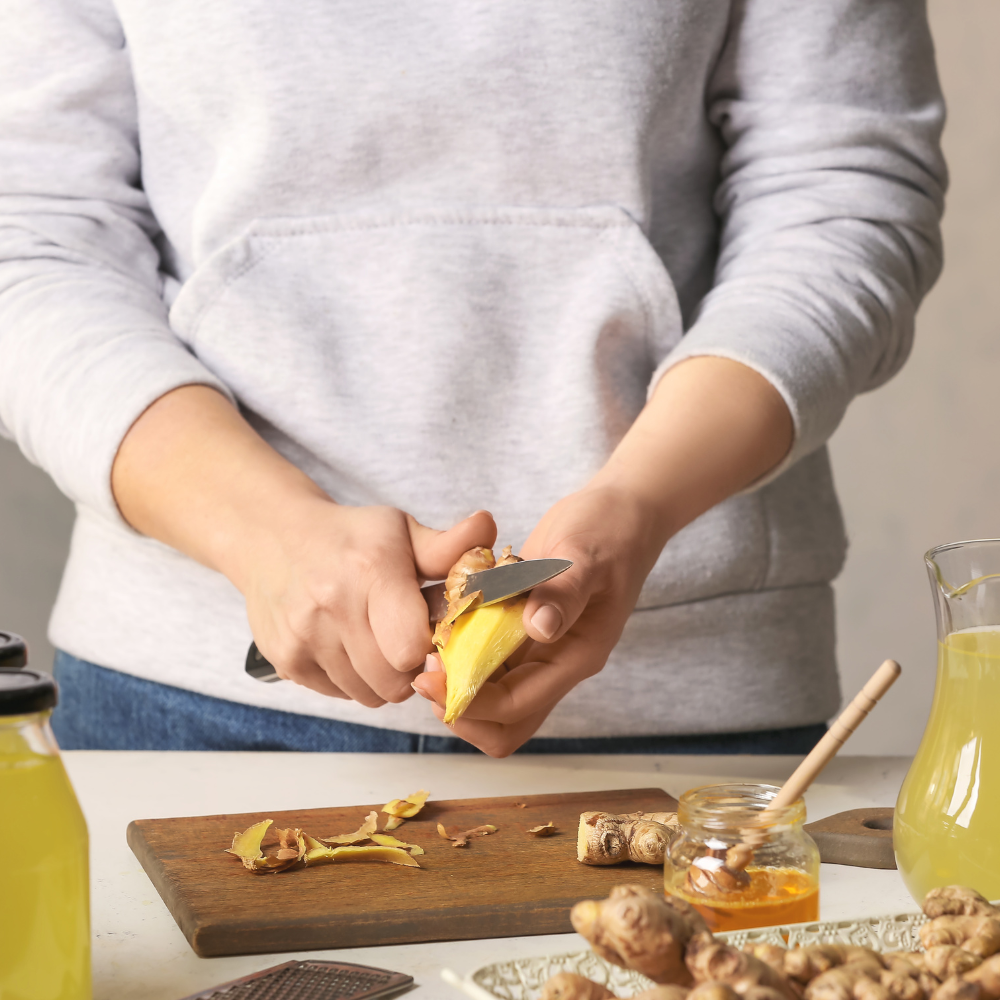
Start with a firm, fresh ginger root that has smooth skin and a strong aroma. Rinse it well under running water, or soak it in water with baking soda for a few minutes to remove any dirt or residue, since ginger often has soil in its crevices.
You don’t have to peel ginger because the skin is thin and edible, but peeling can give your tea a cleaner taste. If you peel it, use a vegetable peeler to remove the skin gently without wasting any of the root.
A good rule is to use 1 to 2 inches of fresh ginger for every 2 cups of water, though you can adjust this to your taste.
Brewing Fresh Ginger Tea on the Stove
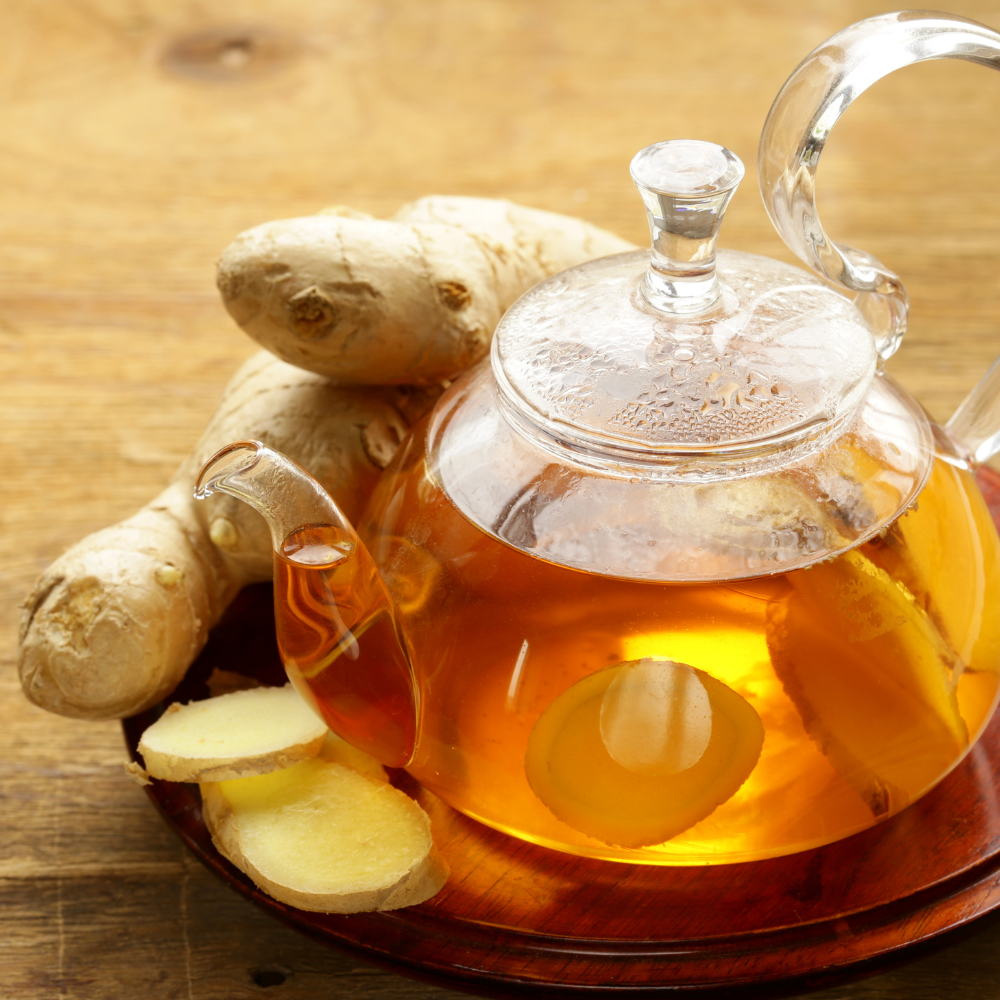
Pour 2 cups of water into a small saucepan and bring it to a boil. Once the water is boiling, add the ginger.
Lower the heat and let the ginger simmer gently. A slow simmer helps bring out the flavor without making the tea too harsh or bitter.
Simmer for 5 to 7 minutes for a mild tea, 10 to 15 minutes for a classic taste, or up to 20 minutes for a strong, warming cup. Add freshly squeezed lemon juice and honey or any other sweetener to taste.
Serve
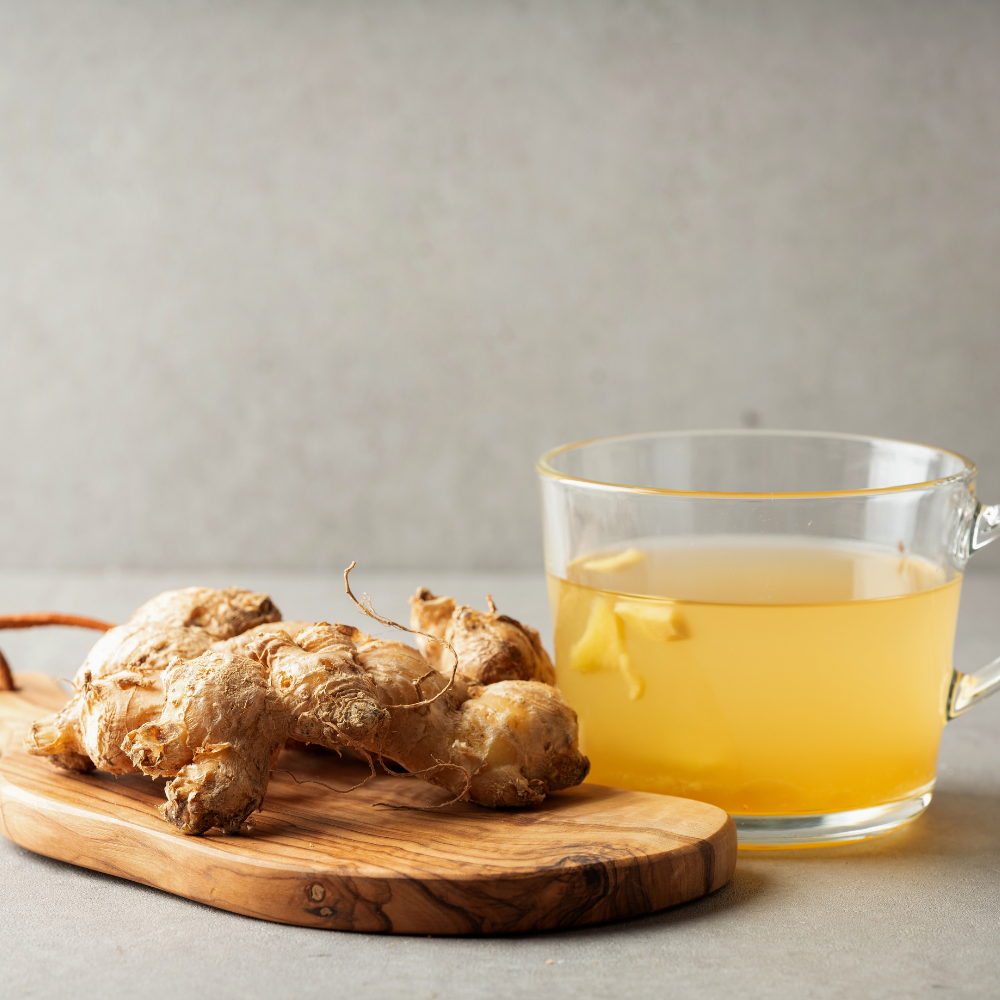
When simmering is complete, remove the saucepan from the heat and serve. You can strain the tea into a mug or leave the ginger pieces in.
Tips for Making Fresh Ginger Tea
Make it ahead - Fresh ginger tea can be brewed in advance and stored in a sealed glass jar in the refrigerator for up to 3 days. Reheat gently on the stove to preserve flavor, or enjoy chilled over ice for a refreshing twist.
Customize the strength - One of the best things about ginger tea is that you control how strong or mild it is. The intensity depends on how much ginger you use, how it’s prepared, and how long it simmers.
Like it strong? - Use more ginger and break it down well before brewing. Grating or smashing releases more oils for a bolder, spicier flavor. Simmer for up to 20 minutes for a warming tea that’s perfect for cold days.
Prefer it mild? - Use fewer, thicker slices of ginger to limit the intensity. Simmer for about 5 minutes for a smooth, gentle tea that’s easy to drink, especially in the evening or for sensitive stomachs.
Fresh Ginger Tea Recipe Variations
Fresh Ginger Turmeric Tea
Ginger turmeric tea is another great combination. Simmer fresh ginger and turmeric root together. Turmeric adds a bright, earthy flavor that complements ginger’s natural spice.
Slice, lightly smash, or grate 1 to 2 inches of fresh ginger and ½ to 1 inch of fresh turmeric root. Simmer them in water for 10 to 15 minutes. Strain and enjoy. Add honey and a squeeze of fresh lemon juice for extra flavor.
Ginger and Cinnamon Tea
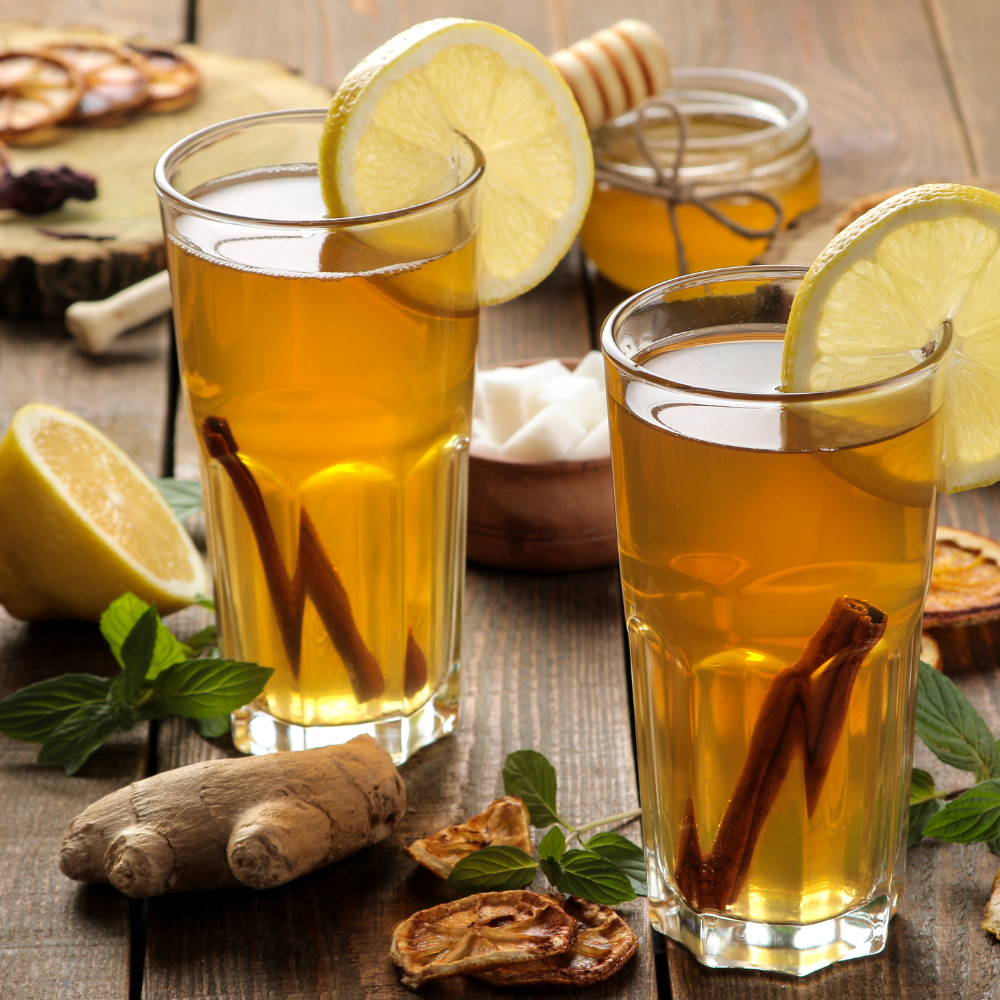
This is one of my favorite fresh ginger tea recipes. Red apples bring natural sweetness, while cinnamon adds warmth without overpowering the flavor. Alternatively, you can use green apples for a crisper, tarter taste.
Simmer sliced fresh ginger, thinly sliced apples, and a cinnamon stick in water for 15-20 minutes. Strain and serve warm.
Lemongrass Ginger Tea
Lemongrass ginger tea is light, aromatic, and calming. Fresh lemongrass adds a soft citrus flavor that balances ginger’s spice.
Lightly crush a stalk of fresh lemongrass to release its oils. Slice fresh ginger and simmer it with the lemongrass stalk for 10-15 minutes. Strain and enjoy your cup of fresh ginger tea with lemongrass.
Fresh Ginger Mint Leaves Tea
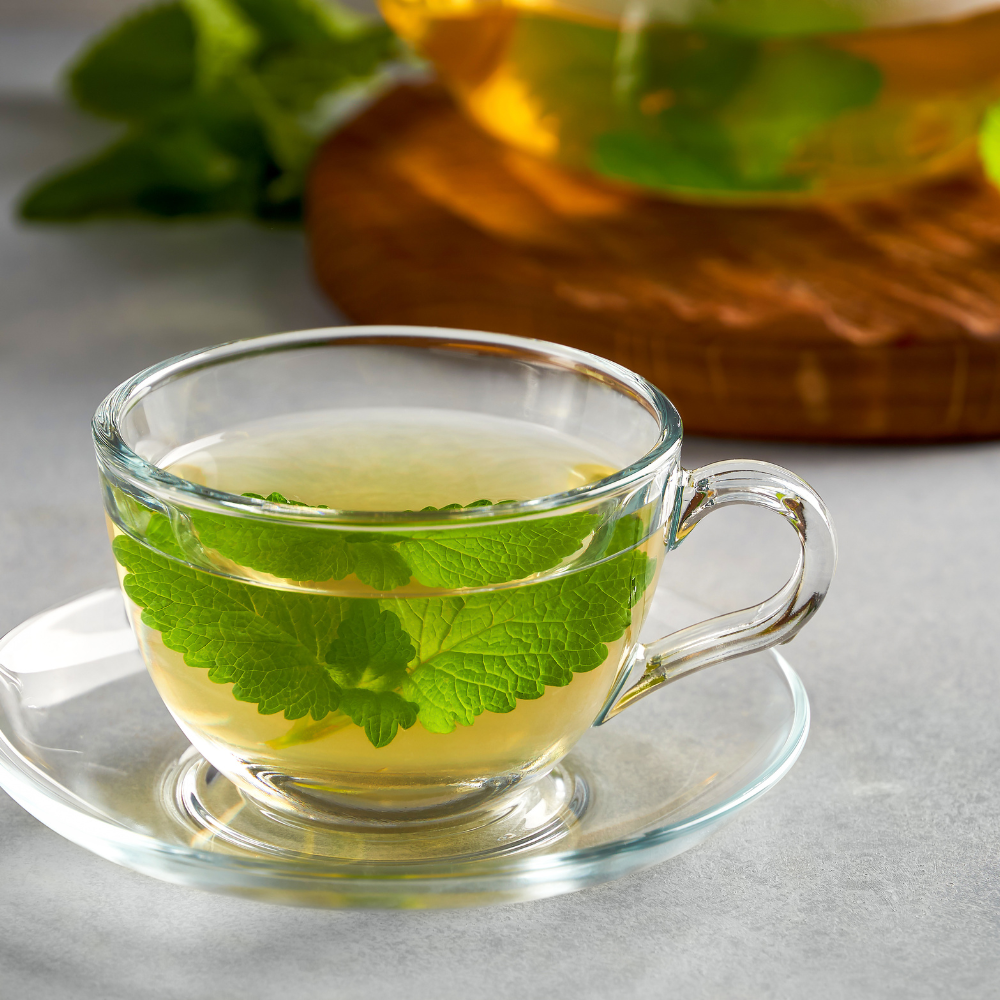
Ginger mint tea is refreshing and helps with digestion. Mint cools your palate while ginger adds warmth. If you’re looking for a refreshing mint tea recipes, we have a complete guide in our wellness section.
Prepare ginger tea as usual. In the last 2-3 minutes of simmering, add a handful of lightly crushed fresh mint leaves. Strain and enjoy warm or over ice for a refreshing cold version.
Health Benefits of Ginger Tea
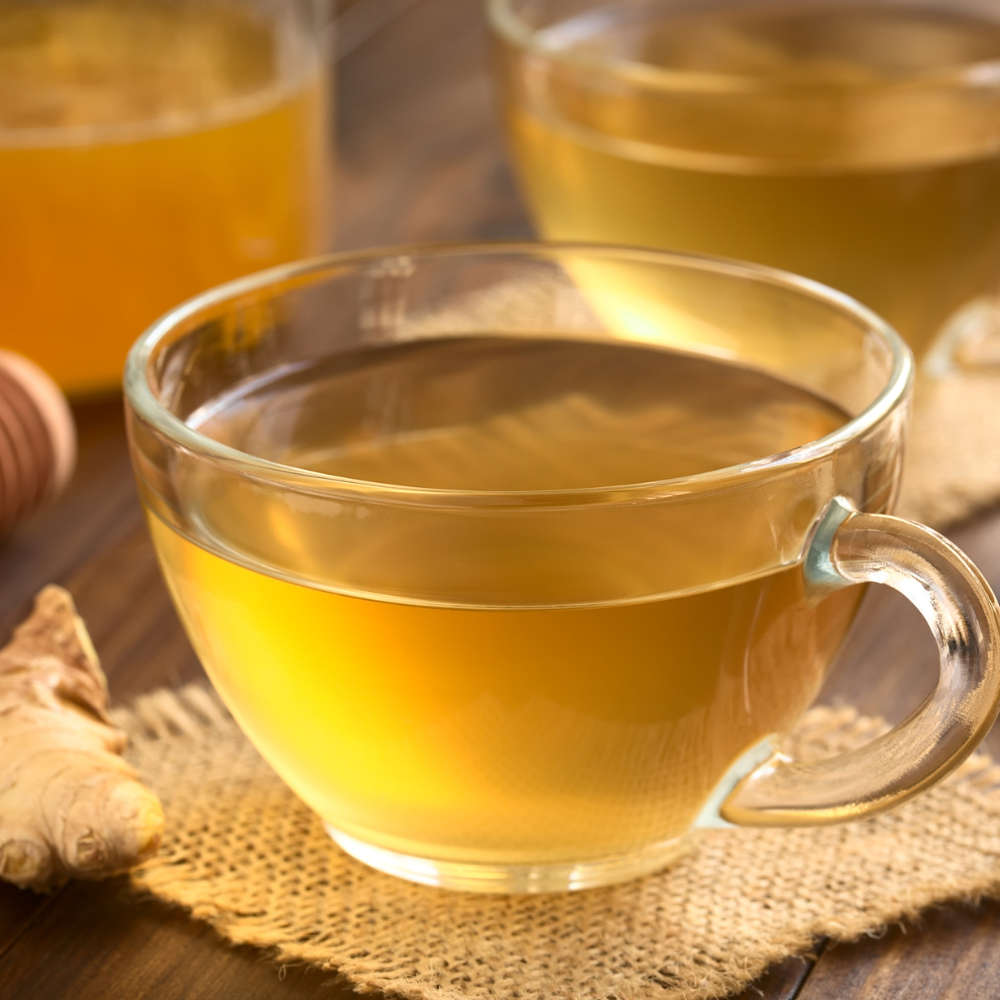
Fresh ginger tea is often used to support the immune system, especially during cold winter months when sore throats and seasonal bugs are common. Ginger’s natural warming properties can help soothe the throat and make you feel more comfortable.
Ginger has also long been used to aid digestion, ease bloating and calm upset stomachs. Drinking ginger tea in the morning or before meals can help wake up the digestive system.
Ginger can calm morning sickness and it is known for its anti-inflammatory properties, which is why it’s one of my go-to teas during periods of stress, travel, or busy schedules. One of my favorite benefits is how energizing fresh ginger tea feels, without the caffeine crash.
Fresh Ginger Root Tea vs Ginger Tea Bags
Ginger tea bags are handy, but fresh ginger tea tastes better and may offer more health benefits. When you use fresh ginger root, you’ll notice a brighter, more aromatic tea with deeper, spicier warmth than most tea bags.
Making ginger tea with fresh ginger lets you control the strength and flavor. Whether you want comfort, help with digestion, or daily wellness, you can adjust every cup to your liking.

Fresh Ginger Tea
Learn how to make fresh ginger tea at home with simple ingredients and easy steps. This cozy ginger tea recipe uses fresh ginger root and can be customized with natural sweeteners, citrus, or herbs.
Ingredients
- 1-2 inches fresh ginger root
- 2 cups water
- Honey
- Optional: fresh lemon juice
Instructions
- Wash the fresh ginger and slice, grate, or lightly smash it (no need to peel).
- Add the ginger and water to a small saucepan.
- Bring to a gentle boil, then reduce to a simmer.
- Simmer for 15 minutes.
- Strain into a mug and add lemon, honey, or spices if desired.
Notes
- For iced ginger tea, let it cool, then pour over ice.
- Store brewed tea in the refrigerator for up to 3 days and reheat gently.
Nutrition Facts
Calories
33Fat
0 gSat. Fat
0 gCarbs
9 gFiber
0 gNet carbs
8 gSugar
6 gProtein
0 gSodium
25 mgCholesterol
0 mgNutrition information is automatically calculated and should be used as an estimate. Use your own calculations when needed.
Learn with our DIY herbal tea recipes and tea blends how to make a cozy cup of homemade tea.
Join our list of friends and family to be the first to hear about new articles and blog posts.
If you enjoyed this recipe, don’t forget to pin it and save it for later.
Besitos from the kitchen,
Laura
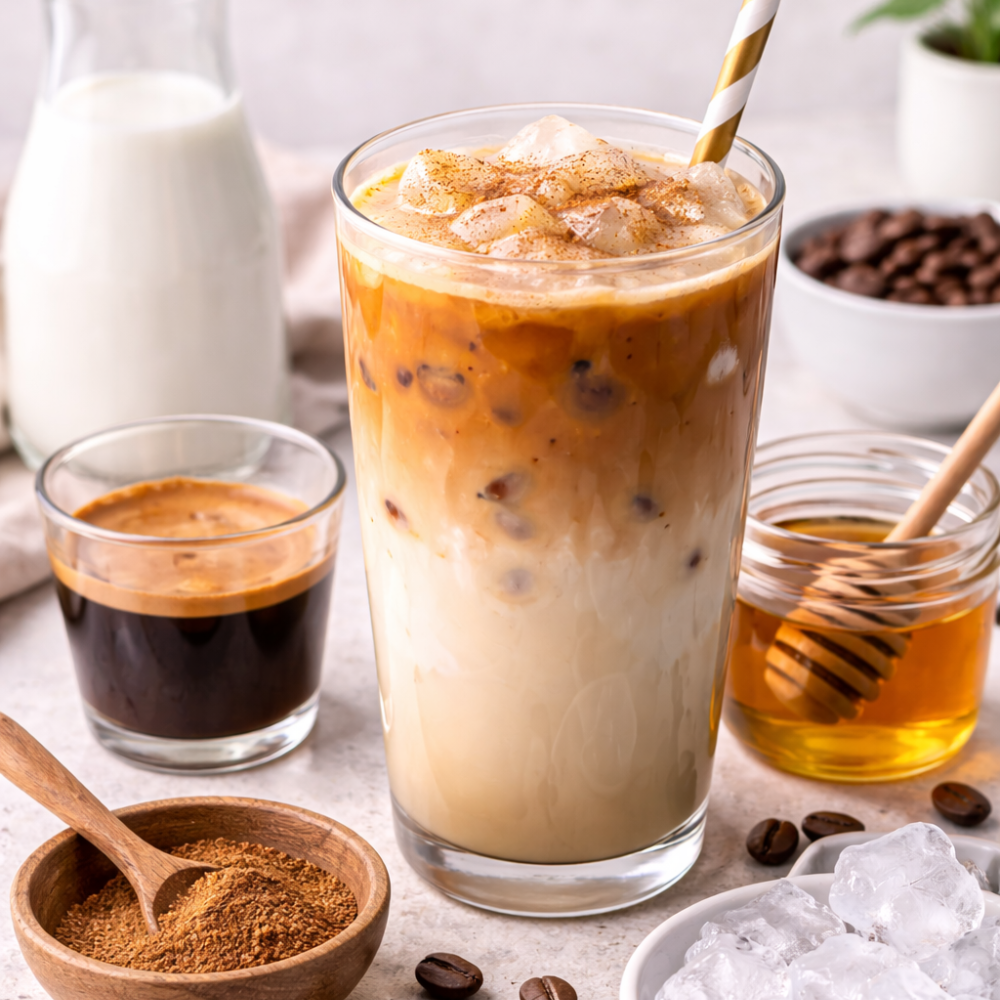

Easy flavored iced coffee recipes to make at home, including honey cinnamon latte, vanilla oat milk latte, Vietnamese iced coffee, matcha espresso, and dirty horchata.