
Clove Water: Recipe, Benefits & How to Make it
I’ve been drinking clove water on and off since I was a teenager, especially during the colder winter months. It was a familiar staple in my grandma’s kitchen, and in the kitchens of her friends, where simple, warming infusions were part of everyday Caribbean life. Long before wellness guides or infused water recipes filled social media, we already brewed clove water at home for comfort, digestion, and immune support.
One of the things I love most about this clove water recipe is how incredibly simple it is to make. My mom and grandpa both preferred their infused water very strong, letting it infuse until the flavor was bold and spicy. I, on the other hand, tend to make a milder infusion, lightly simmered and easier to sip throughout the day.
In this guide, I’ll share different ways to prepare clove water, from gentle daily infusions to stronger versions traditionally used in the Caribbean. I’ll also cover the potential benefits of clove water, how and when to drink it, and how it compares to clove tea recipes you may already be familiar with. Whether you’re new to clove water or grew up with it as I did, this is everything you need to know.
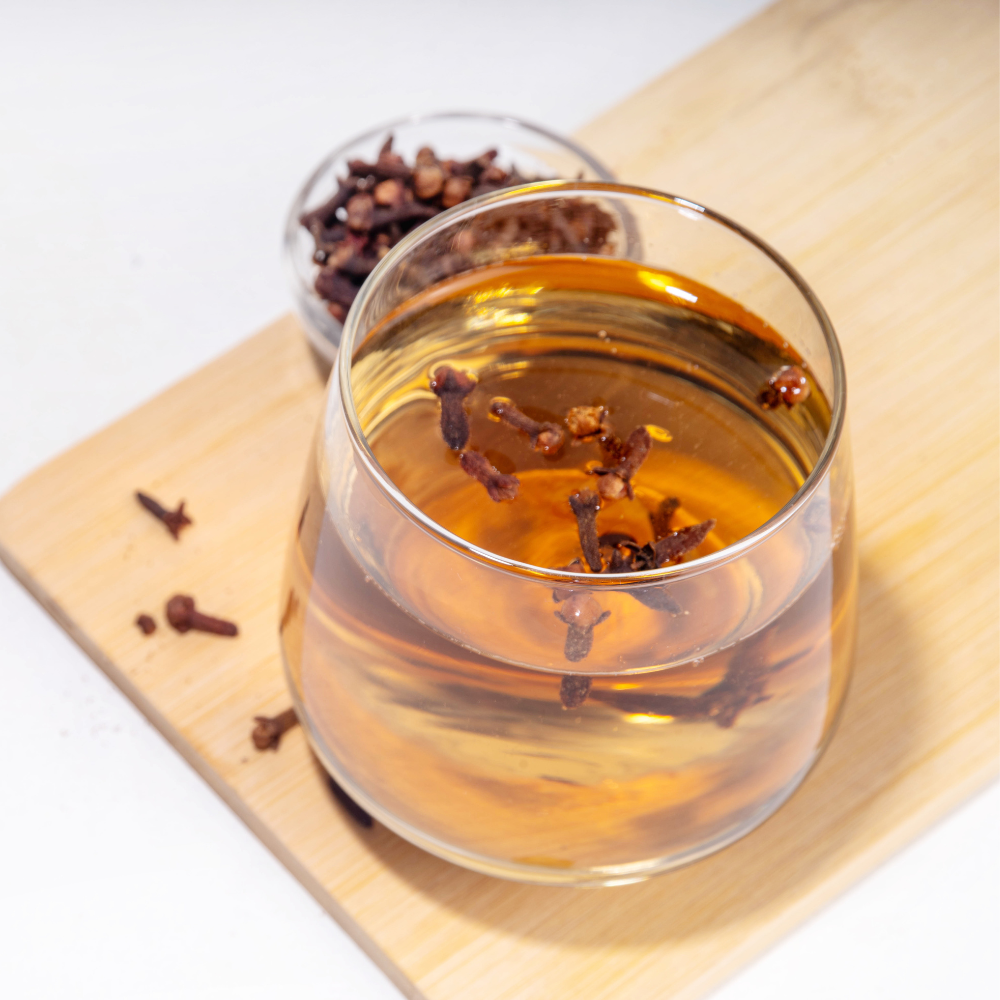
What Are Clove Water Benefits?
Clove water is a simple, traditional infusion that’s been used for generations. Made by infusing whole cloves, it contains antioxidants and plant compounds that may help with digestion, immunity, blood clotting, and everyday inflammation. This clove water recipe can be prepared at home in just a few minutes.
Cloves contain eugenol, a naturally occurring compound with anti-inflammatory and antimicrobial properties. Many people drink clove tea or water when their bodies feel run-down, sore, or in need of extra support.
Cloves have also been used for oral health. Cloves contain powerful antioxidants that help protect the body’s cells from oxidative stress. When consumed regularly, it may support the immune system and the body’s natural defenses.
By helping reduce inflammation and oxidative stress, clove water may also support clearer, healthier-looking skin and a healthier mind over time.
It is also often associated with healthy blood sugar levels, liver support, and heart health. While clove water isn’t a detox cure-all, it may support the body’s natural cleansing processes, freshen breath, and help with overall health and wellness.
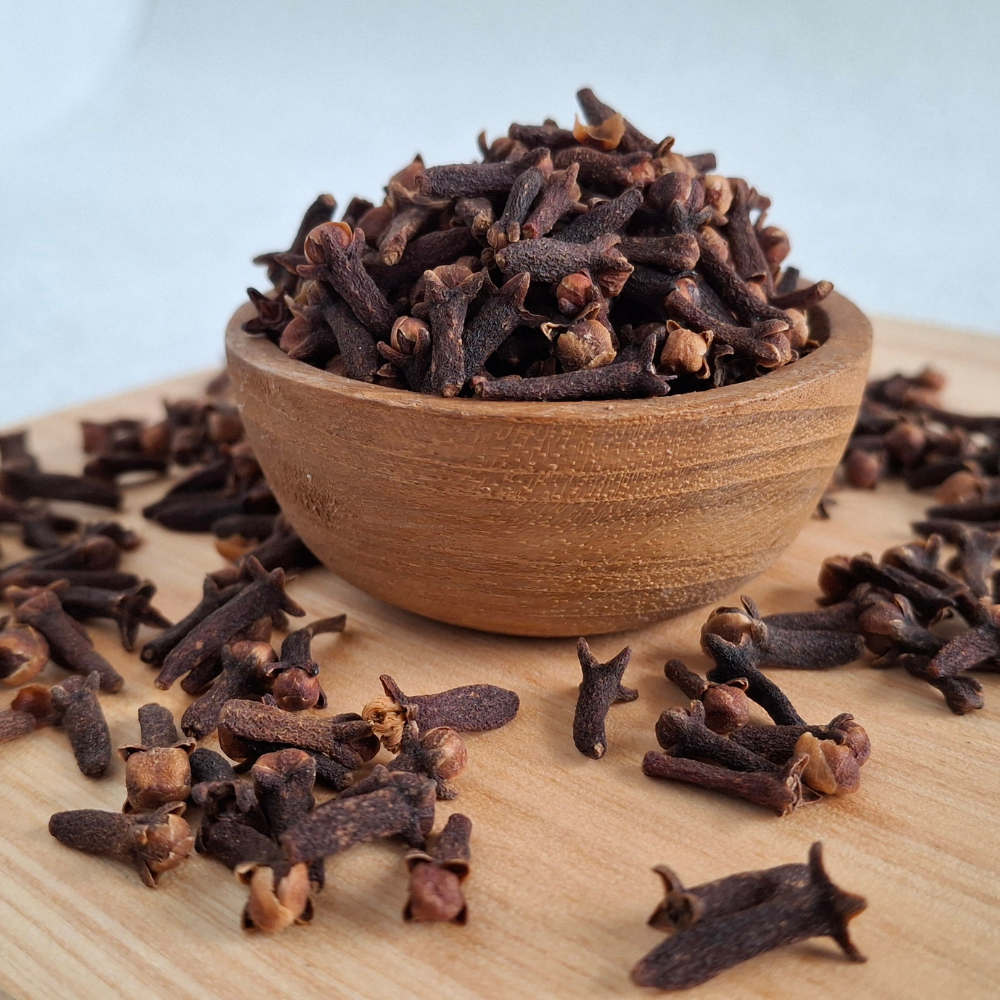
What You’ll Need to Make Clove Water
To make clove water at home, you only need two simple ingredients.
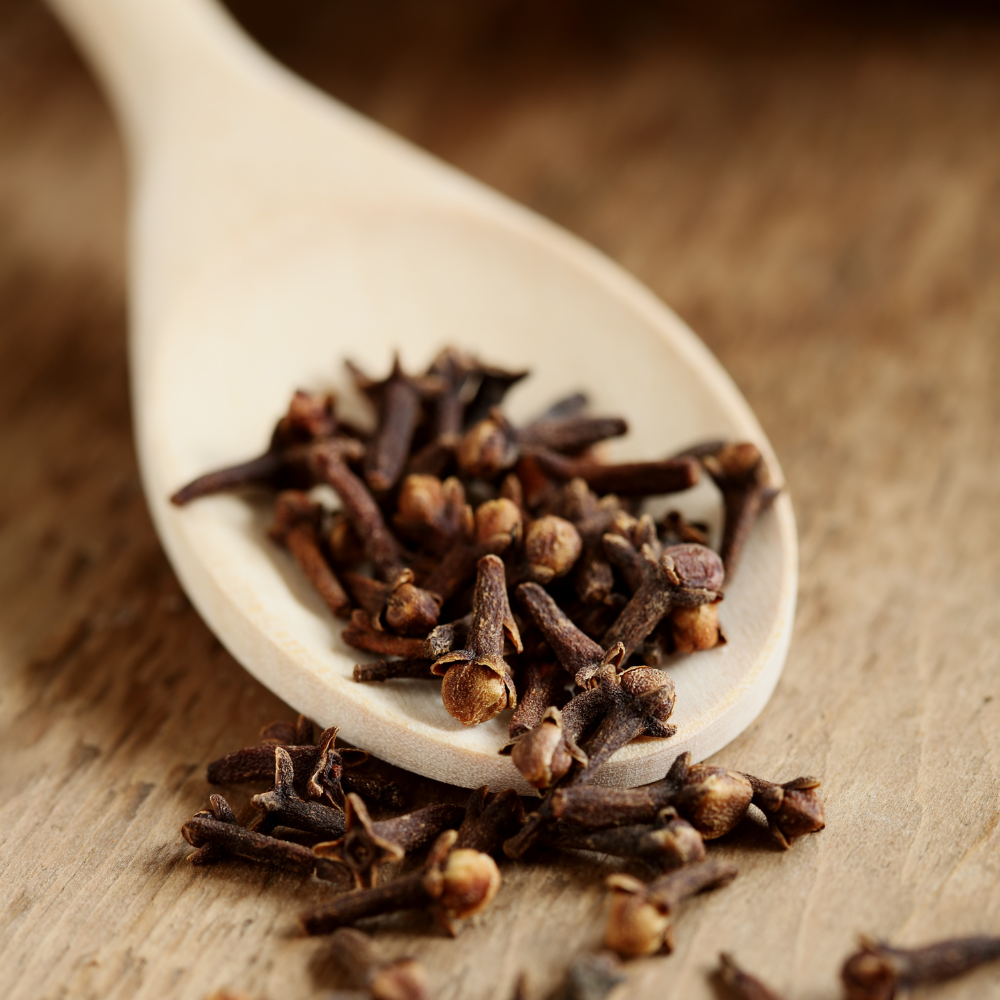
Whole cloves are best for clove water. Look for cloves that are dark brown, plump, and strongly aromatic. Fresh cloves release their natural oils slowly into the water, creating a more balanced infusion. Ground cloves are not recommended for clove water, as they can make the drink gritty and overpowering.
Water. One cup of water creates a concentrated serving, while using more water results in a lighter infusion. Spring water is ideal, as it allows the warm, spicy notes of the cloves to come through more clearly.
Substitutions and Variations
These clove water variations are simple but offer slightly different flavor profiles and health benefits. I like to think of them more as teas, since several ingredients are involved, and you can easily swap them to suit your taste.
Garlic and Clove Tea Recipe (with Optional Ginger and Turmeric)
Adding garlic turns clove water into a stronger, more traditional tea. Garlic has long been used in home remedies for its natural antimicrobial properties and is commonly associated with immune support. When combined with cloves, this tea becomes bold, savory, and deeply warming.
For extra warmth, add fresh ginger and turmeric. Ginger is traditionally used to promote digestive health and circulation, and it adds a gentle heat to the tea. Turmeric is known for its antioxidant and anti-inflammatory properties and is often used to support the body’s natural inflammatory response.
This clove, garlic, ginger, and turmeric tea is typically sipped warm, in smaller amounts, due to its strength. It’s especially popular during colder months.
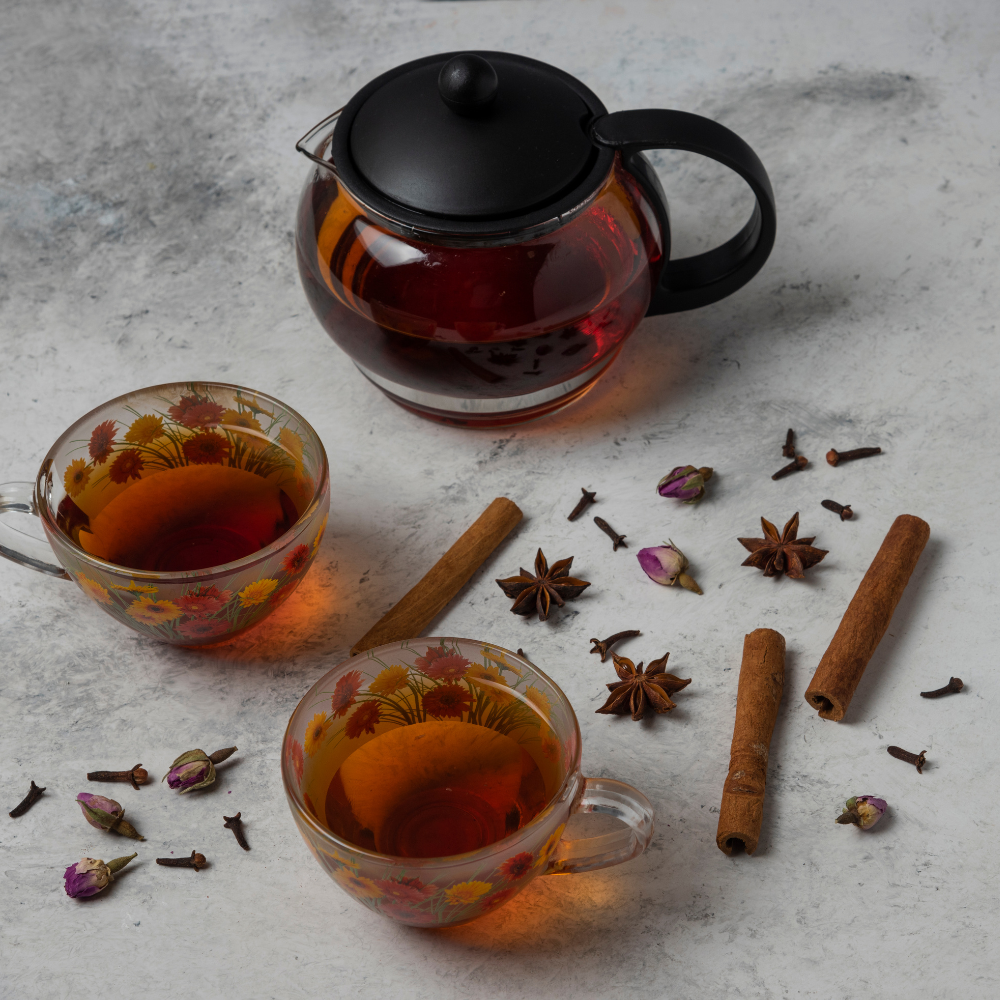
Anise and Clove Tea
Adding star anise creates a more aromatic and lightly sweet tea. In the Caribbean, we have been using Anise to promote digestive, blood, and skin health.
This variation is milder than garlic-based clove teas and is a great option if you prefer something gentler. Clove and anise tea works well in the evening or after meals when you want a warming drink without heaviness.
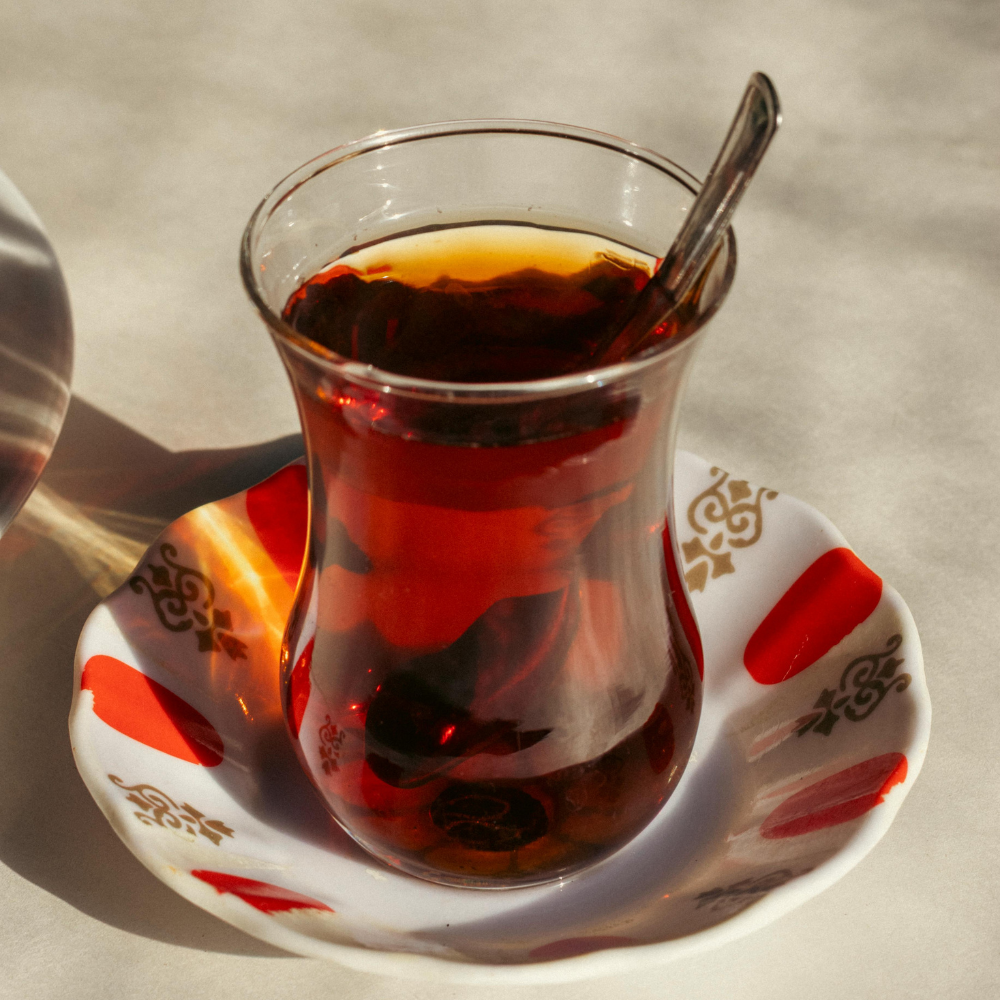
How to Make Clove Water
There are two easy ways to make clove water at home. Both methods work well; the choice depends on how much time you have and how strong you want the flavor to be.
Method 1: Overnight Clove Water (Room Temperature Infusion)
This method creates a lighter, milder clove water and requires no heat.
Add whole cloves to a cup of room-temperature or cool water.
Cover and let the cloves soak overnight, or for at least 8 hours.
Strain out the cloves before drinking.
Method 2: Warm Brewed Clove Water
This method produces slightly stronger, more aromatic clove water in less time.
Bring water to a gentle boil.
Add whole cloves, then remove from heat.
Cover and let the mixture steep for at least 30 minutes.
Strain before drinking.
How to Store Clove Water
You can store clove water in a regular glass, jar, or bottle if you plan to drink it the same day. Simply cover it with a lid or plate and keep it at room temperature for short periods, or refrigerate it if you prefer it chilled.
A tea steeping pot or glass teapot works great, especially if you’re making a slightly larger batch. This is the one we use. These containers allow the cloves to continue infusing gently while keeping the water easy to strain when you’re ready to drink it.
Recipe Tips for Clove Water
Use only whole cloves for traditional clove water. Keeping the recipe simple allows the natural properties of cloves to shine without interference from added ingredients. Sweeteners, citrus, or spices are best reserved for clove tea recipes rather than clove water.
Adjust the strength to your taste. Using more cloves creates a stronger, bolder infusion, while fewer cloves result in a milder clove water that’s easier to sip throughout the day. Some people use a full tablespoon of cloves per glass, but we recommend starting light and increasing gradually until you find your preferred balance. Clove water can also be used as a base for other herbal tea blends and infused teas.
Cover the water while steeping. Whether you’re using the overnight method or the warm brew, covering the container helps preserve aroma and prevents the natural oils from evaporating.
Room temperature works best. Many people find clove water easier to drink when it’s warm, but my grandma always said you should let it sit until it reaches room temperature before drinking.
Frequently Asked Questions
-
Many people choose to drink clove water daily, a glass in the morning and sometimes one in the evening.
Clove water is generally safe to drink daily for most people, but anyone who is pregnant or nursing, or has pre-existing conditions, should consult a healthcare professional before adding it to their diet.
-
Clove water is best drunk in the morning on an empty stomach after steeping overnight. You can also drink a glass in the evening to relax. The best time ultimately depends on your personal routine and how your body responds.
-
For overnight clove water, cloves should soak for at least 8 hours. For brewed clove water, letting the cloves steep for 30 to 40 minutes allows enough time for flavor and aroma to develop without becoming overpowering.
-
Yes, clove water can be stored in a glass container or a tea steeping pot. If refrigerated, keep it covered to maintain its aroma.
-
Yes, clove water can be made in advance using either the overnight soak or the brewed method. In fact, many people prepare batches and allow the water to steep as they drink it over several days.
-
Cloves can sometimes be reused once, but the flavor will be much milder the second time. For the best aroma and taste, use fresh cloves for each batch.

Clove Water
This clove water recipe infuses whole cloves in cold or warm water for a simple herbal drink that supports digestion, immunity, and daily wellness.
Ingredients
- 5 cloves
- 1 cup of water
Instructions
- Bring water to a gentle boil.
- Add cloves, remove from heat, and cover.
- Let steep for 30-40 minutes.
- Allow to cool for later or strain and sip warm
- Place whole cloves in a cup or jar of room-temperature water.
- Cover and leave to soak for at least 8 hours or overnight.
- Strain cloves before drinking.
- Enjoy at room temperature.
Notes
- Use only whole cloves for traditional clove water.
- Adjust strength: more cloves = stronger flavor, fewer cloves = milder taste.
- Avoid adding sweeteners or citrus unless making a clove tea.
- Fresh cloves give the best aroma and potency.
Nutrition Facts
Calories
3Fat
0 gSat. Fat
0 gCarbs
1 gFiber
0 gNet carbs
0 gSugar
0 gProtein
0 gSodium
15 mgCholesterol
0 mgNutrition information is automatically calculated and should be used as an estimate. Use your own calculations when needed.

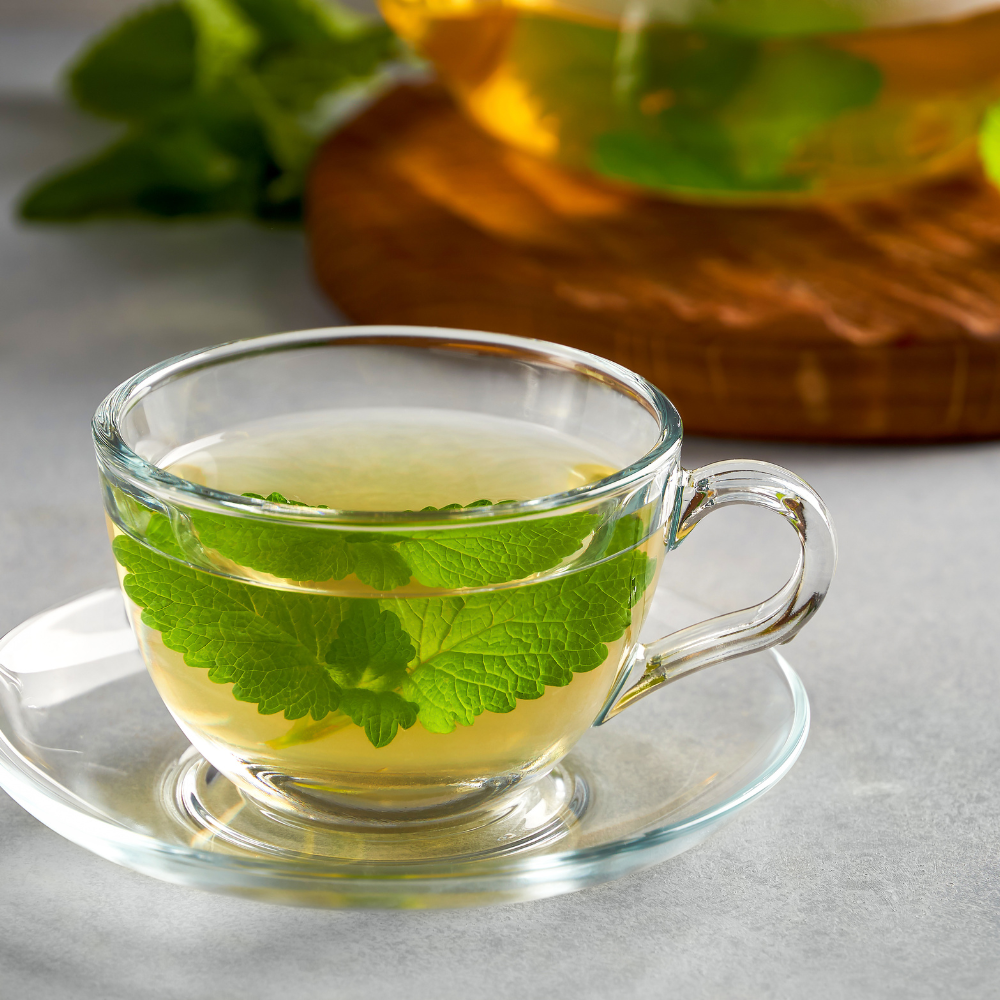
If you want to add clove to other recipes, check out our wellness section for inspiration. Cloves can be added to this mint tea or other warm beverages. When making clove water, it’s best to use whole cloves rather than concentrated extracts.
That said, clove essential oil can be used in small amounts in DIY beauty recipes, like hair masks or natural air fresheners, if used in moderation. Research shows that both clove essential oil and clove extract are rich in antioxidants and may help neutralize free radicals, supporting overall wellness.
If you enjoyed this tips and clove water recipe, don’t forget to pin it and save it for later.
Join our list of friends and family below to be the first to hear about new articles and blog posts.
Besitos from the kitchen,
Laura








Easy flavored iced coffee recipes to make at home, including honey cinnamon latte, vanilla oat milk latte, Vietnamese iced coffee, matcha espresso, and dirty horchata.